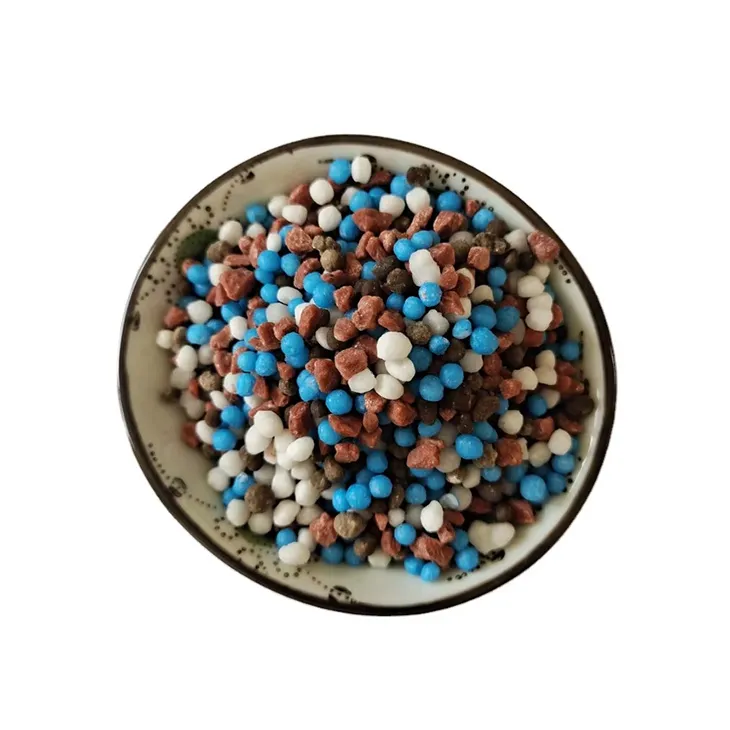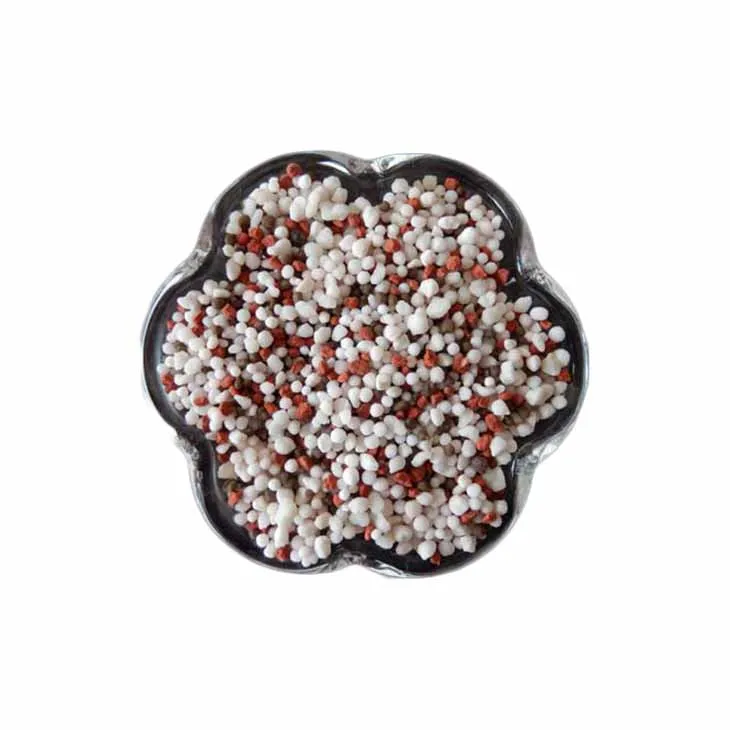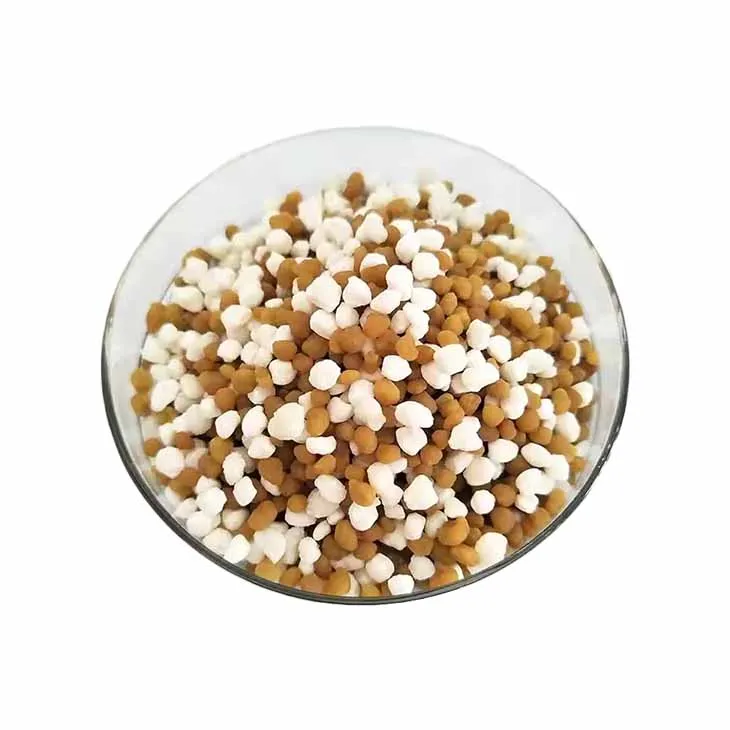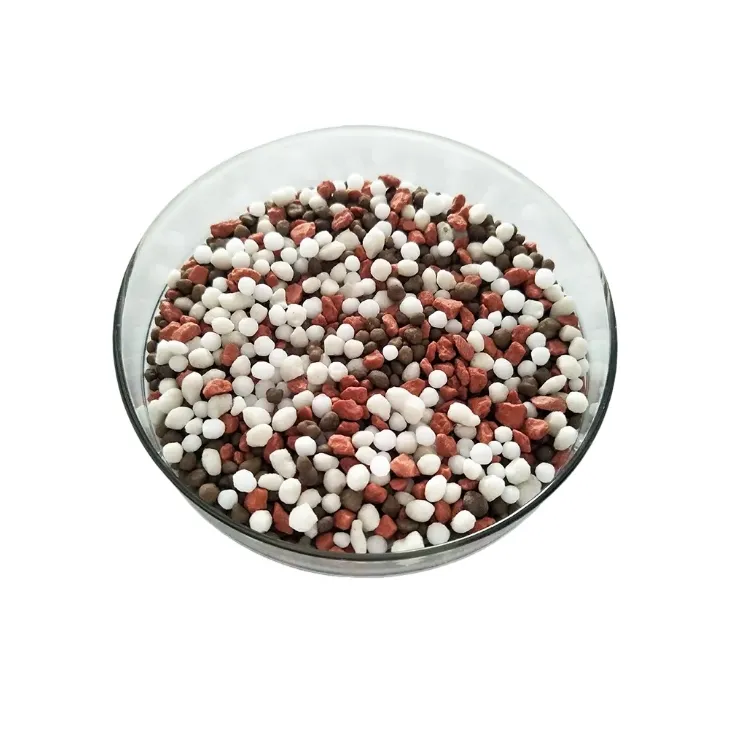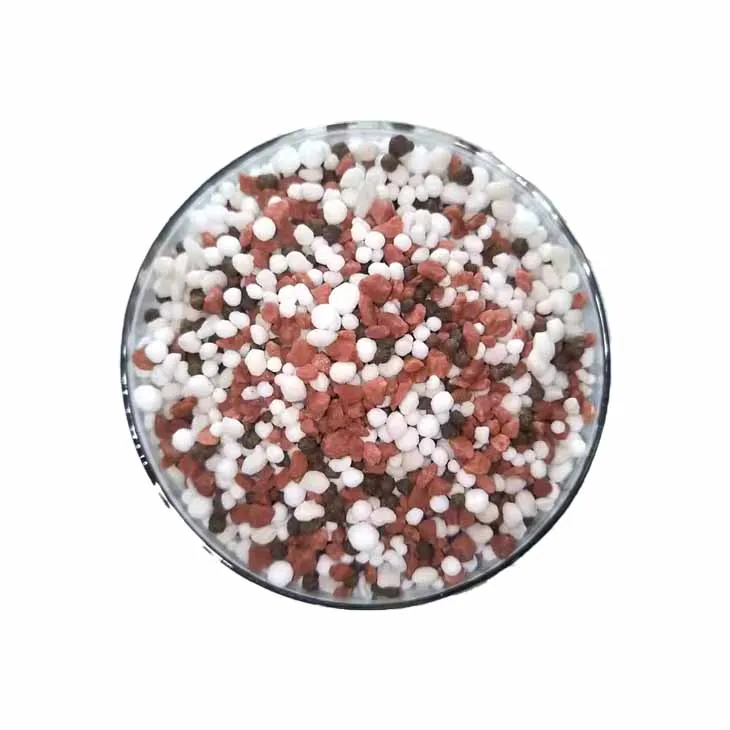

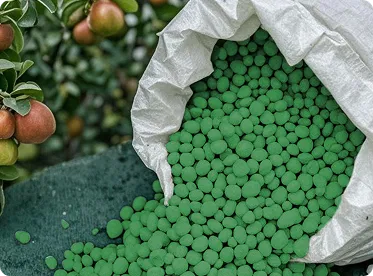

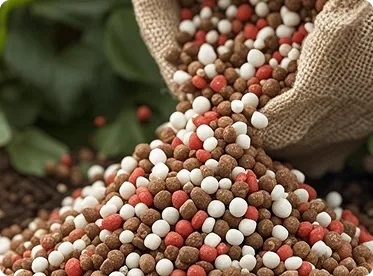
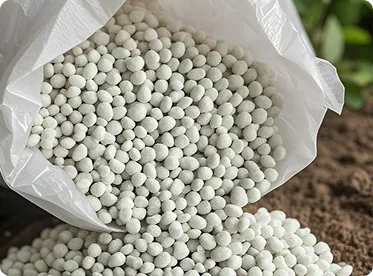
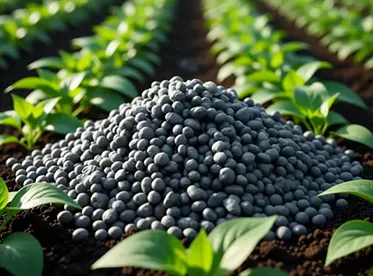
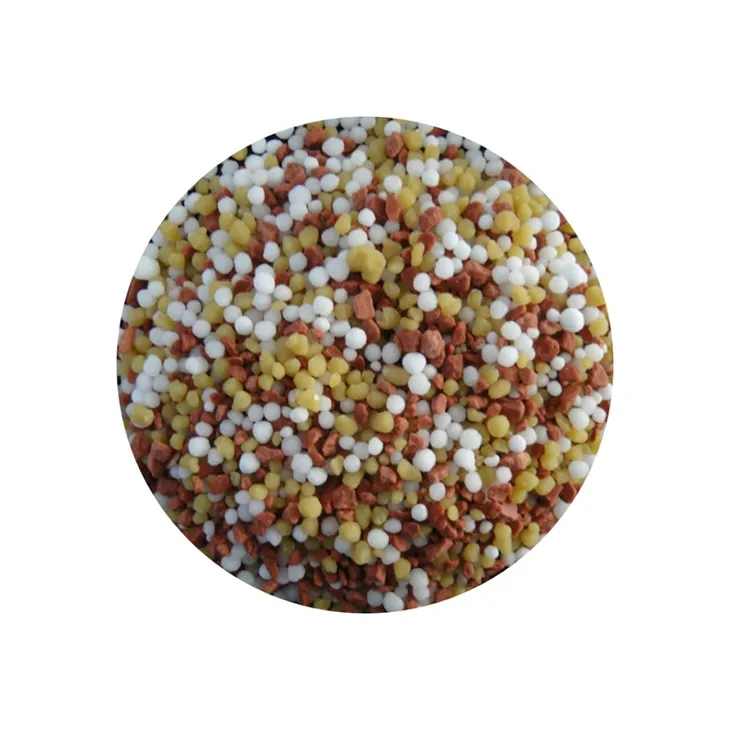
BB Fertilizer NPK 18-07-30
More
Avoid your inquiry is delay response, please enter your WhatsApp/Skype along with the message, so we can contact you at the very first time.
We will reply you within 24 hours. If for urgent case, please add WhatsApp/WeChat: ,. Or call directly.

When buyers search for NPK ratio, they are usually trying to understand what different numbers mean—and how to choose the right fertilizer formula for a specific market. This page explains NPK ratios from a professional, B2B perspective, focusing on how ratios are positioned, distributed, and customized across different regions, rather than how to apply fertilizer in the field.

The NPK ratio represents the proportion of Nitrogen (N), Phosphorus (P), and Potassium (K) in a fertilizer product. These three primary nutrients form the foundation of most compound and blended fertilizers used in global agriculture. From a manufacturing and distribution perspective, the ratio defines: nutrient balance level target crop category and growth stage positioning cost structure and raw material selection how the product is positioned in a distributor’s catalog Understanding NPK ratios helps buyers compare formulas, plan SKUs, and select products suitable for their target market.

Balanced Ratios (Equal N-P-K) Examples: NPK 10-10-10, 15-15-15, 19-19-19, 20-20-20 Balanced ratios are among the most commonly distributed formulas worldwide. They are often positioned as general-purpose fertilizers suitable for multiple crops and soil types. Distributors favor these ratios because they are easy to explain, stock, and promote across different regions.
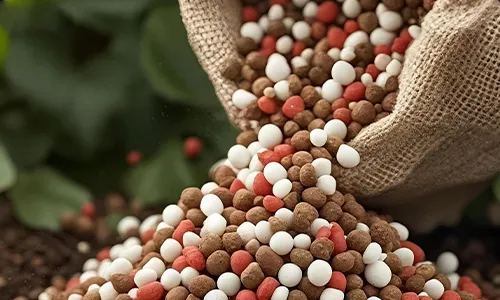
Examples: NPK 10-10-10, 15-15-15, 19-19-19, 20-20-20 Balanced ratios are among the most commonly distributed formulas worldwide. They are often positioned as general-purpose fertilizers suitable for multiple crops and soil types. Distributors favor these ratios because they are easy to explain, stock, and promote across different regions.
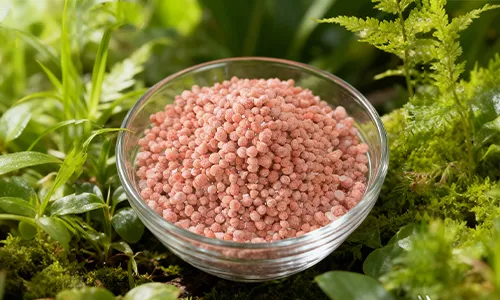
Examples: 13-40-13, 10-26-26 High-phosphorus formulas are typically used in markets where early-stage nutrient support is emphasized. From a B2B perspective, these ratios are often included as specialized SKUs to complement a balanced product line rather than replace it.

In some regions, standard formulas may not fully match local soil or crop needs. In such cases, distributors and projects may request custom NPK ratios to differentiate their product offerings or meet tender specifications. 👉 This is where custom blending and BB fertilizer programs become relevant.
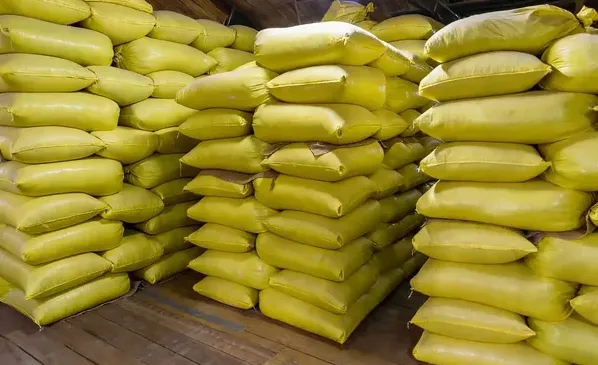
Instead of focusing on “best” ratios, professional buyers usually consider: Market familiarity: which ratios are already accepted locally Crop mix: whether the region grows mixed crops or focuses on one category SKU simplicity: limiting the number of ratios for inventory efficiency Cost control: balancing nutrient level and landed cost Supply stability: choosing ratios that can be produced consistently This approach allows distributors to build a scalable, repeatable fertilizer portfolio.

We understand that distributors operate on season windows and tender deadlines. Our team supports rapid formula review and production scheduling.
We keep blending records and quality checks to support long-term cooperation and reduce dispute risks.
From packaging to documentation, our process is designed for importers, not end users.
BB blending helps you expand SKUs efficiently—without building new manufacturing lines locally.
NPK Ratio FAQs
We will reply you within 24 hours. If for urgent case, please add WhatsApp/WeChat: +86 13573356077,. Or call +86 13573356077 directly.
*We respect your confidentiality and all information are protected.
We will only use your information to respond to your inquiry and will never send unsolicited emails or promotional messages.