Avoid your inquiry is delay response, please enter your WhatsApp/Skype along with the message, so we can contact you at the very first time.
We will reply you within 24 hours. If for urgent case, please add WhatsApp/WeChat:
Warning: Undefined variable $public in /www/wwwroot/lvfertilizer.com/wp-content/themes/hyhadmin/header.php on line 350
Warning: Trying to access array offset on value of type null in /www/wwwroot/lvfertilizer.com/wp-content/themes/hyhadmin/header.php on line 350
,. Or call
Warning: Undefined variable $public in /www/wwwroot/lvfertilizer.com/wp-content/themes/hyhadmin/header.php on line 350
Warning: Trying to access array offset on value of type null in /www/wwwroot/lvfertilizer.com/wp-content/themes/hyhadmin/header.php on line 350
directly.
Introduction: The Challenge of Profitability in Commercial Tomato Cultivation
As a commercial grower, you face a complex challenge: maximizing marketable yield while controlling input costs. Inconsistent fruit quality, physiological disorders like Blossom-End Rot (BER), and suboptimal yields directly impact your bottom line. Standard fertilizer guides often fall short, failing to address the unique variables of your soil, water, and production system.
This technical guide moves beyond basic NPK principles to an Integrated Nutrient Management (INM) framework. We will explore the scientific basis for nutrient selection and provide actionable strategies to help you develop a precise, data-driven fertilization program that enhances both yield and profitability.
A professional approach requires managing the full spectrum of essential nutrients.
Secondary nutrients are fundamental to producing first-grade tomatoes.
| Nutrient | Core Function in Tomato Production | Commercial Impact of Deficiency |
| Calcium (Ca) | A key component of cell walls, directly responsible for fruit firmness and preventing BER. | Leads to a high incidence of BER, rendering a significant portion of the harvest unmarketable. |
| Magnesium (Mg) | The central atom of the chlorophyll molecule, essential for photosynthesis and energy production. | Causes interveinal chlorosis, reduces photosynthetic efficiency, and results in smaller fruit and lower overall yield. |
| Sulfur (S) | An essential component of amino acids that contribute to the formation of flavor compounds. | Can lead to stunted growth and yellowing of new leaves, affecting the final taste profile of the fruit. |
While required in trace amounts, micronutrients like Boron (B) and Zinc (Zn) are critical for processes such as pollination and hormone regulation. Deficiencies can severely limit fruit set and overall plant development.
The optimal pH range for nutrient uptake in tomatoes is generally considered to be 6.0 to 6.8. Outside this range, the availability of essential nutrients like Iron (Fe), Manganese (Mn), and Phosphorus (P) is significantly reduced, leading to deficiency symptoms even when these nutrients are present in the substrate. Regular monitoring and management of pH are therefore foundational to any successful nutrient program.
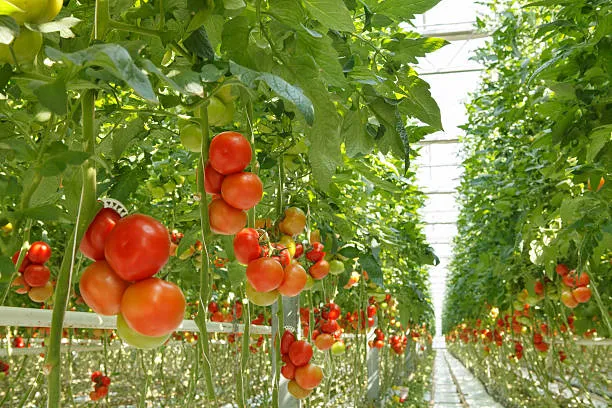
The Complete Nutritional Framework for High-Yield Tomatoes
The physical and chemical properties of a fertilizer must align with your cultivation method.
Disclaimer: The following table outlines general strategies. A tailored program must be developed based on comprehensive soil, water, and tissue analysis.
| System | Nutrient Strategy Overview | Key Management Focus |
| Open-Field (Soil) | Base application of compound granular fertilizers + periodic top-dressing + foliar sprays for rapid correction. | Managing soil structure, organic matter, and unpredictable environmental factors. |
| Greenhouse (Soil/Soilless) | Primarily relies on fertigation, delivering nutrients through the irrigation system. | Precise control over the root zone environment, including EC, pH, and moisture levels. |
| Hydroponics | Utilizes a complete, balanced nutrient solution as the sole source of nutrition. | Managing ionic balance, dissolved oxygen, and regular monitoring of the recirculating solution. |
For B2B buyers, evaluating fertilizer quality goes beyond the NPK analysis. Here are typical quality control checkpoints for different fertilizer types:
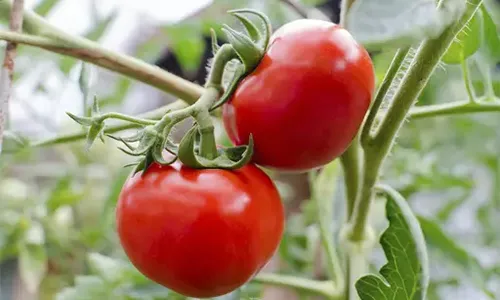
Matching Fertilizer Formulation to Your Production System
A static NPK ratio will not unlock maximum yield potential. The ratio must be adjusted based on the plant’s developmental stage.
Disclaimer: The following schedule and recipes are for illustrative purposes only. Actual concentrations and ratios must be calibrated based on your specific conditions, including water analysis, crop variety, climate, and target yield.
| Crop Stage | Weeks After Transplant (Typical) | Objective | Example NPK Trend | Target EC Range (Drip Fertigation) |
| Establishment | 1-2 | Promote vigorous root development. | High P (e.g., 1:3:1 ratio) | 1.8 – 2.0 mS/cm |
| Vegetative | 3-5 | Build a strong plant canopy. | Balanced (e.g., 1:1:1 ratio) | 2.0 – 2.2 mS/cm |
| Flowering & Fruit Set | 6-8 | Shift energy to reproductive growth. | Moderate N, High K (e.g., 2:1:3 ratio) | 2.2 – 2.5 mS/cm |
| Fruit Development | 9+ | Maximize fruit size, weight, and quality. | High K (e.g., a 12-12-36+TE formula) | 2.5 – 3.5 mS/cm |
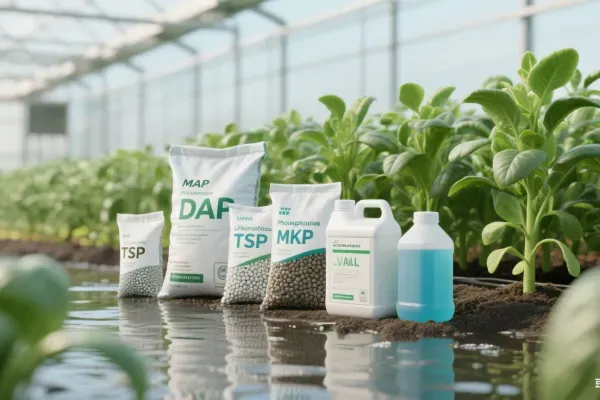
Dynamic NPK Ratios for Each Phenological Stage
Developing a professional-grade nutrient program is a data-driven process. Before selecting a final fertilizer formulation, it is best practice to gather the following essential inputs:
With these inputs, you or your agronomic advisor can design a nutrient recipe that is truly optimized for your operation. For technical support in selecting a fertilizer product that matches your calculated nutrient requirements, our team of agronomists is available for consultation.