Avoid your inquiry is delay response, please enter your WhatsApp/Skype along with the message, so we can contact you at the very first time.
We will reply you within 24 hours. If for urgent case, please add WhatsApp/WeChat:
Warning: Undefined variable $public in /www/wwwroot/lvfertilizer.com/wp-content/themes/hyhadmin/header.php on line 350
Warning: Trying to access array offset on value of type null in /www/wwwroot/lvfertilizer.com/wp-content/themes/hyhadmin/header.php on line 350
,. Or call
Warning: Undefined variable $public in /www/wwwroot/lvfertilizer.com/wp-content/themes/hyhadmin/header.php on line 350
Warning: Trying to access array offset on value of type null in /www/wwwroot/lvfertilizer.com/wp-content/themes/hyhadmin/header.php on line 350
directly.
When you do not know how long fertilizer lasts in soil, it is easy to over-apply, under-feed crops, or waste money. Extra fertilizer can also wash away, hurt the environment, and damage trust with your farmers. The good news? With clear rules, NPK becomes simple to plan and control.
In most field and garden conditions, NPK fertilizer stays active in the soil for several weeks to a few months. Nitrogen is used or lost fastest (days to weeks), while phosphorus and potassium can remain in the soil for months or even years, especially in heavier soils. How long NPK lasts depends on the type of fertilizer, soil type, weather, and crop uptake.
As a leading manufacturer and exporter of high-quality NPK fertilizer in China, we work every day with agricultural distributors, large commercial farms, cooperatives, and government projects. In this guide I’ll explain, in simple language, how long NPK fertilizer remains in the soil, how granular and liquid fertilizer compare, and how you can plan smarter fertilizer programs for your lawn and garden, or for large-scale farm projects.
I’ll also share practical tips on fertilizer shelf life, fertilizer storage, and how to tell if fertilizer is still good in the bag or on the field. Use this as a handy reference when you plan your next season or talk with your farmers.
When growers ask “how long does NPK stay in soil?” or “how long does fertilizer last?”, they often mix three different ideas:
As a manufacturer, our objective of fertilizer is clear: supply essential nutrients (nitrogen, phosphorus, potassium and trace elements) at the right time and rate so that plant growth and yield reach the target.
So when we talk about how fertilizer remains in the soil, we must always link it to soil type, soil conditions, and plants in the area. A sandy field with heavy rain is very different from a rich loam with good soil structure.
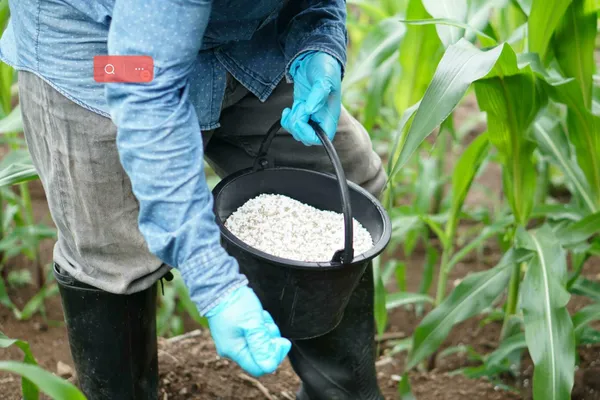
How long does NPK fertilizer last in soil?
Let’s start with a simple, practical picture for your lawn and garden, and then scale up to farms.
Most sources agree that fertilizers will last in soil from a few weeks to a few months. Liquid fertilizers typically give a quick boost and last 1 to 2 weeks or up to about 4 weeks, while granular fertilizers typically feed for several weeks or months, especially when you use a slow-release fertilizer.
You can think of it like this:
| Fertilizer type | How fast it works | How long fertilizer remains effective in soil* |
| Liquid fertilizer (foliar / soil drench) | Very fast – days | Often last 1 to 2 weeks, sometimes up to 4 |
| Dry fertilizer – quick release | 5–10 days to dissolve | Roughly 4–8 weeks |
| Slow-release granular fertilizer | 2–3 weeks to fully activate | Can last for 2 to 6 months depending on coating |
| Organic granular fertilizers | Slow to break down | Nutrients may last much longer, but release is slow |
*The real time always depends on the type of soil, weather, crop, and rate.
For lawn fertilizer, you often see labels recommending adding fertilizer to your lawn every 6–8 weeks. That is not because NPK disappeared; it is because the nutrients from the fertilizer deplete as the grass grows and uses them.
On large farms, we usually design the program so that one NPK application supports the crop for a defined growth stage. For example:
To understand how long does NPK last in soil, you need to see how each nutrient behaves.
Nitrogen is like fast cash for the plant. It fuels plant growth, green leaves, and yield. But it typically won’t last very long, especially in warm, wet conditions.
That is why fertilizer may be split into several applications and why type of fertilizer you use (slow release, stabilized, coated) matters so much.
Phosphorus is key for roots and energy transfer in the plant. Many soils hold on to P tightly.
This means fertilizer stays in the soil as phosphorus for a long time, but not always in a form that plants can easily use. Soil pH and soil structure affect this a lot.
Potassium fertilizer supports water balance, disease tolerance, and strong stems. K is held on soil particles and in clay minerals.
When we design npk compound blends for clients, we always consider how N, P, and K fertilizer remains in the soil, and how fast the crop will uptake each nutrient.
Yes – soil type is one of the biggest factors that affect how long fertilizer remains active.
Because soil depends so much on climate and history, we often suggest distributors and commercial farms test soil regularly. A simple soil test helps you see if you still need high NPK rates or if soil will change after years of heavy fertilizing.
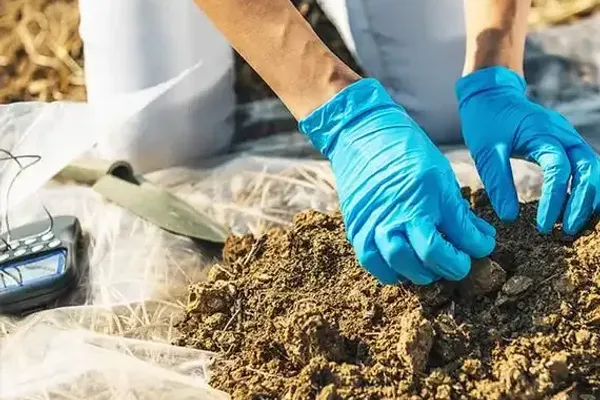
Soil test
Many buyers ask if liquid or granular fertilizer is better. The truth is: both have a role.
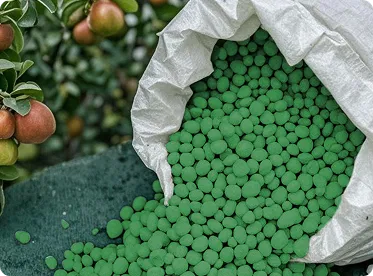
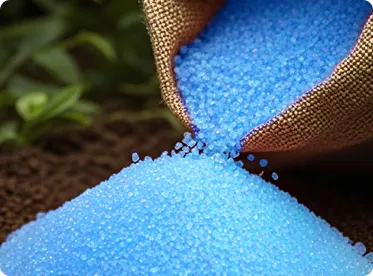
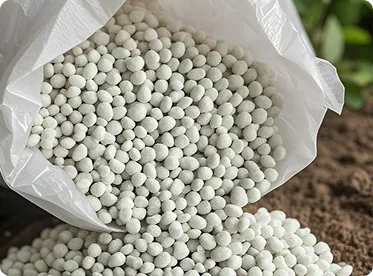
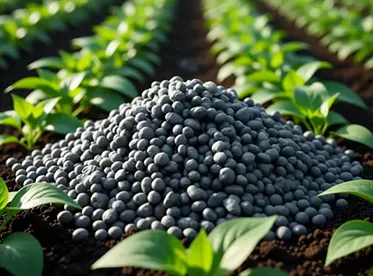
Granular fertilizer is the most common type of fertilizer we export. When dry granular fertilizer is applied to the soil, it dissolves slowly with moisture.
For large farms, granular fertilizers typically give strong value because application is easy, and they last significantly longer than fast liquid fertilizer in many field conditions.
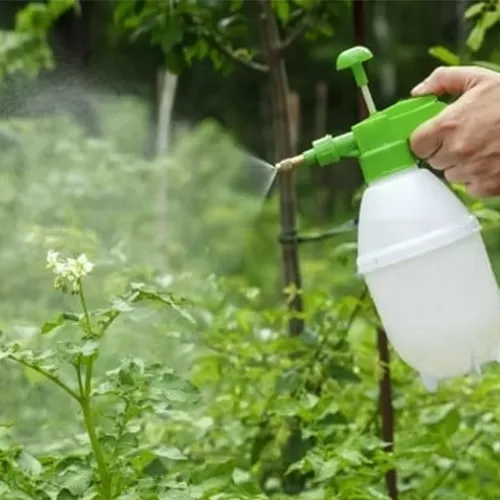
Liquid fertilizer works fast because nutrients are already in liquid form.
So, depending on the type of crop and season, we often design liquid and granular programs together: granular NPK for base feeding, plus liquid or water soluble fertilizer for key growth stages.
For clients who combine organic fertilizer with npk fertilizer, timing can look different.
In practice:
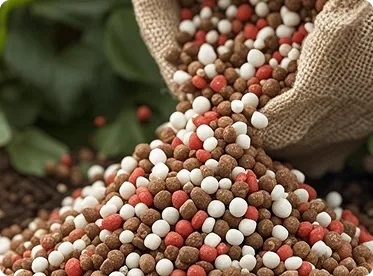
As a manufacturer, we adjust the fertilizer npk ratio, granule size, and coating so the product fits your climate, crop, and market segment.
Even the best fertilizer plan can fail if you ignore soil conditions and weather.
Warm, moist soil speeds microbial activity:
For big farm projects, we often design a method of fertilizer use that matches local rainfall. For example, in monsoon regions, we help clients shift more N to top dressing after the heaviest rains, so fertilizers will last exactly when crops need them most.
Many people ask how to tell if fertilizer in the bag or in the soil is still doing anything.
On a lawn and garden or in a garden bed, watch:
Remember, fertilizer typically won’t last forever at high levels, because crops and plants in the area are always using it.
For old fertilizer in storage:
When in doubt, contact your supplier or manufacturer. As a producer, we help our partners judge whether old fertilizer is still safe and how best to use it.
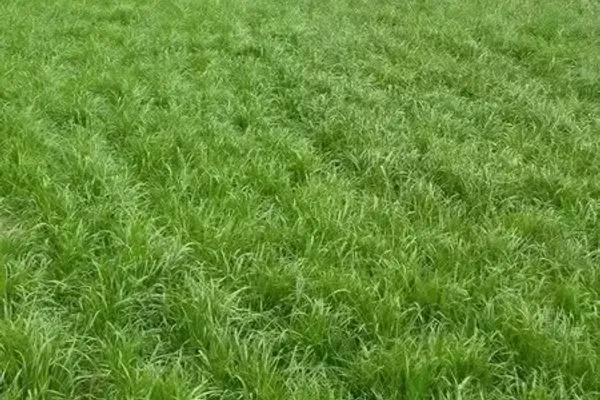
How to tell if fertilizer is still working in your lawn or garden?
Now let’s move to fertilizer shelf life and storage.
Most research and practical guides say:
Problems appear when:
For products that contain pesticides or herbicides (for example, some lawn fertilizer), fertilizer shelf life is shorter, often 1–4 years.
To store fertilizer safely and keep fertilizer makes full value:
Good fertilizer storage protects both your investment and the environment.
As a manufacturer, we design packaging to support proper storage. But we still rely on you and your team to handle bags the right way.
Here is a simple guide you can share with staff or farmers:
For granular and dry fertilizer
For liquid fertilizer
When you store fertilizer correctly, fertilizers will last for years and still support strong crops, whether you use them as lawn fertilizer or in thousand-hectare farm projects.
So, how often should you apply fertilizer every season?
There is no single rule, because soil type, crop, climate, and type of fertilizer all matter. But here is a simple starting point:
Field crops (maize, wheat, rice)
Vegetable plants
Lawn and garden
Always start with your soil test, crop need, and local extension advice. Then choose the type of fertilizer you use and the method of fertilizer application that fits your production system.
As a Chinese NPK manufacturer, we help distributors and large farms tailor programs so they do not use much fertilizer unnecessarily but still hit yield and quality targets.
Imagine a 300-hectare corn farm working with our npk compound products.
Result:
Programs like this show how smart planning makes fertilizer remains in the soil useful for the crop, not lost to the environment.
In most cases, NPK can support crops for 4–12 weeks, but long does fertilizer last depends on soil, climate, crop, and product design. Nitrogen is used or lost fastest, while phosphorus and potassium can last in the soil much longer.
Yes. In clay soil, P and K bind to particles and fertilizer remains in the soil longer. In sandy soil, nutrients move quickly, so materials typically won’t last as long, and split applications are often better.
If you kept it dry and followed proper fertilizer storage rules, granular fertilizer from several years ago is usually fine to use. Check that it spreads well. If in doubt, test a small lawn or garden area first and monitor plant growth.
For long feeding, we often suggest slow-release fertilizer or control release fertilizer in granular form. These fertilizers can last months, especially when matched to your soil type and crop. For quick fixes, liquid fertilizer is still useful but short-acting.
Always start with a soil test, local agronomy guidance, and label instructions. The right rate depends on crop, yield target, soil ph, previous fertilizer history, and soil conditions. As a manufacturer and exporter, we help our partners design rates for large projects and OEM brands.
Because how long NPK stays in soil is not just a science question – it is a business question.
As a leading manufacturer and exporter of NPK and other fertilizer products in China, we help:
We can adjust formulas, coatings, and packaging so your fertilizers last in soil as long as needed and perform the way your farmers expect.
If you want help planning a full-season NPK program for your lawn and garden market, large-scale crops, or OEM brand, reach out and share your soil type, crops, and target yield. We are ready to support you from product design to shipment.
NPK behavior is different for N, P and K
How long NPK lasts in soil depends on many factors
Granular products feed longer than liquids
Correct storage protects fertilizer shelf life
Soil tests and good planning avoid waste
A strong manufacturing partner adds value