Avoid your inquiry is delay response, please enter your WhatsApp/Skype along with the message, so we can contact you at the very first time.
We will reply you within 24 hours. If for urgent case, please add WhatsApp/WeChat:
Warning: Undefined variable $public in /www/wwwroot/lvfertilizer.com/wp-content/themes/hyhadmin/header.php on line 350
Warning: Trying to access array offset on value of type null in /www/wwwroot/lvfertilizer.com/wp-content/themes/hyhadmin/header.php on line 350
,. Or call
Warning: Undefined variable $public in /www/wwwroot/lvfertilizer.com/wp-content/themes/hyhadmin/header.php on line 350
Warning: Trying to access array offset on value of type null in /www/wwwroot/lvfertilizer.com/wp-content/themes/hyhadmin/header.php on line 350
directly.
Most people guess their npk fertilizer schedule. Then plants stall, leaves pale, or you spend money twice. The fix is simple: match fertilizer application timing to your soil, your crop, and your growth stages—so you feed what the plant can actually use, when it can use it.
If you want a practical answer: there is no single “best” calendar for everyone. The safest way to decide how often to apply is to start with a soil test, then adjust by plant type, weather, and the type of fertilizer (quick vs slow-release). Soil sampling every 2–3 years is a common baseline for many crops, and more frequent testing may be needed in intensive systems.
NPK fertilizer is built around three elements: nitrogen, phosphorus, and potassium. Think of them as three different “jobs.” Nitrogen drives green growth and supports chlorophyll (the green engine in leaves). Phosphorus supports root development and early energy use in plants. Potassium helps plants manage water, stress, and supports fruit development and overall strength.
Here’s the part many growers miss: your soil already contains some essential nutrients, but not always in the right balance, and not always in a form plants can use. That’s why “how often to apply” is really a question about nutrient levels and timing—keeping supply steady without pushing the crop into excess.
A quick visual rule of thumb (mobility in soil):
N (nitrogen)     ██████████  moves easily (loss risk higher)
K (potassium)    ██████      medium mobility
P (phosphorus)   ██          moves slowly (builds up in soil)
This mobility difference is one reason “one schedule for everything” fails.
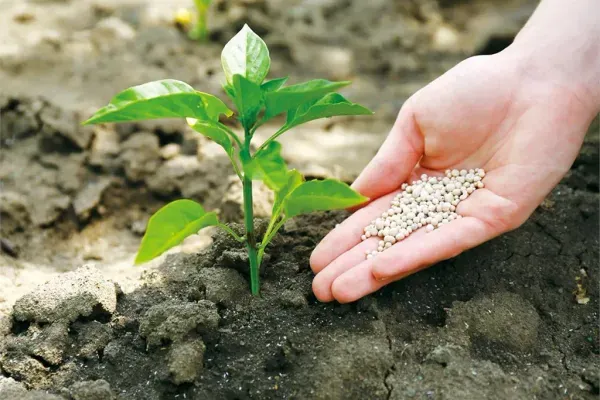
What does NPK fertilizer really mean for soil nutrient levels?
If you only remember one thing, remember this: determining the frequency of npk starts with your soil and ends with plant response.
I like this simple decision flow:
Extensions commonly recommend soil testing every 2 to 3 years for many situations, while more intensive systems may test more often. As Cornell Cooperative Extension puts it: “For most crops, every 2 to 3 years.”
Why this matters for frequency of npk fertilizer: without a baseline, you may keep applying the wrong nutrient at the wrong time. That can lower health and yield, not raise it.
Yes—nitrogen is usually the main reason schedules get messy. Nitrogen can move with water and can be lost below the root zone under certain conditions. Montana State University Extension describes nitrate (a plant-available form of nitrogen) as highly soluble and easily lost to leaching as water moves below the root zone.
So what does that mean in plain words? In wet periods, on lighter ground, or with heavy irrigation, plants may need “smaller, smarter” feeding moments instead of big, spaced-out events. That can reduce nutrient loss and improve uptake.
Practical guidance (without forcing a one-size plan):
In our export work, we see the best results when growers avoid chasing color with extra nitrogen. They feed for overall plant health and steady growth, not a short “green spike.”
Phosphorus is especially important in the early stages of plant growth because it supports root building and early vigor. When roots start strong, the plant can explore more soil, access more water, and hold steadier during stress.
But phosphorus is tricky. It doesn’t move much in soil, so frequency often depends more on soil reserves than on weekly feeding. That’s why a soil test is powerful here: it helps you avoid repeating phosphorus when your soil already has enough.
A simple grower mindset:
This is also why many agronomy programs focus on maintaining optimal nutrient levels rather than “feeding more.”
Potassium matters most when plants shift from growing leaves to building outcomes—flower, fruit, firmness, and stress handling. It supports water regulation in plant cells, which matters during heat, wind, and heavy fruit load.
From a practical field view:
Researchers and agronomy reviews also connect potassium nutrition to plant defense processes and stress tolerance. The takeaway for frequency: you may not need to apply potassium often, but you do need it available at the right growth stages.
If your goal is abundant flowers and fruits, you’re not just feeding “more.” You’re feeding “right.”
This is where schedules really change.
If you run a lot of irrigation, or if you farm on light soils, soluble products can be paired with split feeding to reduce waste. But if you want fewer labor steps, slow-release can be a strong fit—especially in landscaping, some home gardening, and certain orchard systems.
A simple comparison table:
| Approach | What it’s good at | What to watch | Typical use case |
|---|---|---|---|
| Soluble / quick | Faster response, easy to adjust | Easier to overdo, leaching risk | Greenhouses, fertigation, rapid crops |
| Slow-release | Smoother feeding, fewer spikes | Release depends on moisture/temp | Lawns, ornamentals, longer cycles |
| Balanced fertilizers | General support across stages | Still needs soil fit | Mixed cropping, general maintenance |
One popular “balanced” example you’ll see in many markets is 20 20 20. It can be useful in some programs, but it’s not a magic answer. Soil + crop goal decides the fit.
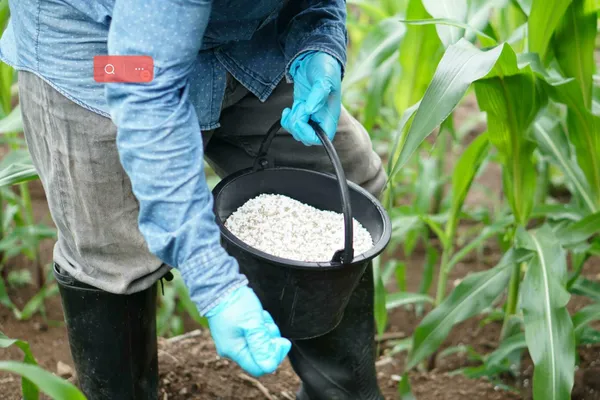
which one changes NPK fertilizer applications most?
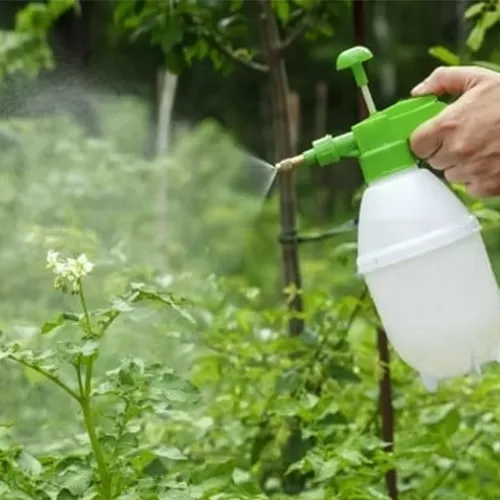
Foliar feeding can help in specific cases, but it is not a full replacement for building soil fertility.
University of Connecticut guidance explains that foliar feeding is not a substitute for maintaining adequate nutrients in the soil, and it’s not practical to supply large amounts of N, P, and K solely by foliar sprays. It also warns that concentrated sprays can burn foliage.
Their timing advice is simple and useful: “Ideally foliar feeds should be applied in the cooler morning or evening hours.”
So if you plan to use foliar:
If you manage high-value crops, foliar tools can be part of smart plant nutrition—just don’t let it become guesswork.
Your soil texture and water pattern can change everything about “often to apply.”
NC State Extension notes that nutrient leaching is a concern in sandy or coarsely textured soils, and advises applying smaller amounts of nutrients more frequently. That lines up with field reality: sandy soils drain fast, so nutrients can move away from roots faster.
Rainfall and irrigation matter too. MSU Extension explains nitrate can move with water below the root zone. So heavy rain after fertilizing can mean money washed away.
Here’s a practical “risk meter” you can use:
If you want optimal results, match frequency to your soil’s holding ability. That’s the difference between feeding plants and feeding the weather.

Soil test
Over-feeding can look like “success” for a week—then problems show up.
Common warning signs include:
University of Maryland Extension explains that damage from excessive fertilizer application can appear as browning of leaf edges or scorch, and that soluble salts can pull moisture out of root tissues. That’s a key reason fertilizer burn happens.
A quick prevention list:
Healthy feeding builds healthy plants, not just fast plants.
You asked “how often should you apply npk fertilizer.” Here’s a clear planning method that works for many crops, without pretending all farms are the same.
A simple stage approach:
This is where “plants have varying nutrient requirements” becomes real. Different crops, and even different fields, can need different timing.
Mini case note from our export projects:
One cooperative customer in a warm, high-rainfall region shifted from “big, rare” feeding to smaller, staged feeding aligned with weeks during the growing season. They mainly aimed to reduce leaching and stabilize growth and health. The visible change was steadier color and more uniform crop development. (This is an observation from field support, not a universal promise.)
Track:
This is how you maintain optimal nutrition without wasting budget.
As a general rule, base timing on soil testing plus crop stage. Many programs start with periodic soil tests (often every few years) and adjust feeding across the growing season based on crop demand and weather.
Because plant type, growth speed, and yield goal change nutrient demands. Leafy crops often pull more nitrogen, while flowering and fruiting crops may rely more on balanced nutrition across N, P, and K.
Often yes on sandy soils or in high rainfall systems, because nutrients can leach. Extension guidance notes sandy soils have higher leaching concern and may need smaller, more frequent nutrient supply.
No. Foliar feeding can help short-term, but extension guidance says it is not a substitute for adequate soil nutrients, and it’s not practical to supply large amounts of N, P, and K only through leaves.
Follow label directions, avoid feeding before extreme heat, and watch for scorch or wilting signals. Excess fertilizer damage can show as leaf edge browning and salt stress.
Start with target crops and target regions, then build a product range: balanced NPK, crop-focused ratios, and optional soluble lines for fertigation. As a manufacturer-exporter, we can help design stable formulations and packaging for your market while supporting compliance and consistent supply.