Avoid your inquiry is delay response, please enter your WhatsApp/Skype along with the message, so we can contact you at the very first time.
We will reply you within 24 hours. If for urgent case, please add WhatsApp/WeChat:
Warning: Undefined variable $public in /www/wwwroot/lvfertilizer.com/wp-content/themes/hyhadmin/header.php on line 350
Warning: Trying to access array offset on value of type null in /www/wwwroot/lvfertilizer.com/wp-content/themes/hyhadmin/header.php on line 350
,. Or call
Warning: Undefined variable $public in /www/wwwroot/lvfertilizer.com/wp-content/themes/hyhadmin/header.php on line 350
Warning: Trying to access array offset on value of type null in /www/wwwroot/lvfertilizer.com/wp-content/themes/hyhadmin/header.php on line 350
directly.
Your lawn looks sad. You see a pale green lawn that has lost its deep, rich color. You water it and watch it, but it does not get better. This is a big problem. A beautiful lawn can become a source of stress.
You might worry it is a disease. You might think you have a pest problem. This can be very frustrating. You put in the work, but you do not see the results. Your lawn gets thinner. Weeds start to show up. It feels like a losing battle.
The solution might be very simple. Your grass is probably hungry. And its favorite food is Nitrogen. If your lawn is uniformly pale green or yellow and growth is slow, it may be low on nitrogen. Lawn nitrogen deficiency symptoms typically show up first on older leaves and cause overall thinning. You need to rule out look-alikes like iron chlorosis (new growth yellows first) and confirm the issue. This guide will show you how to tell if grass needs nitrogen.
You are busy. You do not have time for a long investigation. Here are the fastest signs lawn needs nitrogen. Look for these clues.
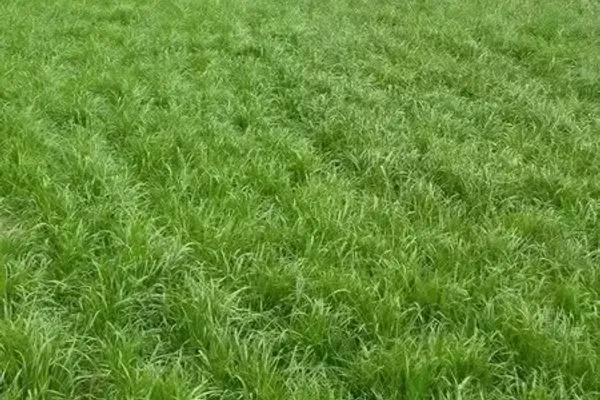
Why is Nitrogen so important? Think of it like a protein shake for your grass. It is the number one nutrient your lawn needs to be healthy.
The problem is, your lawn can run out of it. Without enough nitrogen, your grass cannot make Chlorophyll. Chlorophyll is what makes grass green. It is also what helps the plant make food from sunlight. When there is low chlorophyll content turf nitrogen levels are almost always the cause. This leads to that sad, yellow grass nitrogen deficiency look.
This lack of food also causes stunted turf growth low nitrogen is known for. The grass does not have the energy to grow strong. It will have decreased shoot density turfgrass experts see. It also stops making new shoots from its base. This is a process called tillering. With reduced tillering in turf, your lawn gets thin. A thin lawn nitrogen deficiency is a very common sight. This weak lawn lack of vigor invites a weedy lawn low fertility nitrogen problem.
What Nitrogen Does for Turf
Your eyes are your best tool. You just need to know what to look for. Here are the top three visual clues.
The biggest sign is color. But it is a specific kind of color change. The problem is a lawn looks light green overall. It is not in strange shapes.
This uniform lawn chlorosis means the whole plant is suffering evenly. You will see a patchy light green turf diagnosis in large areas, not small, dead spots. The poor turf color nitrogen status is a clear signal. This is different from many diseases, which create circles or odd-colored patches. A sparse grass stand nitrogen shortage will look faded everywhere.
This is a very important clue. Nitrogen can move around inside the grass plant. When the plant is low on nitrogen, it takes it from the old leaves and gives it to the new, young leaves.
This is why you see older leaves turning yellow first. The lower blades yellowing lawn is a classic sign. To check, gently pull a grass plant out of the turf. Look at the leaves at the very bottom. Are they more yellow than the new ones at the top? If you see lawn chlorosis older leaves first, you likely have a nitrogen problem. The yellowing from tips inward grass pattern is also common.
A hungry lawn does not want to grow. You will notice that you are not mowing as often. This is a sign of slow lawn growth despite watering.
The reduced turf growth rate nitrogen limiting effect is clear. You will see slow recovery after mowing nitrogen is needed for. The lawn just does not bounce back. This leads to a weak weedy thin lawn nitrogen issue. The grass is not thick enough to crowd out weeds. This is a sign of a weak lawn lack of vigor that needs food.
You see a yellow lawn. You think it must be nitrogen. But wait. You could have a different problem. Adding nitrogen when it is not needed can make things worse. Let’s look at the common mix-ups.
This is the biggest point of confusion. An iron shortage also causes yellowing, called interveinal chlorosis. But there is one huge difference.
A thirsty lawn can also look faded. But the low nitrogen heat stress symptoms turf shows are different from drought. A lawn under drought stress will often have a blue-gray color. You will see footprints stay in the grass after you walk on it. The yellowing from nitrogen deficiency vs drought stress turf is more uniform and less about wilting.
Lawn diseases are a huge problem. They can cause yellow and brown spots. But the pattern is different. Lawn yellowing causes nutrient vs disease are easy to tell apart. Diseases often create circles, rings, or irregular patches. Low nitrogen disease pressure turfgrass can be a secondary issue; a hungry lawn gets sick more easily. But the first sign of low nitrogen is a uniform fade, not a strange pattern.
These are easy to spot. Pet urine spots vs nitrogen deficiency are no match. A dog urine spot is usually a small, dead brown circle with a very dark green ring around it.
Spreader problems also look different. If you see uneven greening fertilizer striping, it is a human error. Lawn striping from spreader error creates dark green and light green lines across the lawn. It is not a uniform fade.
Sometimes, the nitrogen is in the soil, but the plant cannot get it. Compacted soil poor nitrogen uptake is a common issue. A bad soil pH can also lock up nutrients. A soil test for lawn nitrogen might not be the best tool, but a test for pH is very helpful.
You have looked at the visual signs. You have ruled out the look-alikes. Now you want to be 100% sure. Here are the best ways to confirm.
This is the easiest and fastest test. You do not need any special tools.
If that patch turns dark green and starts growing faster than the rest of the lawn, you have your answer. You will see a clear lawn greening response after nitrogen. This confirms a turfgrass color response to nitrogen.
Many people think a soil test is the first step. For some nutrients, it is. A soil test from a lab like Penn State Extension or the University of Connecticut Soil Testing is great for checking Soil pH, phosphorus, and potassium.
But, most university experts, including those at Purdue Extension, say there is no truly reliable soil test for lawn nitrogen requirement. This is because the amount of nitrogen in the soil changes very quickly. It can wash away or be used by plants in days. So, nitrogen is usually managed by looking at the grass, not the soil.
If you do a soil test, you should take a composite soil sample for lawn. This means taking small samples from many spots and mixing them together. Use a soil probe to get a consistent lawn soil sampling depth 3 inches is standard.
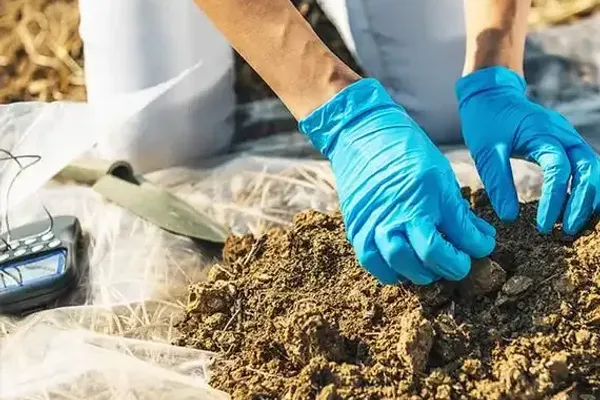
Soil test
For professionals managing areas like golf courses, there are high-tech tools. A tissue test turfgrass nitrogen analysis can be done. This is also called clipping analysis nitrogen sufficiency testing.
Other tools measure the greenness of the grass. A chlorophyll meter turf nitrogen status can be checked with a tool like a SPAD meter or an atLEAF meter. Even more advanced tools use light sensors. An NDVI sensor lawn greenness nitrogen measurement can be taken with a GreenSeeker NDVI turf measurement tool. Some apps even allow for smartphone lawn color analysis nitrogen checks. These are not needed for most homeowners.
Why did your lawn run out of nitrogen in the first place? This is a frustrating problem. Here are the most common reasons.
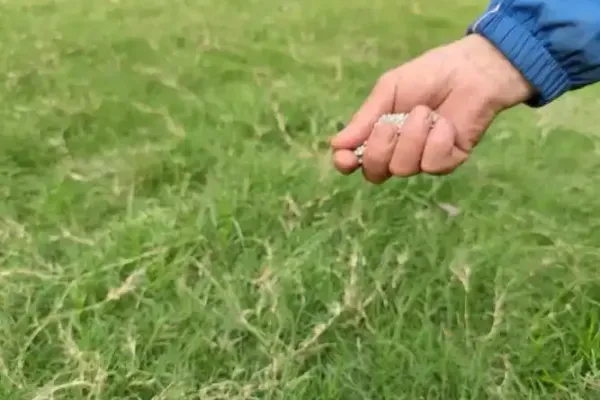
Why Lawns Commonly Run Low on Nitrogen
You have confirmed it. Your lawn needs nitrogen. Now it is time for the solution. You need a simple, safe plan to feed your lawn and bring it back to life.
There are many choices. The biggest difference is fast-release vs. slow-release.
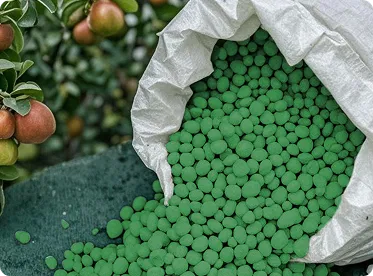
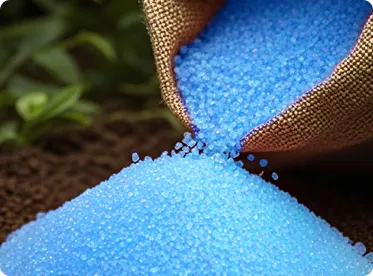
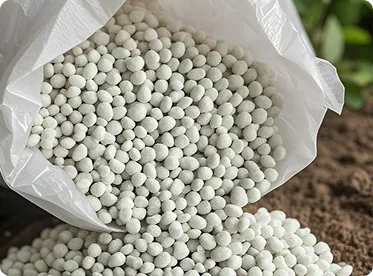
The quality of the nitrogen source is very important. Global fertilizer manufacturers like Shandong Lvfeng Fertilizer Co., Ltd. are experts in this field. With over 25 years of experience, they produce high-quality nitrogen products like Ammonium sulphate and Urea. Their advanced production lines, with an annual output of 120,000 tons of ammonium sulphate, provide the pure, effective raw materials that make up the best lawn fertilizers. For a balanced diet, a quality compound NPK fertilizer is often the best solution.
More is not better. Too much nitrogen is dangerous. The general rule from places like K-State Extension Johnson County is to apply 1 pound N per 1000 sq ft rule. This means 1 pound of actual nitrogen, not 1 pound of fertilizer. You will need to use a lawn fertilizer calculator nitrogen rate to figure this out based on the NPK numbers on the bag (like NPK 30-0-4 lawn fertilizer).
When you apply fertilizer matters.
How you apply it is just as important as what you apply. Use a broadcast spreader or a drop spreader. Make sure you know your broadcast spreader calibration for nitrogen settings. Apply the fertilizer in two directions (like a checkerboard) to get even coverage. And always sweep fertilizer off sidewalks and driveways back into the lawn.
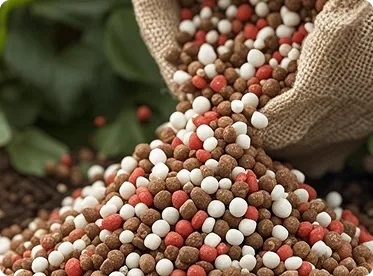
Many professional turf managers use a balanced diet approach. They might use a fertilizer with an NPK ratio 4-1-2 lawn fertilizer as a base. For specific needs, they might work with a supplier to get custom blended BB fertilizer formulas to ensure the turf gets exactly what it needs.
Sometimes, putting down nitrogen is the wrong thing to do.
Deciding what to do should not be hard. Follow this simple logic.