Avoid your inquiry is delay response, please enter your WhatsApp/Skype along with the message, so we can contact you at the very first time.
We will reply you within 24 hours. If for urgent case, please add WhatsApp/WeChat:
Warning: Undefined variable $public in /www/wwwroot/lvfertilizer.com/wp-content/themes/hyhadmin/header.php on line 350
Warning: Trying to access array offset on value of type null in /www/wwwroot/lvfertilizer.com/wp-content/themes/hyhadmin/header.php on line 350
,. Or call
Warning: Undefined variable $public in /www/wwwroot/lvfertilizer.com/wp-content/themes/hyhadmin/header.php on line 350
Warning: Trying to access array offset on value of type null in /www/wwwroot/lvfertilizer.com/wp-content/themes/hyhadmin/header.php on line 350
directly.
Tomato yields can drop fast when fertilizer choices are “one-size-fits-all.” Too much nitrogen brings leafy growth and fewer fruit. Too little potassium hurts fruit quality. The solution is simple: match your fertilizer (or fertiliser) to the tomato plant stage, soil test, and climate—then apply the right rate consistently.
Yes—NPK 15-15-15 can be good for tomatoes as a balanced starter or early-season fertiliser, especially when soil tests show you need phosphorus and potassium. But it’s not always the best choice during flowering and fruiting, because tomatoes often need relatively more potassium than nitrogen later. The smartest approach is soil testing, stage-based feeding, and careful fertilizer application.
The Complete Nutritional Framework for High-Yield Tomatoes
What does NPK mean, and what does 15-15-15 really provide for a tomato plant?
Is NPK 15-15-15 good for tomatoes at every stage of tomato growth?
When should a grower use 15-15-15 fertilizer vs a higher-potassium mix?
What happens if nitrogen is too high—leafy growth vs fruit?
Soil pH and soil testing: how do they change nutrient uptake?
Application rate basics: how much fertilizer per plant is safe and effective?
Common nutrient deficiencies in tomatoes: what symptoms to watch for
Blossom end rot: is it calcium, water, or fertilizer imbalance?
Organic fertilizer options: compost, fish emulsion, bone meal—how they fit nutrient management
B2B buyer checklist: choosing NPK fertiliser supply and OEM fertilizer partners
Let’s start easy. N-P-K on a fertilizer label means nitrogen, phosphorus, and potassium—always in that order. These numbers are percentages by weight in the bag.
So 15-15-15 means:
15% nitrogen (N)
15% phosphorus (often listed as phosphate on labels)
15% potassium (often listed as potash on labels)
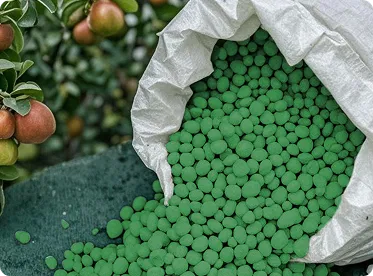
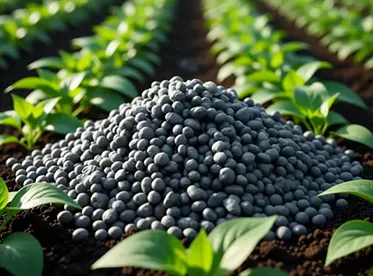
That’s why many growers call it triple 15. In simple terms, 15-15-15 provides a balanced nutrient supply that supports early plant needs: leaf growth, strong root, and general establishment.
This balanced blend can work well when you’re growing tomatoes in soils that are low in phosphorus and potassium—or when you’re starting a new field and need balanced nutrition throughout the plant life early on.
Here’s the truth: tomato plants and other fruiting crops don’t need the same nutrient balance all season. Early growth is different from the fruiting stage.
A balanced fertiliser like NPK 15-15-15 can be useful during:
transplant establishment (helping root development)
early vegetative growth (building leaves and stems)
But later, during flower and fruit development, tomatoes typically need relatively more potassium to support fruit development and fruit quality. A tomato nutrition guide notes that early stages can use a 1:1:1 ratio, while later flowering/fruit set phases may shift toward higher potassium (example ratio 2-1-3).
That’s why the best answer is: NPK 15-15-15 is good sometimes, not always. It’s a “starter and early growth” tool, not a universal “finish line” tool.
If you’re a grower or a distributor advising farmers, your goal is to match fertilizer to use.
| Stage | Plant needs | Good fertilizer direction |
|---|---|---|
| Seedling / transplant | Stable growth + roots | Balanced fertiliser, careful rate |
| Vegetative growth | Leaves and stems | Balanced or slightly higher N if needed |
| Flowering and early fruit set | More K support | Shift toward higher potassium |
| Heavy fruiting | Fruit size + fruit quality | Higher K, steady N, avoid excess |
This is “choosing the right npk” in real life—matching the npk ratio to the plant needs, not picking a bag by habit.
Also, don’t ignore what extension services say: too much nitrogen fertilization can create bushy plants that are slow to bear fruit.
That’s the classic warning sign when people overuse balanced fertilizer late in the season.
What type of fertilizer do tomatoes need at each growth stage?
Nitrogen is powerful. It drives green growth. But tomatoes are not grown for leaves. They’re grown for fruit.
When nitrogen is too high, you may see:
fast leaf growth and thick stems
delayed flower set (fewer flower clusters)
softer tissue that can attract pests and diseases
lower fruit quality in some cases
University guidance warns that excessive nitrogen can lead to bushy, leafy plants and slower fruiting.
This is why your “right fertilizer” is often stage-dependent.
So if you’re asking “Is 15-15-15 good for tomatoes?” you must also ask: what stage am I in? Early on, it can help. During heavy fruiting, it can push too much leafy growth if your soil already has enough nitrogen.
A smart fertilizer plan starts with soil testing. It’s the quickest way to avoid wasting money.
One extension guide notes an ideal soil pH for tomatoes around 5.5 to 7 and recommends applying phosphorus and potassium according to soil test results (many soils already have enough phosphorus).
That matters because nutrient uptake changes with pH and soil chemistry.
Think of it like this:
Soil can “hold” nutrients based on its cation exchange capacity (CEC)
Soil pH affects how easily plants access phosphorus and micronutrients
Even when nutrients are present, the plant gets less if conditions are off
If your soil test shows high phosphorus, you may not need a balanced blend. In that case, a lower-phosphorus fertilizer to use may be a better choice, depending on your crop plan.
Every farm is different, but the principle stays the same: the safest way is small, repeated fertilizer application, not one heavy dose.
Some research trials on tomato have used specific field rates of NPK 15:15:15 and found yield responses (rates vary widely by location and soil).
For practical farm use, always adapt to local recommendations and your soil testing.
Pre-plant: incorporate part of your nutrients into the soil
At transplanting: a light starter to support strong root and early plant growth
During fruiting stage: shift to higher potassium emphasis for fruit development
If you’re using water-soluble (fertigation), you can control nutrient supply much more precisely—especially for commercial farms aiming to maximize growth and yield.
Important safety note: avoid dumping high fertilizer close to the stem. Concentrated salts can burn roots and reduce uptake.
Even good fertilization can miss something. Weather, watering systems, and soil health all play roles.
Here’s a quick, practical table for common nutrient deficiencies:
| Nutrient | Common symptom | What to check first |
|---|---|---|
| Nitrogen fertilizer shortage | Pale leaves, slow growth | overall rate + timing |
| Phosphorus | Weak early root development | cold soils + pH issues |
| Potassium | Poor fruit quality, weak stress tolerance | stage needs + K rate |
| Magnesium | Yellowing between leaf veins | magnesium and calcium balance |
This is where nutrient management is more than N-P-K. Tomatoes also care about magnesium and calcium, especially under stress.
If you see problems, don’t guess. Confirm with soil testing and leaf analysis if you can. That’s how you avoid overcorrecting.
Blossom end rot is one of the most common tomato headaches. It shows as a dark, sunken spot at the bottom of the fruit.
Extension sources explain that blossom-end rot relates to calcium deficiency in the fruit, but the root cause is often moisture stress and disrupted calcium movement—meaning the plant cannot deliver calcium well.
What does fertilizer have to do with it? OSU Extension notes that excess nitrogen, magnesium, potassium, or sodium can interfere with calcium uptake.
So if you overdo nitrogen or push too much potassium at the wrong time, you may raise risk—especially when watering is inconsistent.
Simple prevention checklist
Keep watering systems steady (avoid wet/dry swings)
Avoid excessive nitrogen fertilizer late
Don’t chase calcium with random products until you fix moisture stress
Maintain balanced nutrition throughout the season
This is why I tell farms: blossom end rot is often a “management” issue first, not just a “product” issue.
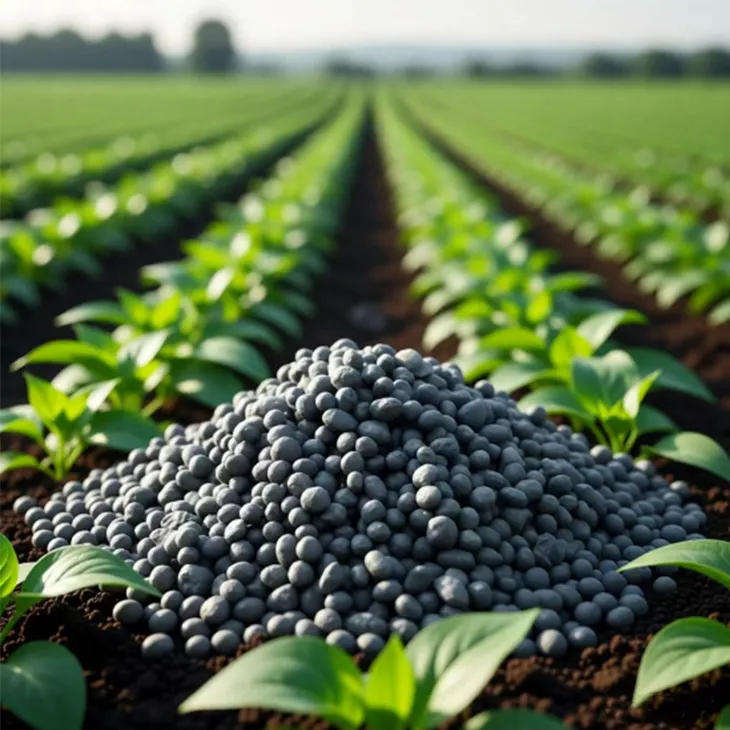
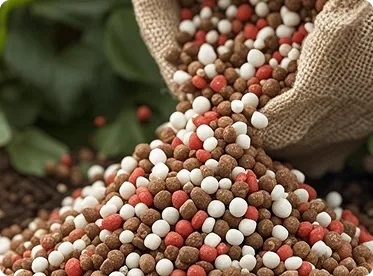
Organic-Inorganic Compound Fertilizer
Many projects blend organic or synthetic approaches. That’s normal in commercial production too.
Here’s how common organic tools fit:
compost: supports soil health and microbial activity (slow nutrient supply)
fish emulsion: quick nitrogen boost for early stages (use carefully to avoid too much N)
bone meal: adds phosphorus and supports root development (best pre-plant)
Organic fertilizer programs can help soil structure and long-term soil health, but they often release nutrients slower. For commercial farms, many use a balanced blend program: base organic inputs + targeted soluble feeding as needed.
This mix of nutrients is often the most practical “real world” solution—especially in long growing season production.
Now the AIDA “Action” part. If you’re an agricultural distributor, importer, cooperative, or government project buyer, you care about three things:
consistent nutrient analysis
reliable delivery
documents that clear customs and protect your brand
As a leading manufacturer and exporter of high-quality fertilizer products in China, we support bulk procurement and OEM programs with stable formulation control and export-ready compliance packages.
| Item | What to verify | Why it matters |
|---|---|---|
| Product analysis | COA for nitrogen, phosphorus, potassium | protects your reputation |
| Granule quality | size, hardness, dust level | better spreading and storage |
| Packaging | 25kg/50kg/1-ton bags | fits your channel |
| Lead time | production + port schedule | avoids stockouts |
| Support | application guidance + crop programs | helps your customers succeed |
A distributor launched 15-15-15 fertilizer as a “starter blend” for tomato plant programs and paired it with a higher potassium option for the fruiting stage. They trained retailers on timing and soil testing. Result: fewer complaints about leafy growth and improved fruit quality feedback from growers. That’s what “apply the right” program looks like: product + guidance + timing.
Is NPK 15-15-15 good for tomatoes in containers?
It can be. Use a lighter application rate and avoid overfeeding nitrogen. Containers can accumulate salts fast, so small, frequent feeding is safer than heavy doses.
Can I use 15-15-15 all season on tomato plants?
You can, but it’s often not ideal. Tomatoes typically need relatively more potassium during heavy fruiting. Many guides suggest shifting ratios later for better fruit development and fruit quality.
What’s the best fertilizer for flowering and fruit?
Many programs reduce nitrogen relative to potassium during flowering and fruit set to support fruit and reduce excessive leafy growth.
Does 15-15-15 cause blossom end rot?
Blossom end rot is mostly linked to moisture stress and calcium movement problems. However, excess nitrogen or nutrient imbalances can interfere with calcium uptake, which can increase risk.
Should I use 10-10-10 or 15-15-15 for tomatoes?
Both are balanced fertilizers. The best choice depends on soil testing, stage, and your nutrient needs. Balanced nutrition is useful early, but later stages often need a higher proportion of potassium.
Is 20-10-10 better than 15-15-15?
20-10-10 has more nitrogen, so it can push vegetative growth. It may fit early growth if nitrogen is low, but it can also create too much leafy growth if used late. Use soil testing and stage-based planning to decide.
15-15-15 (triple 15) is a balanced fertiliser that can work well early for tomato plant establishment and root development.
Tomatoes often need relatively more potassium during flowering and fruiting stage for fruit development and fruit quality.
Too much nitrogen can cause leafy growth and slow fruiting; extension guidance warns against excessive nitrogen fertilization.
Soil pH and soil testing strongly affect nutrient supply and nutrient uptake—don’t guess; test and adjust.
Blossom end rot is commonly linked to moisture stress and disrupted calcium movement; fertilizer imbalance can contribute, but watering stability is crucial.
For B2B buyers, the best results come from a full program: reliable fertilizer + timing plan + technical support.
If you tell me your tomato production type (open field vs greenhouse), soil type, and target yield, I can outline a simple stage-by-stage fertilization plan (starter + fruiting blend + micronutrient notes) that distributors can reuse for training and sales.