Avoid your inquiry is delay response, please enter your WhatsApp/Skype along with the message, so we can contact you at the very first time.
We will reply you within 24 hours. If for urgent case, please add WhatsApp/WeChat:
Warning: Undefined variable $public in /www/wwwroot/lvfertilizer.com/wp-content/themes/hyhadmin/header.php on line 350
Warning: Trying to access array offset on value of type null in /www/wwwroot/lvfertilizer.com/wp-content/themes/hyhadmin/header.php on line 350
,. Or call
Warning: Undefined variable $public in /www/wwwroot/lvfertilizer.com/wp-content/themes/hyhadmin/header.php on line 350
Warning: Trying to access array offset on value of type null in /www/wwwroot/lvfertilizer.com/wp-content/themes/hyhadmin/header.php on line 350
directly.
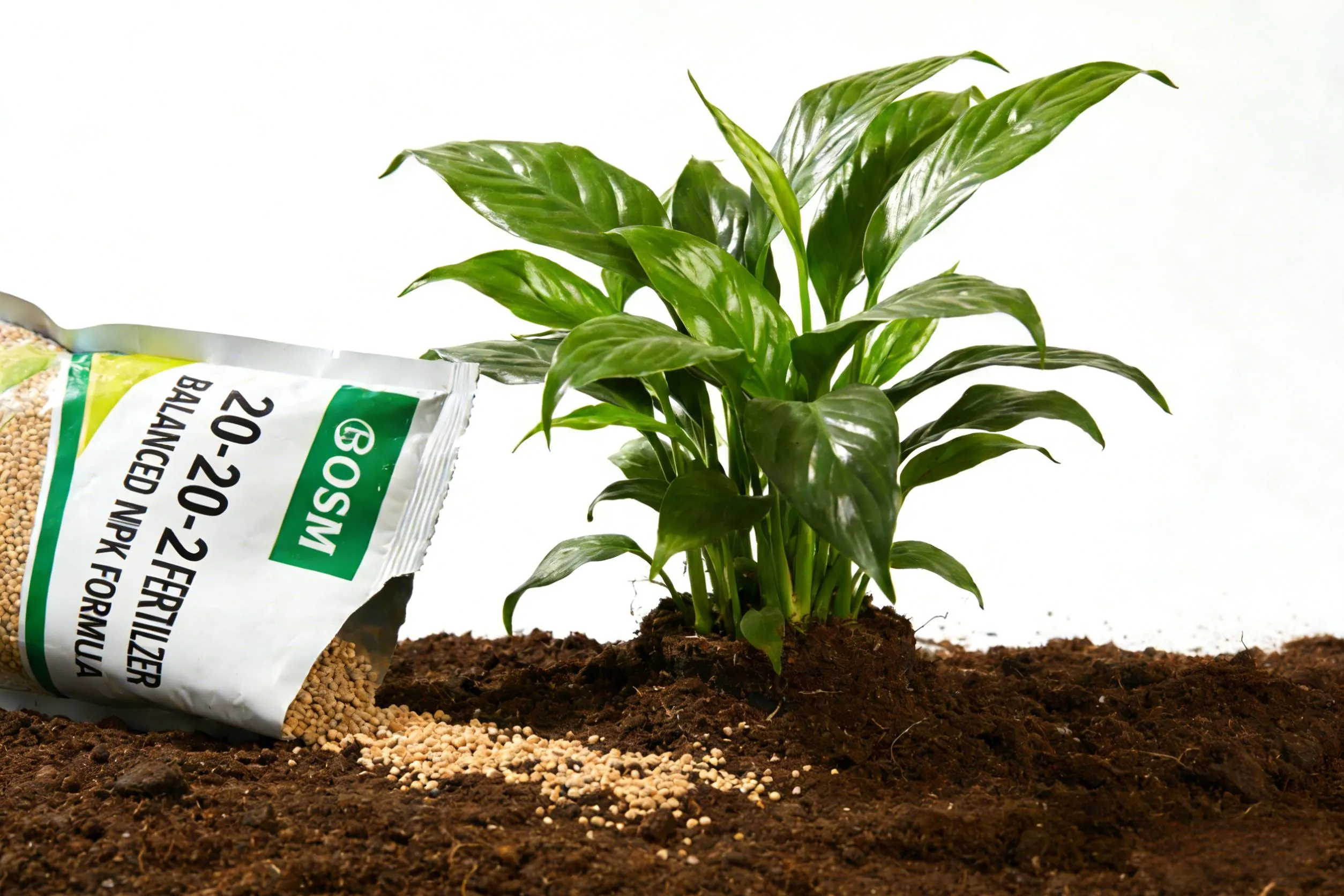
Poor growth, pale leaves, weak roots, and low yields often come from one simple problem: plants are missing the right nutrient balance. When growers guess instead of feeding correctly, crops struggle, costs rise, and results fall short. The solution is understanding npk and using the right fertilizer at the right time.
NPK fertilizer helps plants grow by supplying the three primary macronutrients: nitrogen, phosphorus, and potassium. These essential nutrients support leaf and stem growth, root strength, flowering, fruit development, and overall plant health. When the npk ratio matches the crop and growth stage, plants develop better, use water and nutrients more efficiently, and produce stronger yields.
What is npk, and why does it matter so much?
What do the three numbers on npk fertilizer mean?
How does nitrogen support leaf and stem development?
Why is phosphorus so important for root growth and flower formation?
What role does potassium play in plant health and disease resistance?
How does the right npk ratio change by growth stage?
How do soil conditions and soil testing affect fertilizer application?
What happens when plants suffer nutrient deficiencies?
How can growers choose the right npk for different plants and crops?
Why does proper npk management improve crop yields and long-term soil fertility?
When I speak with importers, distributors, and large farm buyers, one question comes up again and again: what exactly is npk? In simple terms, npk refers to the three primary macronutrients required by plants: nitrogen, phosphorus, and potassium. These are the core building blocks that support healthy growth and development in the field.
Each nutrient has a different job. Nitrogen supports green growth and chlorophyll production. Phosphorus helps with root development, energy transfer, and early establishment. Potassium supports water balance, stress response, and overall plant health. Together, these three macronutrients form the foundation of most modern fertilizer programs.
As a leading manufacturer and exporter of high-quality fertilizer products based in China, I see the effect of npk across many markets. Agricultural distributors need reliable formulas. Commercial farms want stable performance. Government and NGO agricultural projects need practical results at scale. OEM fertilizer brand owners want consistent quality they can trust. In every case, understanding npk helps buyers make smarter product choices.
Many growers see the three numbers on a bag and know they matter, but they do not always know what they mean. Those three numbers show the percentage of nitrogen, phosphorus, and potassium in the product. This is the basic language of understanding npk.
For example, a 15-15-15 formula means the fertilizer contains equal portions of nitrogen, phosphorus, and potassium. A 20-10-10 product has more nitrogen than the other two nutrients. That matters because different plants and crops need different feeding strategies based on plant growth stages, crop goals, and soil conditions.
Here is a simple table:
| NPK Formula | What it suggests | Best general use |
|---|---|---|
| 15-15-15 | Balanced feeding | General crop maintenance |
| 20-10-10 | More nitrogen | Vegetative growth |
| 10-20-10 | More phosphorus | Root growth and early stage |
| 12-12-17 | More potassium | Flower and fruit support |
| 19-19-19 | High balanced formula | Fast, broad nutrient support |
The npk ratio matters because the role in plant feeding is never one-size-fits-all. The right formula depends on the type of plant, the stage of growth, the soil nutrient condition, and environmental factors.
If a grower wants strong green leaves and active top growth, nitrogen is usually the first nutrient to consider. Nitrogen supports chlorophyll formation, photosynthesis, and protein production. That is why it plays a key role in leaf and stem development.
During vegetative growth, plants require more nitrogen because they are building new tissue quickly. This macronutrient helps make plants greener, fuller, and more vigorous. It is especially important for cereals, vegetables, leafy crops, and many field crops during early growth.
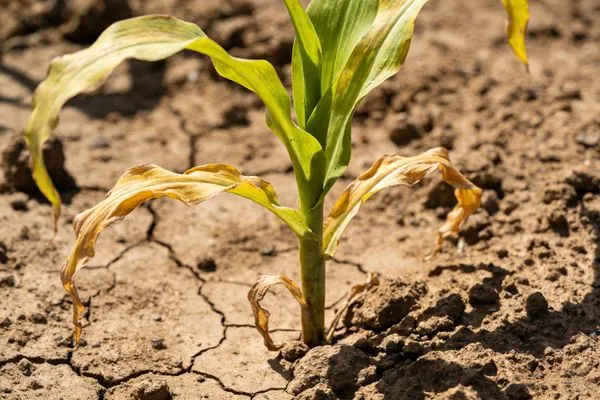
But balance matters. Too little nitrogen can cause yellowing, weak stems, and slow growth. Too much can push excessive soft growth and reduce balance with phosphorus and potassium. That is why proper fertilizer application is so important. Good nutrition should support leaf and stem growth without creating waste or imbalance.
Common signs linked to nitrogen deficiency
Pale or yellow leaves
Slow vegetative growth
Weak plant stems
Lower vigor
Reduced photosynthesis
When plants receive enough nitrogen, they often establish faster and create stronger canopy growth, allowing plants to capture more light and support future yield.
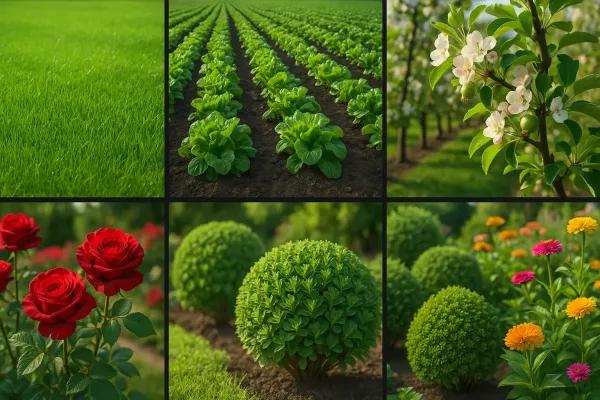
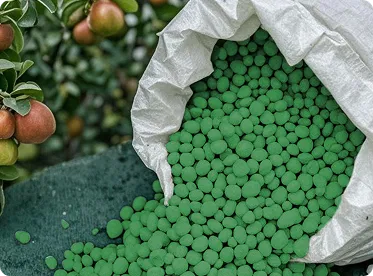
NPK 15-15-15 fertilizer uses for lawns vegetables fruit trees roses
Phosphorus is often less visible than nitrogen, but it has a crucial role in early growth. It helps root systems expand, supports energy movement within the plant, and encourages strong root development. This is why growers often focus on phosphorus at transplanting, early establishment, and reproductive transition.
I often explain it this way: if nitrogen helps build the top of the plant, phosphorus helps build the foundation. Strong plant roots improve plant uptake, support early vigor, and help crops use water and nutrients more efficiently from the soil. This nutrient also supports flower and fruit formation, which is vital for many fruit-bearing plants.
A weak p supply may lead to stunted growth, delayed maturity, or weak root growth. In many crops, phosphorus becomes especially important during the shift from vegetative growth to flower initiation. That is why many growers adjust ratios based on plant needs and growth stage.
Potassium is often described as the quality nutrient, and that is a useful way to think about it. While nitrogen builds growth and phosphorus supports energy and roots, potassium helps regulate water, strengthen tissues, and improve stress tolerance. It supports overall plant health in a broad, practical way.
This nutrient is closely linked with disease resistance, water balance, and crop quality. Plants with adequate potassium often handle drought, transport stress, and environmental pressure better than weakly fed crops. Potassium also supports fruit development, firmness, and market quality in many crops.
In practical field management, I see potassium become more important as crops move into reproductive stages. Flower formation, fruit fill, and later-season strength often depend heavily on this nutrient. That is why the right n and k or p and k balance can shape both yield and quality.
The right formula at planting is not always the right formula later. The ratio varies because plants use nutrients differently at each growth stage. This is one of the most important lessons in understanding npk.
During early growth, many crops need support for root systems and establishment. That often means a formula with enough phosphorus to enhance root development. During vegetative growth, higher nitrogen may be helpful to support leaf and stem development. Later, during flower and fruit production, potassium usually becomes more important.
Here is a simple stage guide:
| Growth stage | Main nutrient focus | Why it matters |
|---|---|---|
| Early establishment | Nitrogen and phosphorus | Strong start and root development |
| Vegetative growth | Nitrogen | Leaf and stem expansion |
| Bud and flower stage | Phosphorus and potassium | Flower support and energy transfer |
| Fruit development | Potassium | Quality, strength, and water balance |
This does not mean every crop follows the exact same formula. Different plants, soil conditions, and production goals all matter. But the general rule is simple: match the right npk to the stage of growth.
Even the best fertilizer formula can underperform if the soil already has an imbalance. That is why soil testing is one of the smartest tools in nutrient management. It shows nutrient availability, helps prevent nutrient waste, and gives a clearer picture of soil fertility before application begins.
Good soil testing can reveal low phosphorus, poor potassium reserves, low organic matter, or hidden nutrient deficiencies. It also helps growers avoid overfeeding. In many cases, you can reduce fertilizer waste and still improve crop performance simply by matching the product to the soil nutrient condition.
I always advise serious buyers and farm managers to think of fertilizer application as a system, not just a product purchase. Soil conditions, irrigation, environmental factors, crop type, and yield target all influence how plants benefit from feeding. When growers understand the soil, they make better feeding decisions.
When plants do not receive the essential plant nutrients they need, growth slows and performance drops. The symptoms vary, but the cost is real. Nutrient deficiencies can reduce leaf size, weaken plant stems, slow root growth, reduce flower count, and lower crop yields.
A lack of nitrogen often shows up as yellowing leaves and weak growth. Low phosphorus may reduce root development and delay maturity. Low potassium can weaken stress tolerance and reduce disease resistance. These problems often overlap, which makes careful diagnosis important.
Here is a quick symptom chart:
| Deficiency | Common field sign | Likely impact |
|---|---|---|
| Nitrogen deficiency | Yellow leaves, slow growth | Less vegetative growth |
| Phosphorus deficiency | Weak roots, delayed development | Poor establishment |
| Potassium deficiency | Weak edges, poor stress handling | Lower quality and resilience |
The longer these issues continue, the more the overall plant suffers. Good feeding does not only fix visible symptoms. It supports the whole metabolic system of the crop.
The best answer always starts with the crop. Different plants have different nutrient demand patterns. Leafy vegetables, grain crops, fruit-bearing plants, and plantation crops do not all respond the same way to the same formula. That is why a specific ratio should fit the type of plant and the needs of the plants.
For example:
Leafy crops often respond well to more nitrogen
Root crops often benefit from stronger phosphorus support
Fruit-bearing plants usually need more potassium during reproductive stages
Field crops may require balanced feeding based on yield goals and local soil
This is where professional supply support matters. As a fertilizer manufacturer working with B2B buyers, I know that distributors and OEM clients need more than a bag of product. They need product positioning, stable quality, and clear guidance. The proper npk choice should fit the crop, the market, and the application practice.
A smart nutrient plan does two things at once. First, it helps plants grow well now. Second, it supports better long-term management of the soil. When growers apply the right product in the right amount, they support crop yields without creating unnecessary waste or imbalance.
Proper npk use helps plants absorb water and nutrients more efficiently, improves plant development, and reduces the risk of prevent nutrient loss through poor management. It also works better when supported by trace elements, calcium, and sound organic matter management. In other words, npk is the core, but not the whole story.
In real commercial agriculture, strong nutrition programs create visible results:
More even crop stands
Better root growth
Stronger flower and fruit set
Better stress tolerance
More stable yields across seasons
This is why serious commercial growers and project buyers do not treat fertilizer as a commodity alone. They treat it as an input that shapes performance, quality, and return.
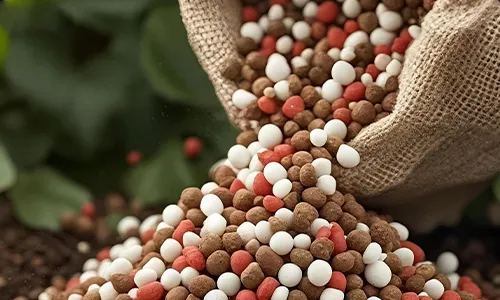
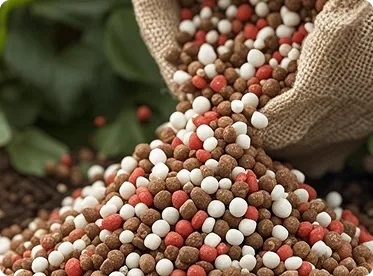
Custom NPK 20-20-20 Formulations and OEM Private Label
One distributor we supported was supplying mixed vegetable growers in a region with variable soil conditions. Their customers had been using one generic formula for everything. The result was uneven growth, weak roots in some crops, and poor fruit quality in others.
After adjusting formulas based on plant growth stages and local soil testing, the growers used a more balanced approach. Early-stage crops received stronger root-focused support. Later-stage crops received better potassium support for flower and fruit performance. The change was simple, but the results improved. Plants looked stronger, crop quality became more stable, and the distributor had a better value story to offer.
For me, this is the real effect of npk. It is not abstract. It shows up in the field.
What does NPK stand for in fertilizer?
NPK stands for nitrogen, phosphorus, and potassium, the three primary macronutrients required by plants for growth and development.
Why is NPK fertilizer important for plants?
NPK fertilizer is important because it provides essential nutrients that support root development, vegetative growth, flowering, fruit development, and overall plant health.
How do I choose the right NPK ratio?
Choose the right npk based on the crop, the stage of growth, soil conditions, and yield goals. Soil testing is one of the best starting points.
Can too much nitrogen hurt plants?
Yes. Too much nitrogen can push weak, overly soft growth, create imbalance with other nutrients, and sometimes reduce crop quality.
Does potassium help plants resist stress?
Yes. Potassium helps regulate water, supports stronger tissues, and improves disease resistance and stress tolerance.
Is phosphorus only important at planting?
No. Phosphorus is especially important early, but it also supports energy transfer, flower formation, and continued plant development later in the cycle.
The role of npk in plant growth and development is both simple and powerful. Plants need balanced feeding, and the three core nutrients each play a key role in helping crops establish, grow, and produce well. When growers match the formula to the crop and the growth stage, results improve.
As a leading manufacturer and exporter of high-quality fertilizer products based in China, I believe strong fertilizer solutions should do more than supply nutrients. They should help distributors win trust, help farmers achieve better field performance, help government and NGO projects reach practical outcomes, and help OEM fertilizer brands build dependable product lines. That is where real value begins.
NPK means nitrogen, phosphorus, and potassium
These three macronutrients are essential plant nutrients
Nitrogen mainly supports leaf and stem growth
Phosphorus enhances root development and supports flower formation
Potassium improves plant health, water regulation, and disease resistance
The best npk ratio depends on crop type, soil, and growth stage
Soil testing helps match fertilizer application to real field conditions
Proper nutrient management supports better crop yields and stronger long-term soil fertility