Avoid your inquiry is delay response, please enter your WhatsApp/Skype along with the message, so we can contact you at the very first time.
We will reply you within 24 hours. If for urgent case, please add WhatsApp/WeChat:
Warning: Undefined variable $public in /www/wwwroot/lvfertilizer.com/wp-content/themes/hyhadmin/header.php on line 350
Warning: Trying to access array offset on value of type null in /www/wwwroot/lvfertilizer.com/wp-content/themes/hyhadmin/header.php on line 350
,. Or call
Warning: Undefined variable $public in /www/wwwroot/lvfertilizer.com/wp-content/themes/hyhadmin/header.php on line 350
Warning: Trying to access array offset on value of type null in /www/wwwroot/lvfertilizer.com/wp-content/themes/hyhadmin/header.php on line 350
directly.
Problem: Many growers and buyers see similar numbers on fertilizer bags and assume they work the same.
Agitate: Choosing the wrong fertilizer can quietly reduce yields, waste money, and even damage soil health.
Solution: This guide clearly explains the real difference between NPK 19-19-19 and 20-20-20, so you can choose the right fertilizer with confidence.
Short answer: The difference between NPK 19-19-19 and NPK 20-20-20 fertilizer lies in nutrient concentration. Both are balanced npk fertilizers, but 20-20-20 delivers slightly more nitrogen, phosphorus, and potassium per unit, making it stronger and faster-acting, while 19-19-19 fertilizer offers gentler, more flexible feeding across crops and growth stages.
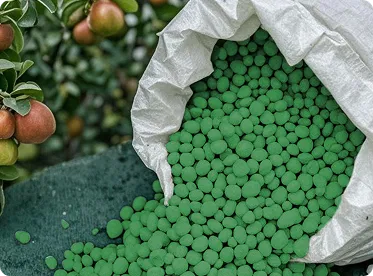
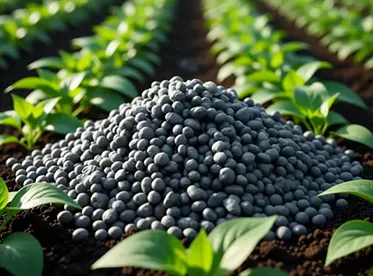
Application of NPK 19-19-19 in intensive vegetable production
In this article, I’ll walk you through:
What NPK numbers really mean
How npk ratios affect crops, lawns, and soil
When to use 19-19-19 vs 20-20-20
Practical fertilizer applications from real export and field experience
As a leading manufacturer and exporter of high-quality fertilizer products based in China, I work daily with agricultural distributors, commercial farms, government projects, and fertilizer brand owners (OEM). These are the exact questions they ask before placing bulk orders.
The numbers on fertilizer labels always follow the same rule: N-P-K.
Nitrogen (N) – supports green color and leaf growth
Phosphorus (P) – supports root growth and bloom
Potassium (K) – improves overall plant health and stress resistance
These three are essential nutrients and key macronutrient inputs for almost all crops.
For example:
NPK 19-19-19 means 19% nitrogen, 19% phosphorus, 19% potassium
20-20-20 fertilizer means each nutrient is at 20%
Though the difference looks small, it matters in fertilizer applications, especially at scale.
NPK is the foundation of modern fertilizer and fertiliser programs worldwide.
Balanced npk fertilizers are often used as:
All-purpose plant food
Starter fertilizer
Base feeding for lawns, crops, and trees
Because npk directly affects plant development, even a 1% change can influence results over time, especially when applying a 50-pound bag or more per hectare.
As a manufacturer, we always remind buyers: fertilizer and plant performance are directly linked.
Yes. NPK 19-19-19 is a classic balanced fertilizer.
It delivers equal amounts of nitrogen, phosphorus, and potassium, making it ideal for:
Early stages of plant
Plants at various growth stages
A variety of plants, including vegetables, flowers, and lawn
Because it is slightly milder than 20-20-20, 19-19-19 fertilizer reduces the risk of over-fertilization, especially for tender plants.
👉 Many importers position npk 19-19-19 as a safe, all-around solution for mixed markets.
20-20-20 contains bigger numbers—and that means higher nutrient density.
In practice:
Promotes faster growth
Boosts green color quickly
Supports strong root system and rapid plant growth
However, because it supplies higher amounts of nitrogen, it requires more precise dosing, especially on lawn and garden crops.
For commercial farms and cooperatives, 20-20-20 fertilizer is often used when:
Crops need quick nutrient correction
Soil test results show deficiencies
Intensive production demands higher inputs
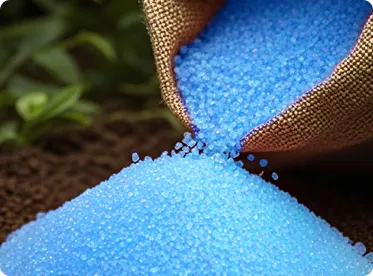
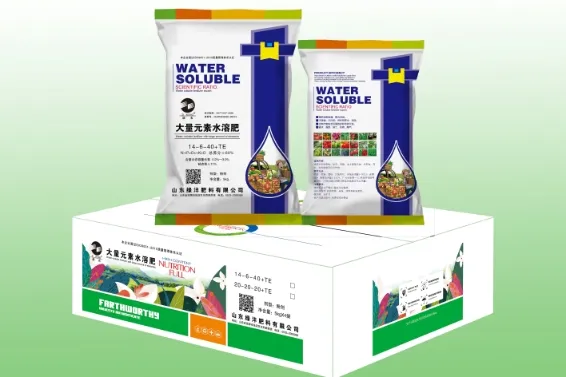
Water-Soluble NPK 20-20-20 for Greenhouses and Drip Irrigation
From a technical view, both share the same npk ratios (1:1:1).
The real difference is concentration, not proportion.
| Fertilizer Type | Nitrogen | Phosphorus | Potassium | Typical Use |
| 19-19-19 | 19% | 19% | 19% | General, flexible feeding |
| 20-20-20 | 20% | 20% | 20% | Fast response, high demand |
For fertilizer brand owners, this small difference can define product positioning and pricing in different regions.
When it comes to lawn fertilizer, both options work—but context matters.
You are feeding your lawn regularly
Soil health is a concern
Grass type is sensitive
Lawn shows pale green color
Growth is slow
You need quick recovery after stress
Always consider a soil test and consult a local cooperative extension when planning long-term lawn and garden programs.
Both 19-19-19 and 20-20-20 come in:
Granular
Slow-release blends
Granular products are common for lawn and garden, while liquid forms are popular for fertilizer applications in greenhouses and high-value crops.
As an exporter, we often customize:
Fertilizer mix
Release profile
Packaging for distributors and NGOs
This flexibility is critical for government & NGO agricultural projects.
This is a frequent question.
Organic fertilizer improves soil health and microbial life, but it usually has:
Lower nutrient concentration
Slower nutrient release
NPK fertilizers like 19-19-19 and 20-20-20 provide predictable nutrition.
In practice, many farms combine:
Fertilizers and organic inputs
Mineral fertilizer for yield
Organic matter for soil health
This integrated approach delivers long-term sustainability.
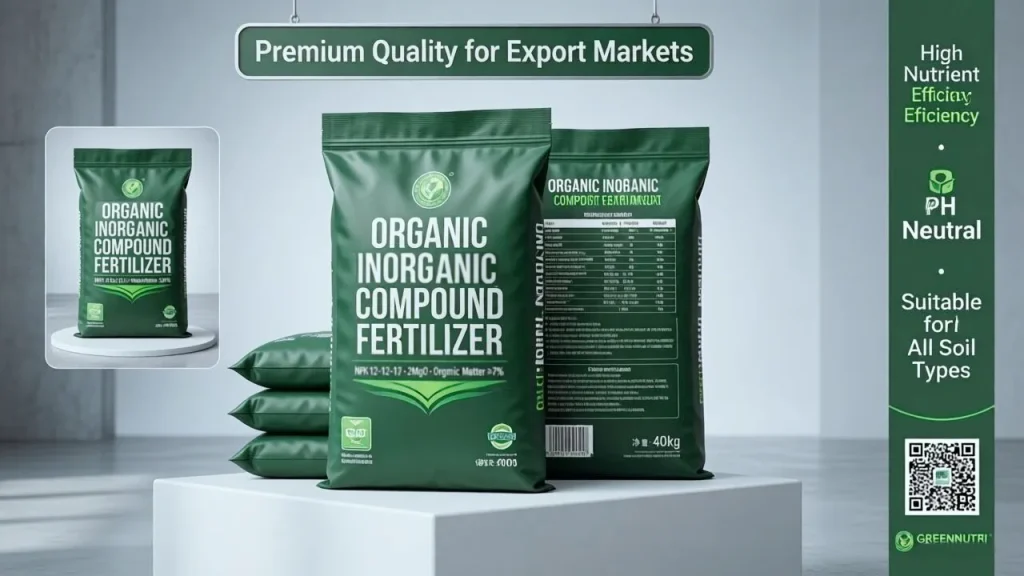
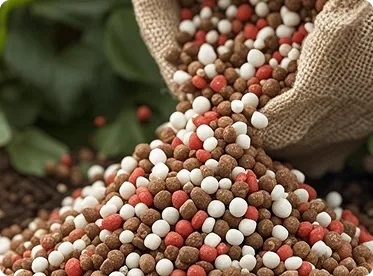
Organic-Inorganic Compound Fertilizer
Different crops respond differently based on type of plant and growth stage.
Flowering plants benefit from balanced feeding before bloom
Trees and shrubs prefer steady nutrient supply
Crops in early stages of growth need nitrogen and phosphorus
Root crops benefit from strong root development
That’s why choose the right fertilizer always depends on specific plant types and production goals.
From my experience supplying agricultural distributors & importers:
19-19-19 → safer, broader market appeal
20-20-20 → performance-driven, professional users
Many OEM clients request both grades to cover:
Retail channels
Commercial farming
Export diversification
If you’re building a fertilizer line, offering both is often the best strategy.
Yes. It contains slightly higher pounds of nitrogen, pounds of phosphorus, and pounds of potassium per unit.
Yes. It is widely used as an all-purpose fertilizer across crops and lawns.
No. Too much fertilizer can cause over-fertilization and harm plants.
Both work. Choose based on grass condition, type of grass, and feeding schedule.
Yes. A soil test helps match fertilizer to real nutrient needs.
NPK 19-19-19 and 20-20-20 fertilizer share the same balanced ratio
The real difference is nutrient concentration
19-19-19 fertilizer is gentler and more flexible
20-20-20 delivers faster results but needs precision
The best fertilizer depends on crop, soil, and growth stage
If you’re sourcing fertilizer in bulk, developing a private label, or supplying large-scale agricultural projects, understanding these differences helps you make smarter, more profitable decisions.