Avoid your inquiry is delay response, please enter your WhatsApp/Skype along with the message, so we can contact you at the very first time.
We will reply you within 24 hours. If for urgent case, please add WhatsApp/WeChat:
Warning: Undefined variable $public in /www/wwwroot/lvfertilizer.com/wp-content/themes/hyhadmin/header.php on line 350
Warning: Trying to access array offset on value of type null in /www/wwwroot/lvfertilizer.com/wp-content/themes/hyhadmin/header.php on line 350
,. Or call
Warning: Undefined variable $public in /www/wwwroot/lvfertilizer.com/wp-content/themes/hyhadmin/header.php on line 350
Warning: Trying to access array offset on value of type null in /www/wwwroot/lvfertilizer.com/wp-content/themes/hyhadmin/header.php on line 350
directly.
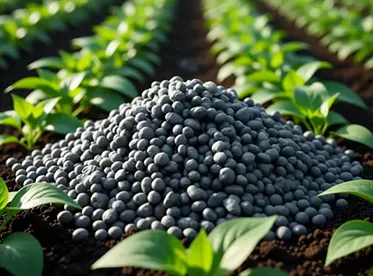
You want one fertilizer that works for “everything,” but plants don’t all eat the same way. The wrong product can push too much nitrogen, burn house plants, or give leafy growth with weak root growth and fewer flowers and fruit. Solution: I’ll show you a simple, safe way to pick a “good general” best fertilizer—and how we help B2B buyers build reliable, export-ready fertilizer lines for many crops.
There is no single fertilizer that is perfect for all plants, but a balanced N-P-K product (often like 10-10-10 or a similar n-p-k ratio) is the best “good general” choice for many gardens when used correctly. Start with a soil test when possible, then match plant needs: more nitrogen for leafy growth, and more phosphorus and potassium for roots, flowers, and fruit. Use slow-release or compost-based options to reduce risk.
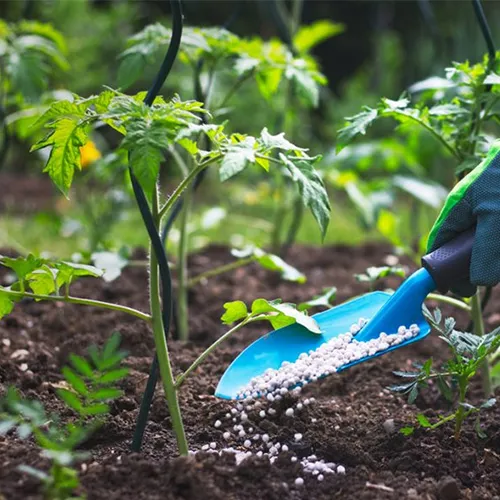
soil application
What does “best fertilizer for all plants” really mean?
NPK basics: what the three numbers on fertilizer tell you
Is 10-10-10 the best “good general” fertilizer?
Organic fertilizer vs inorganic fertilizers: which is safer for mixed gardens?
How a soil test helps you choose the best fertilizer fast
What do plants need most—nitrogen, phosphorus, or potassium?
Best fertilizer for vegetable crops vs fruit and flowers
Liquid fertilizer vs granular vs slow-release fertilizers
Common fertilizing mistakes: too much nitrogen, burn, and poor plant growth
A simple fertilizing plan for indoor plants and outdoor gardens + FAQs
When people ask me, “Which fertilizer is best for all plants?” they usually want one product they can buy in bulk and use for a vegetable garden, house plants, flower beds, and even small orchards. I get it. As a fertilizer manufacturer and exporter, we hear the same question from distributors, farm groups, and fertilizer brand owners planning private-label plant fertilizer.
But plants have different plant needs. A leafy crop wants more nitrogen during active growth. A flowering crop often needs stronger phosphorus support and enough potassium for quality and stress tolerance. That’s why the best “all-purpose” product is really a balanced starting point—not a magic formula.
So here’s the promise of this guide: you’ll learn a safe “good general” approach that works across many crops, and you’ll know exactly when to adjust.
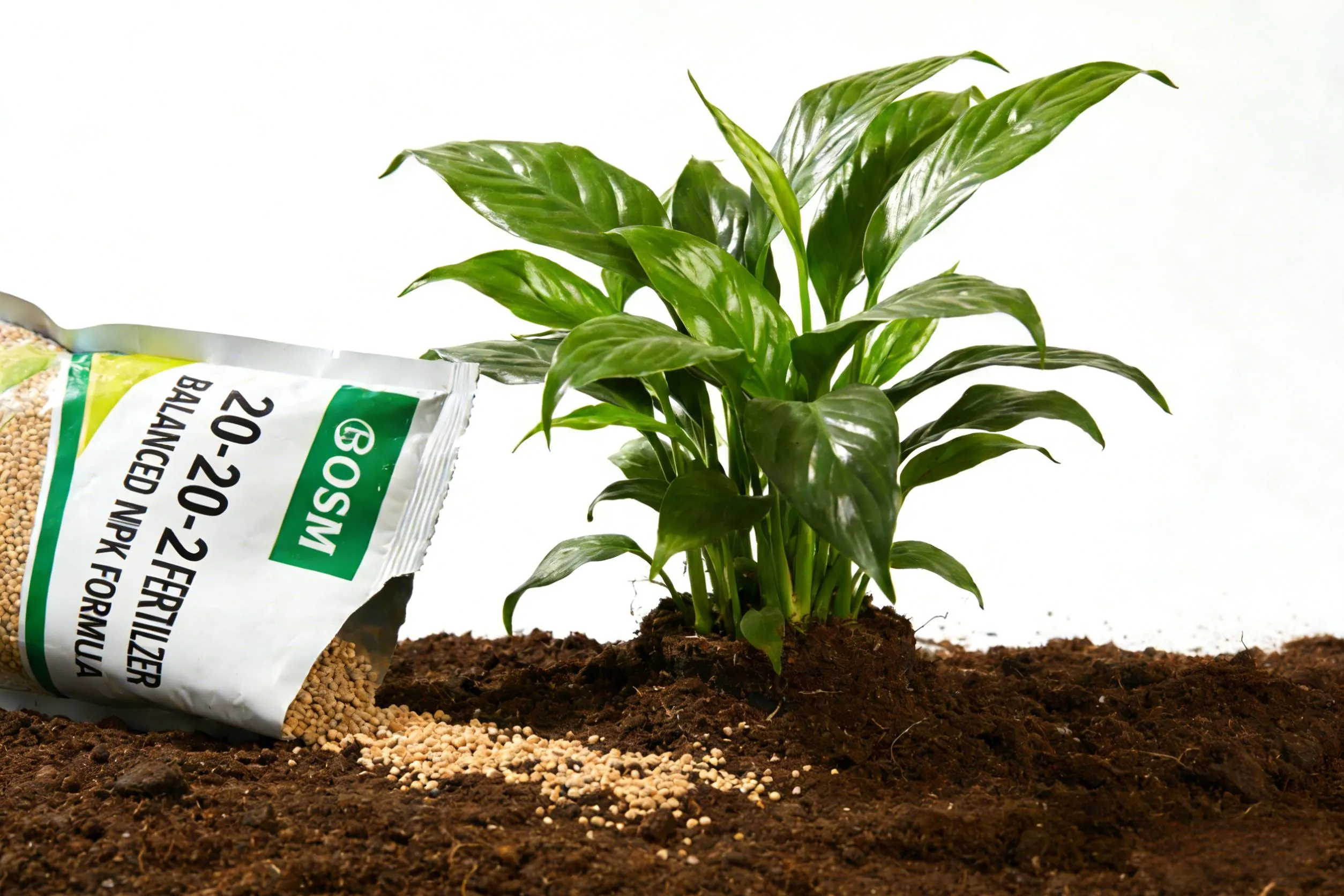
The three numbers on fertilizer (for example 10-10-10) show the percentage of primary nutrients: nitrogen, phosphorus, and potassium. This is the fastest way to compare types of fertilizers in a garden center or B2B catalog.
Nitrogen supports leafy growth and green color
Phosphorus supports root growth, early establishment, and flowering
Potassium supports overall strength, water balance, and quality of fruit
These are macronutrients. Many good products also include micronutrient items like magnesium and calcium that help keep a healthy plant.
As a manufacturer, we always remind bulk buyers: one fertilizer can cover many uses if the ratio is balanced and the application is controlled. That’s why balanced N-P-K is so popular in retail and distribution.
A balanced product like 10-10-10 is a classic good general choice because it delivers equal parts nitrogen, phosphorus, and potassium. For many growers who can’t run a soil test every time, it’s a reasonable “one bag does most jobs” option.
That said, it’s not perfect for every plant. For example:
Leafy greens may benefit from more nitrogen during rapid growth
Bloom-heavy crops might need a different balance of phosphorus and potassium
Some indoor plants are sensitive and do better with lower strength or controlled release
So I call 10-10-10 a “safe middle.” It’s often the best fertilizer when you need one product to support general plant growth and you plan to apply carefully.
Quick reality check: The best “all plants” fertilizer is the one you won’t overuse. Too much fertilizer causes stress and waste.
Many buyers ask whether organic fertilizer is safer than inorganic fertilizers. For mixed-use gardens, organic options can feel more forgiving because they often release nutrients more slowly and improve organic matter.
Common organic sources include:
Compost
Manure (including cow manure)
Bone meal
Fish fertilizer
Organic products can help soil structure, especially in sandy soils, and can support long-term healthy growth. But they can vary in nutrient content, and manure must be managed carefully for safety and consistency.
Inorganic fertilizers (also called synthetic) are more precise. They often deliver faster results and are easier to dose accurately—useful for commercial farms and professional programs. But they can burn plants if used incorrectly.
My practical advice: For a true “fertilizer for every” situation, many distributors carry both:
A balanced inorganic garden fertilizer for predictable results
An organic line (compost-based or pellet) for soil building and gentle feeding
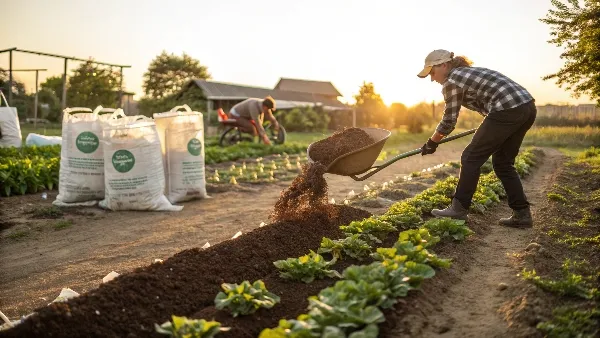
organic fertilizer application
If you want the most reliable answer, start with a soil test. It’s the fastest way to avoid guesswork and prevent applying much fertilizer that the soil doesn’t need.
A simple soil test report can tell you:
Whether your soil already has enough phosphorus or potassium
If pH issues may block nutrient uptake
Whether you need more calcium or magnesium
How much nitrogen is likely needed during the growing season
If you’re working with farms, cooperatives, or public projects, soil testing becomes even more important. Many buyers also use local advisory services—your county extension or local extension office often provides clear guidance on soil test results and fertilizer rates.
Plants always need multiple nutrients, but priorities change with growth stage and crop type. If you “overfeed” the wrong thing, you get poor performance.
Nitrogen drives green, leafy growth. It’s useful for lawns, leafy vegetables, and early crop establishment. But much nitrogen can cause fast soft growth and weaker roots. It may also reduce flowering and fruit set.
Phosphorus and potassium become more important for:
Root development (especially early)
Flowering stage
Fruit fill and quality
Stress tolerance in heat, drought, and disease pressure
Even with correct N-P-K, a plant may struggle without calcium and magnesium. These support structure and photosynthesis. A small dose of micronutrient can also help.
As a manufacturer, we design “general” fertilizer blends that include a smart nutrient package for broad crop use—especially for distributors who serve multiple farm types.
A “one fertilizer” approach works best when you understand what changes between a vegetable crop and a fruiting crop.
In a vegetable garden, leafy crops often respond quickly to nitrogen. Root crops need balanced feeding to avoid too much leaf growth and weak roots. A balanced npk product is a safe default—especially early.
Fruit-focused plants often need:
Strong roots early (phosphorus)
Balanced leaf growth (controlled nitrogen)
Enough potassium for fruit size and quality
Flowers often do better when you avoid excess nitrogen and keep a steady nutrient supply. A slow-release option can help keep bloom performance stable.
If you’re an importer or distributor, you can also simplify your SKU list:
One balanced “general” fertilizer
One growth booster (higher nitrogen)
One bloom/fruit support blend (higher P/K)
That’s a clean product strategy for many markets.
The “best fertilizer” is also about form—not just nutrients.
A liquid fertilizer is quick and easy. It works well when plants need a fast boost. But you must measure carefully to avoid burn, especially for house plants.
A granular or pellet fertilizer is easy for gardens and many outdoor programs. It’s stable, easy to store, and can be applied less frequently.
Slow-release and slow-release fertilizers (steady feeding)
Slow-release products feed over time. That helps reduce peaks and reduces the risk of overfeeding. Many professional users like slow-release fertilizers for consistent healthy growth, especially across a long growing season.
Rule of thumb table
| Need | Best form | Why it fits |
|---|---|---|
| Quick green-up | liquid fertilizer | nutrients available fast |
| General garden feeding | granular fertilizers | simple, predictable |
| Low-risk long-term feeding | slow-release fertilizers | steady nutrients over time |
| Soil improvement | compost / organic matter | supports structure and biology |
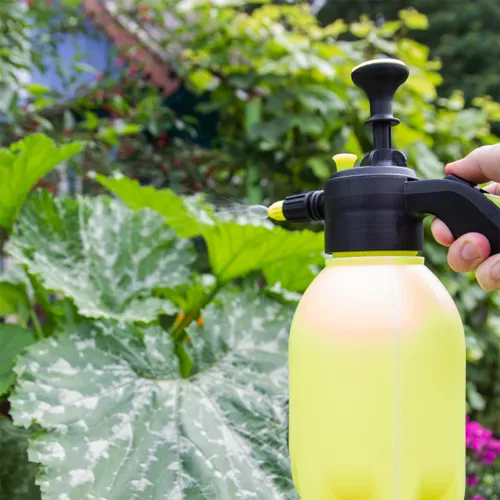
Here are the mistakes we see most often across many markets:
Using too much fertilizer: more isn’t better. Excess salt can stress plants.
Too much nitrogen: fast leafy growth, weak roots, fewer flowers and fruit.
Ignoring water and timing: fertilizing when soil is dry can burn roots.
No soil test: you may apply nutrients that aren’t needed.
Forgetting micronutrients: lack of magnesium or calcium can limit growth even with good N-P-K.
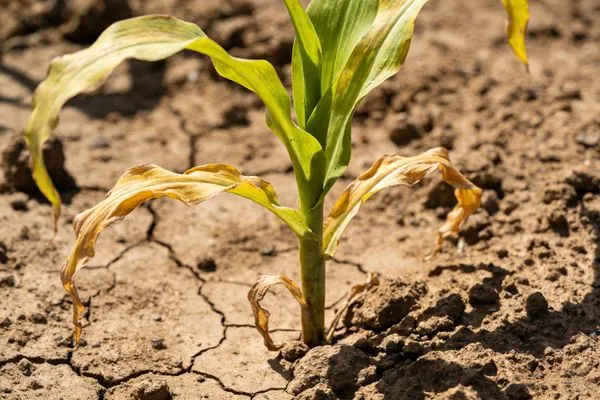
Simple safe method: fertilize lightly, then observe. Plants tell you a lot. Yellowing, slow growth, and weak stems can point to nutrient gaps—while dark, soft growth can mean too much nitrogen.
If you truly want one approach that works for almost everything, here’s the plan I recommend:
Choose a balanced fertilizer (like 10-10-10 or similar balanced n-p-k). This supports overall plant nutrients without pushing one side too hard.
During the growing season, feed when plants are actively growing
Avoid heavy feeding during extreme heat or drought
Water first when soil is very dry
If you want leafy growth, consider slightly more nitrogen
If you want flowering and fruit, ensure enough phosphorus and potassium
If you see deficiency signs, consider a micronutrient supplement
Adding compost improves soil and supports long-term health. Many growers combine compost with a balanced fertilizer for strong results.
Mini case study (B2B perspective):
A distributor serving both small farms and retail garden centers simplified their program to three SKUs: a balanced general fertilizer, an organic fertilizer option, and a slow-release product. They reduced returns and complaints because buyers could match the product to plant needs without confusion. That’s a strategy we support often for private label clients.
Which fertilizer is best for all plants?
No single fertilizer is perfect for all plants, but a balanced fertilizer with equal N-P-K is often the best general choice when applied carefully.
Is 10-10-10 good for vegetables?
Yes, 10-10-10 can work well as a general starter for many vegetable crops, especially when you don’t have a soil test. Adjust if leafy growth is too strong or fruiting is weak.
Is organic fertilizer better than chemical fertilizer?
Organic fertilizer helps build soil and can be gentler, but inorganic fertilizers are more precise. Many growers use both: compost for soil health and measured NPK for performance.
How often should I fertilize?
It depends on plant type, soil, and product form. Slow-release products last longer, while liquid fertilizer is used more often in small doses.
Can too much nitrogen harm plants?
Yes. Too much nitrogen can cause soft growth, poor flowering, and weaker roots. It can also increase disease risk.
Do I really need a soil test?
A soil test is the fastest way to avoid waste and choose the best fertilizer correctly. It’s especially valuable for farms, cooperatives, and project-based growing.
There is no perfect one-size-fits-all fertilizer, but a balanced npk product is the safest “good general” choice.
Read the three numbers on fertilizer and match plant needs.
Use compost to add organic matter and support long-term soil health.
Use slow-release fertilizers when you want steady feeding and lower risk.
Avoid too much nitrogen—it can harm flowering, fruiting, and root development.
When possible, start with a soil test to guide smart fertilizing decisions.
If you want, tell me your main market (retail garden, commercial farms, or OEM brand) and your top crop types. I can turn this into a clean product matrix (3–5 SKUs) that distributors can sell easily—plus label-friendly talking points for your catalog.