Avoid your inquiry is delay response, please enter your WhatsApp/Skype along with the message, so we can contact you at the very first time.
We will reply you within 24 hours. If for urgent case, please add WhatsApp/WeChat:
Warning: Undefined variable $public in /www/wwwroot/lvfertilizer.com/wp-content/themes/hyhadmin/header.php on line 350
Warning: Trying to access array offset on value of type null in /www/wwwroot/lvfertilizer.com/wp-content/themes/hyhadmin/header.php on line 350
,. Or call
Warning: Undefined variable $public in /www/wwwroot/lvfertilizer.com/wp-content/themes/hyhadmin/header.php on line 350
Warning: Trying to access array offset on value of type null in /www/wwwroot/lvfertilizer.com/wp-content/themes/hyhadmin/header.php on line 350
directly.
Choosing the wrong NPK fertilizer can waste money, weaken soil, and leave crops looking tired. Many growers are unsure whether 19-19-19 or 20-20-20 is the smarter choice. The problem gets worse as input prices rise. Let’s break it down simply and find a clear, practical answer.
In practice, neither NPK 19-19-19 nor NPK 20-20-20 is universally “better.” Both are balanced fertilizer formulas that contain equal parts nitrogen, phosphorus, and potassium. NPK 20-20-20 is slightly more concentrated, while 19-19-19 can be easier to dose. The right choice depends on crop type, soil test, and application method.
On any fertilizer bag, you see three numbers. These three numbers show the NPK ratio: the percentage of N (nitrogen), P (phosphorus), and K (potassium). In 19-19-19 and 20-20-20, the ratio is equal, so each macronutrient makes up the same share of the product.
In both cases, the middle number represents phosphorus (often coming from phosphate or ammonium phosphate sources). You may also see “phosphorus” written as phosphorous in some guides, but it refers to the same element.
These three essential nutrients support:
So both 19-19-19 and 20-20-20 are well-rounded NPK choices designed for uniform growth.
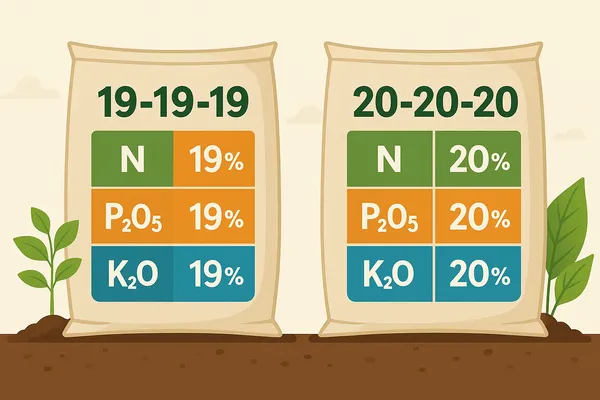
NPK 19-19-19 VS NPK 20-20-20
When you apply NPK fertilizer, you are feeding both the plant and the soil system. The granules dissolve in water, releasing nutrients that roots absorb. Good nutrient supply to plants supports every stage of growth and overall plant development.
Inside the soil:
In the plant:
Balanced NPK formulas like 19-19-19 and 20-20-20 improve plant health, leading to stronger stems, better roots, and steadier crop performance across the season.
Now to the big question: is there a pro and con for each?
From a chemistry viewpoint, the only real difference is concentration:
| Feature | NPK 19-19-19 | NPK 20-20-20 |
| NPK numbers | 19-19-19 | 20-20-20 |
| Total N+P+K per 100 kg | 57 kg | 60 kg |
| Relative strength | Slightly lower | Slightly higher |
| Risk of much nitrogen | Slightly lower at same dose | Slightly higher if over-applied |
When people ask which is better, the answer is simple:
Use NPK 19-19-19 when you want gentler feeding and easy measuring.
Use NPK 20-20-20 when you want a slightly stronger boost and precise control over dosing.
For most growers, both behave like NPK twins. Good timing, correct rate, and proper fertilization matter far more than whether the bag says 19 or 20.
NPK 19-19-19 works well when you want steady, controlled feeding for many types of crop:
Because the fertilizer is slightly less concentrated, it is more forgiving if a worker uses a little too much. This can help avoid salt stress and lead to nutrient imbalances in sensitive soils.
Typical use cases:
In these cases, 19-19-19 is a choice for farmers who value safety and consistency more than maximum strength.
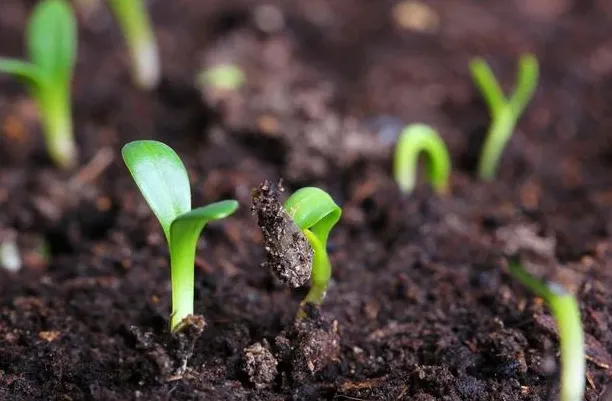
NPK 19-19-19 for Field crops in early establishment
NPK 20-20-20 is often sold as a premium water soluble formula for fertigation and foliar feeding. It shines when you want:
Example uses:
Because 20-20-20 contains slightly more nutrient per kilo, growers often use it in controlled systems where they can fine-tune nutrient levels in solution.
A simple pro tip: if your irrigation system is accurate and workers are trained, 20-20-20 can deliver quicker results. If not, stick to gentler formulas.
Both 19-19-19 and 20-20-20 supply plenty of phosphorus, often coming from ammonium phosphate sources in chemical fertilizer blends. Phosphorus and phosphate forms are vital for:
During early growth, enough phosphorus helps crop roots explore the soil, drawing in more water and nutrients. Later, it supports energy transfer for buds, bloom, and setting pods or fruit.
Some growers also add humic substances or other organic inputs to help phosphorus stay available in the soil. This mix of organic and chemical sources can support long-term soil structure and soil health, not only quick plant feeding.
You can normally buy these NPK formulas as granular products or as fully soluble powders:
Water-soluble 20-20-20 is designed to dissolve quicker and move easily through systems. It is often used as:
Granular 19-19-19 and 20-20-20 work well in large-scale field agriculture where equipment spreads dry fertilizer. In both cases, adding some organic matter over time keeps soils from depending only on chemical inputs.
Growers often compare 19-19-19 and 20-20-20 to classic formulas like 10-10-10 or 1-1-1 (another way to show an equal NPK ratio).
In simple terms:
Many organic or “slow-release” blends also aim at a well-rounded NPK balance, but with different release curves. Whether you choose mineral or organic sources, the goal is:
For long-term projects, mixing organic inputs with modern NPK products gives a stable base: quick feeding now, and a richer soil over time.
Both 19-19-19 and 20-20-20 fertilizer are powerful tools. Used well, they support plant health and crop health. Used poorly, they can lead to nutrient imbalances and weaker plants.
Keep these points in mind:
Good programs:
Remember, NPK formulas like 19-19-19 and 20-20-20 are tools. Real success comes from correct timing, placement, and integration with organic matter, water, and crop planning.
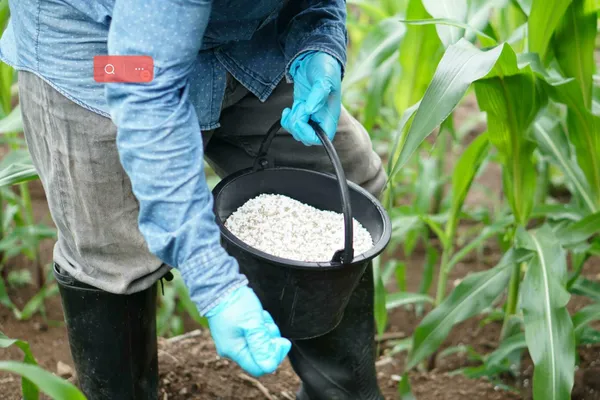
Practical tips for fertilization
To tie everything together, here are simple explanations behind many terms you see on a NPK fertilizer label or guide. This section is also helpful if you coach new staff:
These ideas all point toward one aim: ensuring that plants receive a steady, well-rounded nutrient supply so they grow stronger and stay healthier.
We are a professional stainless steel manufacturer and exporter based in China, working every day with:
Because we serve so many partners in agriculture and fertilizer handling, we see first-hand how NPK 19-19-19, 20-20-20, and similar blends move from factory, to silo, to field. That experience helps us design stainless steel solutions that:
If you are planning a new NPK production line, storage terminal, or fertigation system, we can support both sides: chemical compatibility of the metal, and practical understanding of how fertilizer flows, settles, and is applied.
When your steel equipment and your NPK program work together, your whole operation becomes more efficient and reliable.
Feel free to reach out if you need custom stainless steel tanks, pipes, or components designed around NPK 19-19-19, 20-20-20, or other balanced blends.
Is NPK 20-20-20 always better than 19-19-19?
No. The npk numbers are very close. 20-20-20 is slightly more concentrated, but both are good for general feeding. The “better” choice depends on your crop, soil, and how accurately you can dose the fertilizer.
Can I switch between 19-19-19 and 20-20-20 in the same season?
Yes, most growers can switch with no problem. Just adjust your application rate a little. Because 20-20-20 is stronger, you usually apply a slightly smaller amount to supply the same total nutrient.
Is 19-19-19 or 20-20-20 good for fruit trees and vegetables?
Both can work well during early plant growth and canopy build-up. Later, many growers change to NPK formulas richer in potassium to support fruit sizing and quality. Always base your plan on soil and leaf tests.
Is 19-19-19 or 20-20-20 safe for flowers and lawns?
Yes, in the right dose. Many ornamental flower growers and turf managers use balanced NPK mixes for strong color and dense turf. Avoid over-application, especially in hot weather, and always water in granular fertilizer soon after spreading.
How does NPK 20-20-20 compare with lower analysis products like 10-10-10?
20-20-20 has about double the nutrient strength of 10-10-10. That means less product to haul and store, but also more care needed in measuring. Lower analysis blends such as 10-10-10 can be more forgiving for home gardens and small plots.
Can balanced NPK damage my soil in the long term?
Balanced NPK products will not harm soil health when used correctly and combined with organic inputs. Problems usually appear only when rates are too high or when fertilizer is the only source of nutrition year after year.
To wrap up, here are the most important things to remember about NPK 19-19-19 vs 20-20-20:
When your fertilizer, equipment, and project design all work together, your plants grow stronger, your agriculture projects run smoother, and your business becomes more profitable.