Avoid your inquiry is delay response, please enter your WhatsApp/Skype along with the message, so we can contact you at the very first time.
We will reply you within 24 hours. If for urgent case, please add WhatsApp/WeChat: ,. Or call directly.
Poor plant growth often starts with weak nitrogen supply. Leaves turn pale, yields drop, and buyers lose confidence. The solution is not always “more fertilizer.” The smarter answer is choosing the right organic nitrogen fertilizer for your soil, crop, timing, and market needs.
The best organic nitrogen fertilizer is the one that matches plant needs, soil condition, release speed, and certification requirements. Blood meal, feather meal, composted manure, fish-based liquid fertilizer, and blended organic products can all provide nitrogen, but each works differently. For farms, lawns, and B2B fertilizer projects, a balanced and reliable formulation is usually the safest choice.
1.What Is Organic Nitrogen Fertilizer and Why Does It Matter?
2.Why Do Plants Need Nitrogen During the Growing Season?
3.What Are the Signs of Nitrogen Deficiency in Plants?
4.What Are the Main Types of Organic Nitrogen Fertilizers?
5.Which Is the Best Organic Nitrogen Fertilizer for Farms and Lawn?
6.How Do Organic Nitrogen Fertilizers Improve Soil Health?
7.Organic and Synthetic Nitrogen Fertilizers: What Is the Difference?
8.How Should You Use Organic Nitrogen Fertilizers Safely?
9.Can Homemade Organic Nitrogen Fertilizers Work?
10.How Can Importers and Fertilizer Brands Choose a Reliable Supplier?
11.FAQs About Organic Nitrogen Fertilizer
12.Key Takeaways
Best Organic Nitrogen Fertilizer: How to Choose the Right Fertilizer for Crops, Lawn, and Organic Farming
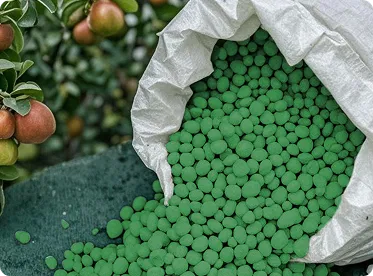
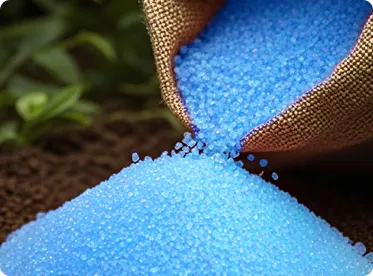
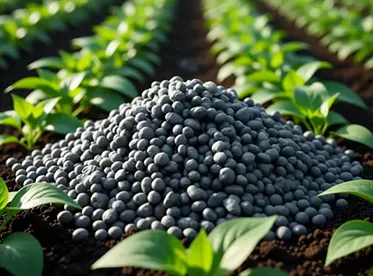
Organic nitrogen fertilizer is a fertilizer made from natural or organic material that can provide nitrogen to plants. Common organic nitrogen sources include blood meal, feather meal, composted manure, fish meal, liquid fish emulsion, alfalfa meal, soybean meal, and other plant or animal-based materials. These materials contain nitrogen in forms that soil microbes slowly convert into available nitrogen.
For farmers, distributors, and fertilizer brand owners, this matters because nitrogen is one of the most important nutrients for crop growth. It supports green leaves, strong stems, and active vegetative growth. When nitrogen levels are too low, crops may look weak. When nitrogen is too high, plants can grow too much leaf and not enough fruit, grain, or root mass.
As a leading manufacturer and exporter of high-quality fertilizer products based in China, we often help agricultural distributors, farm owners, cooperatives, government projects, and OEM fertilizer brands choose the right fertilizer formula. In real projects, the best result usually comes from matching the fertilizer to the crop, climate, soil type, growing season, and local buyer expectations.
For related sourcing options, you can explore our organic fertilizer product solutions and organic nitrogen fertilizer supply options.
Plants need nitrogen because it helps build chlorophyll, the green part of leaves that supports photosynthesis. In simple words, nitrogen helps plants turn sunlight into growth. That is why nitrogen fertilizers are often used during the active growing season, especially when crops need a strong nitrogen boost.
Nitrogen is also part of proteins and enzymes inside the plant. Without enough nutrient supply, plant growth becomes slow and uneven. Leafy vegetables, corn, wheat, rice, pasture grass, and turf lawn areas often need nitrogen at the right time to keep steady growth.
But nitrogen does not work alone. Crops also need phosphorus and potassium. Nitrogen supports leaf and stem growth. Phosphorus supports roots, flowering, and seed formation. Potassium helps stress resistance, water movement, and crop quality. A good fertilizer program considers nitrogen and phosphorus, phosphorus and potassium, trace elements, soil health, and plant needs together.
| Nutrient | Main Plant Role | Common Buyer Concern |
|---|---|---|
| Nitrogen | Leaf growth, green color, vegetative growth | Yellow leaves, weak growth, low yield |
| Phosphorus | Root growth, flowering, seed formation | Poor rooting, slow early growth |
| Potassium | Stress tolerance, quality, water balance | Weak stems, poor fruit quality |
| Organic Matter | Soil life, water holding, nutrient buffering | Poor soil structure, low long-term fertility |
The most common signs of nitrogen deficiency are pale green or yellow older leaves, slow growth, thin stems, and poor overall plant vigor. In many crops, older leaves show symptoms first because nitrogen can move inside the plant from older tissue to new growth.
Nitrogen deficiency in plants can appear in different ways depending on crop type. A lawn may lose its deep green color and look thin. Corn may show yellowing in a V-shape along the leaf. Vegetables may grow slowly and produce smaller leaves. Fruit crops may have weak shoot growth.
However, yellow leaves do not always mean a crop only needs nitrogen. Water stress, root damage, cold soil, disease, poor pH, and low available nitrogen can look similar. That is why professional growers and project buyers should combine visual checks with soil tests, leaf tests, and field history.
In our export projects, we often remind buyers: “Do not buy fertilizer only by NPK numbers. Buy according to soil results, crop stage, and the real problem in the field.”
There are different types of organic nitrogen fertilizers, and each has a different nitrogen content, release speed, and best use case. Some products release nitrogen quickly. Others release nitrogen slowly. Some are dry powders or granules. Others are organic liquid products for fertigation, foliar feeding, or quick correction.
Blood meal is high in nitrogen and often used when a fast nitrogen boost is needed. Feather meal is rich in nitrogen but usually works more slowly because microbes need time to break it down. Liquid fish emulsion is often used as a liquid organic nitrogen source for vegetables, seedlings, and quick feeding. Alfalfa meal, made from dried and ground alfalfa plants, usually provides moderate nitrogen and organic matter.
| Type of Organic Nitrogen | Typical Feature | Release Speed | Common Use |
|---|---|---|---|
| Blood meal | High nitrogen fertilizer material | Faster | Vegetables, field crops, quick correction |
| Feather meal | Higher nitrogen, slow-release organic material | Slow | Long-season crops, base dressing |
| Fish emulsion | Liquid fertilizer, easy to apply | Faster | Foliar, drip, seedlings |
| Alfalfa meal | Moderate nitrogen, plant-based | Medium | Soil improvement, organic gardens |
| Composted manure | Low nitrogen but adds organic matter | Slow | Soil building, broad farm use |
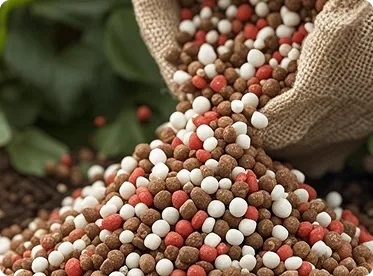
| Blended organic fertilizer | Balanced formula | Controlled by design | Farms, lawn, OEM brands, distributors |
A high-nitrogen organic fertilizer is useful when crops clearly need nitrogen, but it must be used carefully. Too much immediate nitrogen can burn plants, increase nitrogen loss, or create soft growth that is more sensitive to pests and disease.
For buyers who need ready-to-market SKUs, our fertilizer OEM and private label service can support custom formulas, packaging, labels, and export documents.
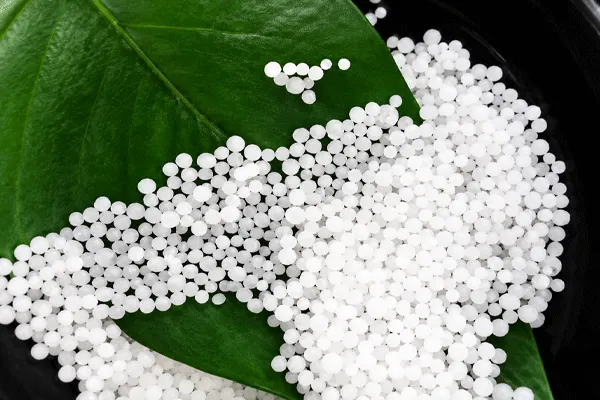
Best Organic Nitrogen Fertilizer: How to Choose the Right Fertilizer for Crops, Lawn, and Organic Farming
The best organic nitrogen fertilizer depends on the use case. For large farms, a stable granule or powder blend is often better because it is easier to transport, store, and apply. For a lawn, an organic lawn fertilizer should release nitrogen slowly and evenly to avoid rapid flush growth. For greenhouse crops, an organic liquid product may be more convenient.
For agricultural distributors and importers, the best product is not only about agronomic performance. It must also have stable supply, clear specifications, export-ready packaging, batch consistency, and good market positioning. A fertilizer that works well but is hard to ship or difficult to register may not be practical for B2B business.
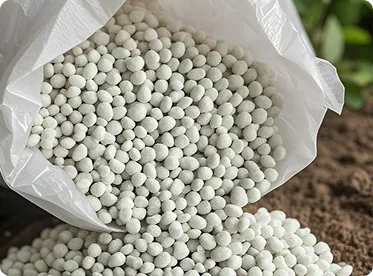
For commercial farms and cooperatives, the ideal product often combines a natural nitrogen source with organic matter and supporting nutrients. This type of fertilizer can deliver consistent nitrogen while also helping the soil stay active. It is not just a one-time feed. It supports the full crop system.
| Buyer Type | Recommended Direction | Why It Works |
|---|---|---|
| Agricultural distributor | Blend organic granular fertilizer | Easy to sell, store, and apply |
| Commercial farm | Crop-specific nitrogen fertilizer | Matches plant needs and yield targets |
| Lawn care supplier | Organic lawn fertilizer | Supports steady green growth |
| Government project | Certified organic or compliant fertilizer | Easier for public tenders and programs |
| OEM fertilizer brand | Custom formula and packaging | Builds brand value and repeat sales |
If your market focuses on turf, retail gardening, or landscaping, review our lawn fertilizer and organic lawn care solutions.
Organic nitrogen fertilizers improve soil health because they often add carbon, organic matter, and food for soil microbes. This can improve soil structure over time. Better soil structure means better water movement, better root growth, and better nutrient holding capacity.
Unlike many synthetic fertilizers, organic fertilizers provide more than one feeding effect. They can provide nitrogen while also supporting soil biology. Some materials release nitrogen slowly, which helps reduce sudden nutrient spikes. This is useful for long-season crops and for buyers who want sustainable farming inputs.
The phrase “organic nitrogen fertilizers improve soil” is not only a marketing claim. It reflects a real soil management idea: feed the crop and feed the soil. When organic nitrogen fertilizers improve soil health, farmers may see better root zones, improved moisture retention, and more stable nutrient delivery over time.
According to USDA organic standards, organic crop production manages soil fertility through practices such as crop rotations, cover crops, and the use of allowed plant and animal materials. The FAO fertilizer and plant nutrition guide also supports integrated use of mineral fertilizers and organic materials for plant nutrition.
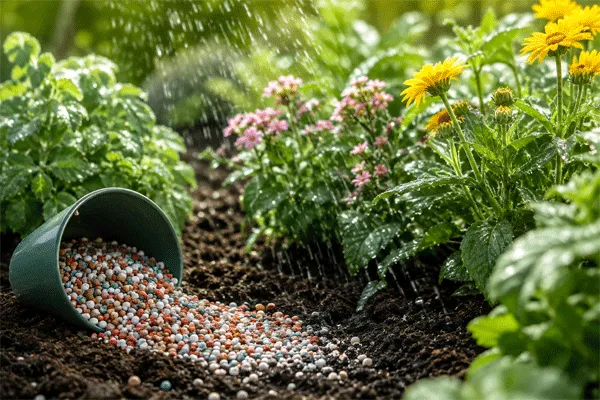
Organic and synthetic nitrogen fertilizers both provide nitrogen, but they work in different ways. Synthetic nitrogen is usually more concentrated and faster acting. Organic nitrogen depends more on microbial activity and soil conditions. This means organic products may work more slowly, but they can also support soil health when used correctly.
Synthetic fertilizers can be useful in some farming systems because they offer quick and measurable nutrient supply. But they may not add organic matter or improve soil structure. Organic products often contain nitrogen with carbon-based materials that help soil biology.
The best choice is not always “organic or synthetic.” In many large farming systems, buyers compare organic and synthetic options based on crop value, certification, soil goals, input budget, and export market requirements. For certified organic production, product compliance is very important. The USDA National List explains which materials are allowed or prohibited in U.S. organic production.
| Factor | Organic Nitrogen Fertilizer | Synthetic Nitrogen Fertilizer |
|---|---|---|
| Source | Plant, animal, or natural organic material | Industrial or chemical production |
| Release | Often slow or microbe-driven | Often fast and soluble |
| Soil effect | Can add organic matter | Usually does not add organic matter |
| Certification | Must meet organic certification rules | Often not allowed in certified organic systems |
| Risk | Overuse can still cause problems | Overuse may cause burn or leaching |
For markets that need compliant documentation, ask suppliers about organic certification, input approval, test reports, and label requirements before placing large orders.
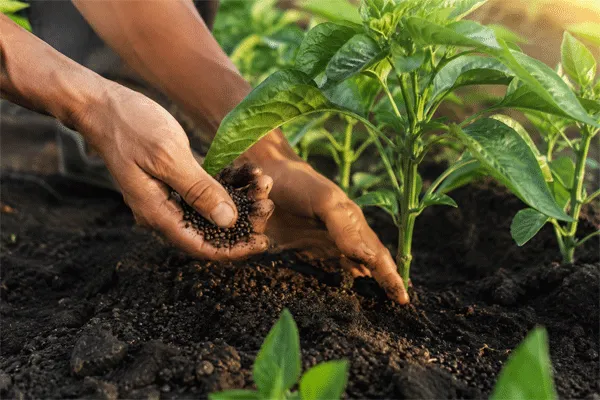
To use organic nitrogen fertilizers safely, start with soil testing. A soil test helps you know whether the crop actually needs nitrogen, phosphorus, potassium, lime, or other nutrients. It also helps avoid over-application.
Next, choose the right application rate. The application rate should match crop type, soil condition, nitrogen content, growing stage, and local climate. A heavy-feeding vegetable crop may need more nitrogen supplementation than a mature fruit tree. A sandy soil may need smaller, more frequent fertilizer applications than a heavier soil.
Professional buyers should also check product moisture, granule strength, odor control, shelf life, packing size, and container loading. These details matter when fertilizer moves across borders.
For liquid programs, see our liquid fertilizer options for commercial farms.
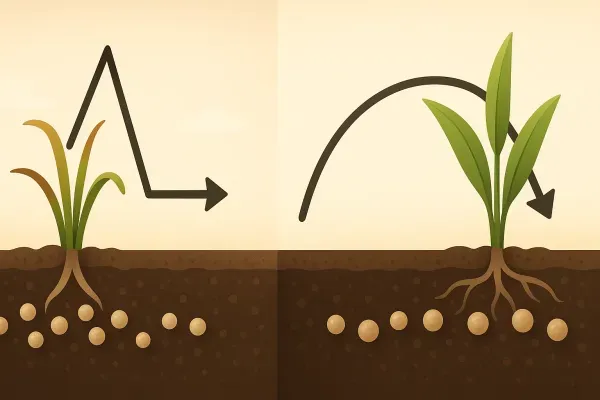
The principle of slow-release nitrogen fertilizer
Yes, homemade nitrogen fertilizer can work for gardens and small farms, but it is not always stable enough for commercial agriculture. Homemade organic nitrogen materials may include compost tea, manure compost, plant residues, fish waste solutions, or homemade organic nitrogen mixes from local organic sources.
The main problem is consistency. Homemade organic nitrogen fertilizers may contain nitrogen, but the available nitrogen can vary greatly. One batch may be strong. Another may be weak. Some materials may carry weed seeds, pathogens, salt, or odor issues if not processed correctly.
For household use, homemade organic nitrogen can be a simple way to recycle organic material. For distributors, commercial farm owners, cooperatives, and government projects, a professionally manufactured fertilizer is safer. It gives clearer nitrogen delivery, better quality control, easier logistics, and more trusted customer results.
A reliable factory can blend organic materials, control moisture, test nutrient content, and pack products for local market needs. That is why many fertilizer brand owners choose a China-based manufacturer for stable OEM production.
A good fertilizer supplier should offer more than a price list. Importers and fertilizer brand owners need stable formulas, export experience, documentation support, packaging design, and responsive communication. Farm buyers need products that work in the field. Distributors need products that sell and repeat.
As a China-based manufacturer and exporter, we focus on practical B2B needs: product consistency, flexible packaging, container loading support, custom branding, and formulation guidance. Our goal is simple: help buyers build a fertilizer line that farmers can trust.
Before choosing a supplier, ask these questions:
A regional agricultural distributor wanted to add organic products to its portfolio. The market needed a fertilizer that could provide nitrogen, support soil health, and fit local farm budgets. Instead of choosing one single raw material, the distributor selected a blend organic formula with moderate nitrogen, organic matter, and supporting nutrients.
The result was easier market education. Farmers understood the value: steady nitrogen, better soil support, and simple application. The distributor also gained brand control through custom bags, local language labels, and clear crop-use guidance.
For buyers ready to develop a complete product line, our bulk fertilizer export service and contact page for fertilizer sourcing can help you start a direct discussion.
Blood meal and liquid fish emulsion are often used when crops need a quicker nitrogen boost. However, the best choice depends on soil test results, crop type, and growth stage. For commercial farming, a balanced organic fertilizer blend may be safer than using one high nitrogen material alone.
Many organic nitrogen fertilizers release nitrogen slowly because soil microbes must break down the material first. Feather meal and composted manure are common slow-release nitrogen sources. This slow-release organic pattern can support steady growth over time.
Yes. Even organic products can burn plants if applied too heavily or too close to roots. High in nitrogen materials like blood meal should be used carefully. Always follow label instructions and use the correct application rate.
Yes. An organic lawn fertilizer can help grass grow greener and thicker while supporting soil health. For lawn care, slow and consistent nitrogen is usually better than a quick burst that causes weak, fast growth.
Some organic products are allowed, but buyers must check certification and input rules. USDA organic production follows allowed and prohibited substance rules. Always confirm with certifiers before selling products into certified organic farms.
Organic liquid fertilizer is easy to apply through watering systems or foliar programs. Dry fertilizer is often better for base application, storage, and bulk farm use. Many commercial buyers use both depending on crop stage and equipment.