Avoid your inquiry is delay response, please enter your WhatsApp/Skype along with the message, so we can contact you at the very first time.
We will reply you within 24 hours. If for urgent case, please add WhatsApp/WeChat: ,. Or call directly.
Carrots look simple, but poor fertilization can ruin the crop. Too much nitrogen grows big tops and weak roots. Too little nutrient support slows growth. The solution is to fertilize carrots at the right time, in the right soil, with the right fertilizer.
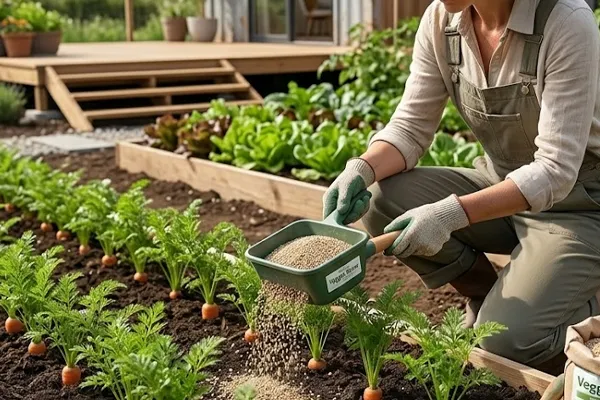
The best time to fertilize carrots is before sowing, when you prepare the soil, and again after the seedlings are established. In most gardens, work compost or a balanced, low-nitrogen fertilizer into the soil before planting, then side-dress lightly about 4 to 6 weeks after germination. Avoid heavy nitrogen fertilizer because it can increase foliage instead of root development.
Why does carrot fertilization timing matter?
When is the best time to plant and fertilize carrots?
How should you prepare the soil before sowing carrot seeds?
What fertilizer is best for carrot root development?
Should you fertilize carrot seedlings after germination?
How much nitrogen, phosphorus, and potassium do carrots need?
How do organic fertilizer and compost help carrots in your garden?
How should a gardener water, weed, and mulch carrots?
When are carrots ready for harvest?
How can commercial buyers improve carrot yield and quality?
Carrot fertilization timing matters because the edible part of the carrot is the root. A carrot plant needs steady nutrition, but it does not need the same feeding plan as leafy vegetables. If the soil is too rich in nitrogen, the plant may produce strong foliage while the carrot roots stay small, forked, or hairy.
Good fertilization supports root development, color, sweetness, and uniform size. For home gardeners, this means better carrots in your garden. For commercial farm owners, cooperatives, and agricultural distributors, good fertilizer timing can affect carrot yields, market grade, and harvest consistency.
University extension guidance often recommends soil testing before fertilizing vegetables because soil nutrient levels can vary widely by region, soil type, and previous crop history. Minnesota Extension notes that carrots thrive in neutral to slightly acidic soil with a pH between 6 and 7 and grow best in light sandy loam that is not compacted.
The best time to plant carrots is usually early spring or late summer, depending on your climate. Carrots are a cool-season crop. Many gardeners sow carrot seeds before hot weather arrives, then plant again for a fall harvest. Illinois Extension recommends planting carrot seeds in early spring, with later sowings possible when soil is warmer and drier.
For spring planting, many growers sow seeds a few weeks before the last frost date. For a fall harvest, carrots are planted in late summer or early fall so they can mature in cooler weather. The exact time to plant depends on the frost date, local climate, and carrot varieties.
A simple fertilization schedule looks like this:
| Growth Stage | What to Do | Main Goal |
|---|---|---|
| Before sowing | Prepare the soil with compost or low-nitrogen fertilizer | Build loose, fertile soil |
| At sowing | Avoid direct heavy fertilizer contact with carrot seeds | Protect germination |
| After emergence | Feed lightly if soil fertility is low | Support seedling growth |
| 4 to 6 weeks after germination | Side-dress carefully | Support root growth |
| Before harvest | Avoid heavy late nitrogen | Maintain root quality |
As a leading manufacturer and exporter of high-quality fertilizer products based in China, we often suggest that agricultural distributors and farm buyers match fertilizer timing with crop growth stage, not just with a fixed calendar date.
To grow carrots well, prepare the soil before you sow. Carrots do best in loose, fine, stone-free soil. Hard soil, compacted soil, and fresh clumps of organic matter can cause twisted or forked carrot roots. Raised beds are often helpful because they allow better drainage and easier soil preparation.
Before planting, remove rocks, weeds, and hard clods. Loosen the soil at least 6 to 8 inches deep. For longer carrot varieties, deeper soil is better. Then mix mature compost or a suitable organic fertilizer into the top layer. Do not place strong fertilizer directly on carrot seeds, because it may affect germination.
A good soil preparation checklist:
When you sow the seeds, plant them about 1/4 to 1/2 inch deep depending on soil moisture. Illinois Extension gives a similar planting depth range and notes that carrot germination can take as long as two weeks.
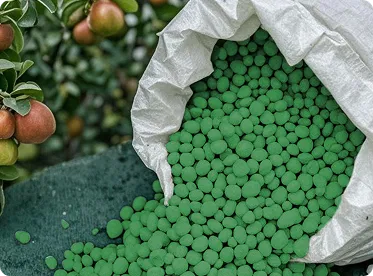
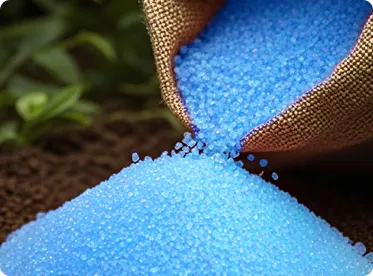
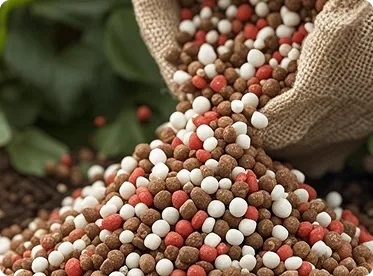
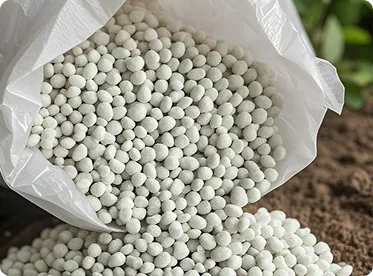
The best fertilizer for carrots is usually low to moderate in nitrogen and balanced with enough phosphorus and potassium. Nitrogen helps leaves grow, but too much nitrogen fertilizer can push top growth at the expense of root growth. Phosphorus supports root development, while potassium helps general plant strength, water balance, and crop quality.
For home gardens, a mild vegetable fertilizer or organic fertilizer can work well. For commercial farms, the best plan should be based on soil testing, crop yield target, irrigation method, and local agronomic advice.
A practical carrot fertilizer guide:
| Fertilizer Type | Good Use | Notes |
|---|---|---|
| Compost | Soil structure and slow nutrient release | Use mature compost only |
| Low-nitrogen NPK fertilizer | Root crop feeding | Avoid formulas high in nitrogen |
| Organic fertilizer | Slow, steady feeding | Good for soil health |
| Liquid fertilizer | Quick correction | Use lightly and carefully |
| Potassium-rich fertilizer | Root quality support | Useful when soil test shows need |
| Phosphorus fertilizer | Early root support | Use only when soil test supports it |
For distributors, brand owners, and OEM fertilizer clients, carrot fertilizer products should be positioned around root development, balanced nutrition, and safe application timing, not only around fast green growth.
Yes, but lightly. After germination, carrot seedlings are small and delicate. They need moisture, clean soil, and space before they need heavy feeding. If the soil was prepared well before planting, you may not need to fertilize immediately.
A common approach is to side-dress when the young plants are established. Utah State University Extension recommends applying a nitrogen-based fertilizer about 6 weeks after emergence, placing it to the side of the plants and watering it into the soil. Texas A&M AgriLife Extension also suggests fertilizing when carrot tops are about 3 to 4 inches high, then fertilizing again when tops reach 6 to 8 inches high.
For a home gardener, this means: wait until the carrot seedlings have true leaves and are growing steadily. Then use a light side-dressing. Keep it away from the crown and avoid burning the plants. For large farms, side-dressing or fertigation should follow soil and tissue testing where available.
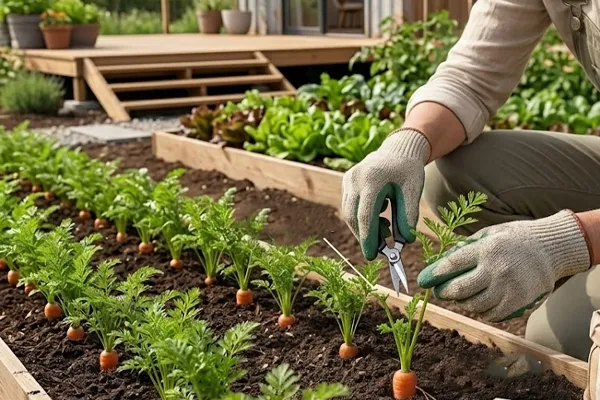
Carrots need nutrients, but balance matters. Nitrogen supports foliage, phosphorus supports root development, and potassium helps overall crop strength. The goal is not to feed carrots as much as possible. The goal is to feed them correctly.
Too much nitrogen may create lush green tops and poor roots. Too little nutrient support may reduce growth of carrots, especially in poor soil. In commercial production, fertilizer rates should be adjusted by soil test results, expected yield, organic matter level, irrigation, and local extension recommendations.
The California Department of Food and Agriculture’s carrot fertilization guidelines discuss potassium needs in relation to soil test levels and crop removal, noting that harvested carrots remove potassium from the field and that higher rates may be needed on low-testing sandy soils.
Simple nutrient roles:
| Nutrient | Role in Carrots | Too Much Can Cause |
|---|---|---|
| Nitrogen | Leaf growth and early plant vigor | Excess foliage, weak roots |
| Phosphorus | Early root development | Waste if soil already has enough |
| Potassium | Root quality, plant strength, water balance | Salt stress if over-applied |
| Organic matter | Soil structure and moisture holding | Problems if fresh or undecomposed |
If you sell fertilizer to commercial farms, this is where technical service creates value. Buyers need more than a bag of product. They need application guidance, dosage suggestions, and crop-stage advice.
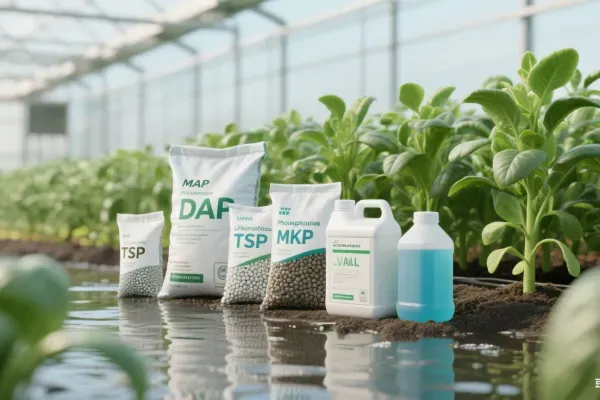
Organic fertilizer and compost help by improving soil structure and feeding soil life. Carrots grow best when the soil is loose, evenly moist, and easy for roots to enter. Mature compost can improve water holding in sandy soil and improve texture in heavier soil.
However, fresh manure is not ideal right before planting carrots. It can be too strong and may increase the risk of forked roots. A safer approach is to use fully matured compost or a well-formulated vegetable fertilizer designed for root crops.
For organic carrot production, buyers may prefer slow-release nutrition, humic substances, amino acid fertilizer, seaweed extract, or other soil-conditioning inputs. These products can fit well into organic and sustainable farming systems when they meet local certification and import requirements.
As a China-based fertilizer manufacturer, we support agricultural distributors, importers, and fertilizer brand owners with customized OEM fertilizer solutions for different markets. For carrots, the product story should focus on steady nutrition, root quality, and soil-friendly growth.
Fertilizer alone will not grow good carrots. Water, weed control, and spacing are just as important. Carrot seeds are small and slow to germinate, so the seedbed must stay moist. If the topsoil dries out, germination may become uneven.
Weed control is important because carrots do not compete well with weeds when they are young. Utah State University Extension notes that weed control is especially important during germination and establishment, and it warns against deep cultivation near plants because root damage can affect growth and yield.
Basic care tips:
If you grow carrots in containers, choose a deep container and loose growing mix. Shorter carrot varieties often work better in pots. For field growers, raised beds can improve drainage and make harvest easier.
Carrots are ready for harvest when the roots reach usable size and good color. Many carrot varieties mature in about 50 to 80 days, but the exact time depends on variety, climate, planting season, and soil condition. Illinois Extension notes that finger carrots may be ready in 50 to 60 days, while other varieties often need about 60 to 70 days or more.
You can check the shoulder of the carrot at the soil surface. If it is large enough, gently loosen the soil and pull carrots. If the soil is dry or compacted, water first or use a fork carefully to avoid breaking the roots.
A fall harvest can produce sweeter carrots because cool temperatures can improve flavor. For commercial growers, the harvest decision should consider root diameter, market standard, buyer requirements, storage needs, and shipping schedule.
Signs carrots are ready to harvest:
| Sign | What It Means |
|---|---|
| Root shoulder is visible | Check size before pulling |
| Diameter is marketable | Ready for fresh sale or processing |
| Color is strong | Good variety expression |
| Tops are healthy | Crop is still active |
| Days to maturity reached | Check seed variety guide |
| Soil is moist | Easier pulling and less breakage |
Harvested carrots should be handled gently. Remove excess soil, avoid bruising, and cool them quickly if they are for commercial packing.
Commercial buyers can improve carrot yield and quality by managing fertilizer, soil, seed spacing, irrigation, weed control, and harvest timing as one system. No single fertilizer product can solve every problem if the soil is compacted, dry, or full of weeds.
For agricultural distributors and importers, carrot growers often need clear fertilizer programs. These may include base fertilizer before sowing, side-dress fertilizer after emergence, and optional water-soluble fertilizer for fertigated farms. In some regions, buyers may also request NPK fertilizer formulas designed for root crops.
A simple commercial program may include:
For government and NGO agricultural projects, the goal is often reliable food production and farmer training. In these projects, fertilizer should be easy to apply, safe to store, clearly labeled, and supported with field instructions.
A fertilizer distributor wanted to promote a root crop fertilizer line for small farms. The problem was that farmers were using high-nitrogen products for carrots. The tops looked green, but roots were uneven, thin, and sometimes forked.
We suggested a simple program: prepare the soil with mature compost, apply a low-nitrogen base fertilizer before sowing, keep the bed moist for germination, thin seedlings early, then side-dress lightly after the plants had true leaves. The distributor also trained farmers to avoid heavy late nitrogen.
The result was not magic. It was good timing. Farmers saw more uniform carrots, easier harvest, and better market appearance. This is the kind of practical fertilizer guidance that helps distributors build trust with growers.
Recommended Fertilizer Timing Chart for Carrots
| Stage | Timing | Fertilizer Action | Practical Note |
|---|---|---|---|
| Soil preparation | 1 to 2 weeks before sowing | Add compost or low-N fertilizer | Mix evenly into loose soil |
| Sowing | Planting day | No heavy direct fertilizer | Cover the seeds lightly |
| Germination | 1 to 3 weeks after sowing | Focus on moisture | Keep soil evenly moist |
| Seedling stage | When plants have true leaves | Thin and weed | Avoid root disturbance |
| Early root growth | About 4 to 6 weeks after emergence | Light side-dress | Water fertilizer into the soil |
| Mid growth | If needed | Add potassium or balanced feed | Follow soil test |
| Before harvest | Final weeks | Avoid heavy nitrogen | Protect flavor and root quality |
This chart works best as a general guide. Local soil, climate, and crop variety should always guide the final plan.
When should I fertilize carrots?
Fertilize carrots when preparing the soil before planting, then side-dress lightly after seedlings are established, often around 4 to 6 weeks after germination. Avoid heavy nitrogen late in the growing season.
What fertilizer is best for carrots?
A low-nitrogen, balanced fertilizer is often best for carrots. The product should support root development, not just leaf growth. Compost and organic fertilizer can also help if they are mature and well mixed into the soil.
Can too much nitrogen hurt carrots?
Yes. Too much nitrogen can lead to large green foliage and poor root growth. It may also increase the chance of forked or hairy roots, especially when combined with poor soil conditions.
Should I use compost before planting carrots?
Yes, mature compost can help improve soil structure and moisture holding. Do not use fresh manure right before planting because it may be too strong and may affect root shape.
How deep should I sow carrot seeds?
Carrot seeds are usually sown shallow, often about 1/4 to 1/2 inch deep. Keep the soil moist until seeds germinate.
How far apart should carrot seedlings be?
Thin young seedlings so roots have room to grow. Many gardeners thin carrots to about 1 to 2 inches apart for smaller roots and 2 to 4 inches apart for larger roots, depending on variety.
Do carrots grow best in raised beds?
Carrots can grow very well in raised beds because the soil is often loose, deep, and well drained. Raised beds are especially useful if native garden soil is heavy or compacted.
When are carrots ready to harvest?
Carrots are ready to harvest when roots reach usable size, often about 50 to 80 days after planting depending on variety. Check the root shoulder near the soil surface before pulling.
Fertilize carrots before planting and again lightly after seedlings are established.
Prepare the soil first: loose, fine, moist, and free of stones.
Avoid too much nitrogen fertilizer because it can produce big tops and weak roots.
Phosphorus and potassium support root development and carrot quality when soil tests show a need.
Mature compost and organic fertilizer can improve soil condition, but fresh manure is not recommended before sowing.
Keep the seedbed moist during germination because carrot seeds are slow to sprout.
Weed early and gently because young carrots do not compete well with weeds.
Harvest carrots when roots reach good size, color, and market quality.
Commercial fertilizer programs should be based on soil tests, crop stage, irrigation method, and local farming practice.
For distributors, importers, cooperatives, and OEM fertilizer brands, carrot fertilizer products should focus on root development, balanced nutrition, and clear application timing.