Avoid your inquiry is delay response, please enter your WhatsApp/Skype along with the message, so we can contact you at the very first time.
We will reply you within 24 hours. If for urgent case, please add WhatsApp/WeChat: ,. Or call directly.
Farmers, importers, and brand owners often ask one serious question: “Is ammonium sulfate cancerous?” Confusion grows when a product is used in fertilizer, food, soil treatment, and industry. The good news is that current evidence does not classify ammonium sulfate as a cancer-causing material under normal, proper use.
Ammonium sulfate is not considered cancerous based on available chronic toxicity and carcinogenicity studies. A 104-week carcinogenicity study in Fisher 344 rats found no significant increase in tumors under the study conditions. However, ammonium sulfate dust can irritate the skin, eyes, and respiratory tract, so safe handling, storage, and correct fertilizer application still matter
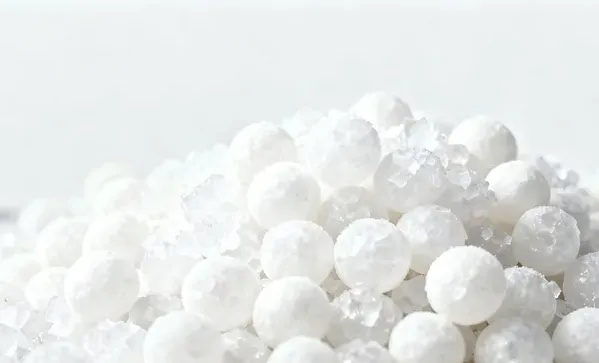
Ammonium sulfate, also called ammonium sulphate in many countries, is an inorganic salt with the chemical formula (NH₄)₂SO₄. It is made of ammonium ions and sulfate ions. It is usually a crystalline, white or light-colored product that can dissolve in water.
In agriculture, ammonium sulfate is commonly used as a fertilizer because it supplies nitrogen and sulfur, two important nutrients for plant growth. In some documents, it may also be called diammonium sulfate, because the compound contains two ammonium groups.
As a China-based manufacturer and exporter of high-quality fertilizer products, we see ammonium sulfate used by agricultural distributors, commercial farms, cooperatives, government projects, NGO agricultural programs, and OEM fertilizer brand owners.
Is Ammonium Sulfate Cancerous? Safety, Chronic Toxicity and Carcinogenicity Facts for Fertilizer Buyers
Based on available public safety data, ammonium sulfate is not considered cancerous under normal and proper use. The most direct answer is simple: current evidence does not show that ammonium sulfate causes cancer in the way buyers often fear.
A published study on chronic toxicity and carcinogenicity tested ammonium sulfate in the diet of Fisher 344 rats. In the 104-week carcinogenicity study, researchers did not find a significant increase in tumors in examined organs and tissues.
That said, “not shown to be cancerous” does not mean “ignore safety.” Ammonium sulfate dust may still cause irritation. Buyers should handle it like a professional fertilizer raw material: keep it dry, avoid dust clouds, use eye protection when needed, and follow the SDS.
The key study looked at dietary concentrations of ammonium sulfate in rats. It included a 52-week chronic toxicity study and a 104-week carcinogenicity study. The tested dietary concentrations included different levels, including higher intake groups.
The study reported that ammonium sulfate did not significantly influence tumor incidence in the organs and tissues examined. It also stated that the no observed adverse effect level was 0.6% in the diet, equal to 256 mg/kg body weight/day in males and 284 mg/kg body weight/day in females under the study conditions.
Here is a simple view:
| Safety Question | What the Study Suggests |
|---|---|
| Did ammonium sulfate cause tumors in the 104-week study? | No significant tumor increase was reported |
| Was it tested as a food additive material? | Yes, the study refers to food additive use in fermentation |
| Does this mean unlimited exposure is safe? | No. Dose, route, and handling still matter |
| Main practical risk in fertilizer handling | Dust irritation to eyes, skin, or respiratory tract |
For B2B buyers, this means the concern should move from “is it cancerous?” to “is the product clean, well tested, well packed, and handled safely?”
Yes, ammonium sulphate is widely used as a fertilizer. It provides ammonium nitrogen and sulfur for crop nutrition. It is especially useful in many alkaline soils where sulfur and mild acidity can support nutrient availability.
Ammonium sulfate is not a “mystery chemical.” It has a long history in agriculture, food industry use, fermentation, laboratory purification, and crop production. In fertilizer use, the main safety controls are quality testing, correct application rate, and proper worker protection during handling.
Ammonium sulfate should not be confused with ammonia gas, sulfuric acid, ammonium chloride, chloride salts, or ammonium bisulfate. These materials have different properties, risks, and uses.
Ammonium sulfate is made industrially by reacting ammonia or ammonium hydroxide with sulfuric acid. But the final product is not the same as strong sulfuric acid. It is an inorganic salt, not a strong free acid in normal dry fertilizer form.
| Material | Simple Explanation | Safety Note |
|---|---|---|
| Ammonium sulfate | Inorganic fertilizer salt | Main concern is dust irritation |
| Ammonia gas | Strong-smelling alkaline gas | Can irritate eyes and lungs |
| Sulfuric acid | Strong acid | Can burn skin and eyes |
| Ammonium bisulfate | More acidic ammonium salt | More corrosive than ammonium sulfate |
| Ammonium chloride | Different ammonium salt | Contains chloride |
This matters because many buyers search for ammonium sulfate and see information about other ammonium compounds. Do not mix them up. Similar words do not always mean similar risk.
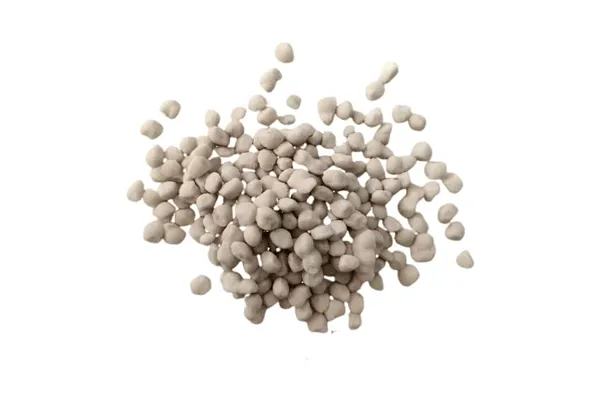
Is Ammonium Sulfate Cancerous? Safety, Chronic Toxicity and Carcinogenicity Facts for Fertilizer Buyers
Yes. Ammonium sulfate can cause irritation, especially as dust. Direct contact with the skin or eyes may cause itching, redness, or discomfort. If workers inhale dust, it may irritate the nose, throat, or lungs.
Some safety documents list ammonium sulfate as an irritant. PubChem notes reported hazard statements such as skin irritation, serious eye irritation, and possible respiratory irritation for some classifications.
A responsible safety message should not say that normal fertilizer handling will always “cause severe irritation and inflammation.” That would be too strong. A better message is this: high dust exposure may cause irritation and inflammation of the respiratory tract, so workers should not inhale dust. Use gloves, goggles, masks, and ventilation when handling bulk material.
Yes. Ammonium sulfate is used beyond fertilizer. In the United States, it is listed in food regulations as a direct food substance under specific good manufacturing practice limits. The regulation notes use as a dough strengthener, firming agent, and processing aid.
It is also used as a food additive in certain controlled uses. In the food industry, it may support flour processing, dough conditioning, and yeast or fermentation processes. This does not mean people should eat fertilizer-grade ammonium sulfate. Food-grade and fertilizer-grade products have different specifications.
In laboratories, ammonium sulfate is also used in protein purification. In some biochemical and vaccine-related production chains, ammonium sulfate precipitation may appear as a processing step. That does not mean the final vaccine contains agricultural-grade ammonium sulphate.
For normal readers, this question often comes from fear. Eating or drinking ammonium sulfate is not the same as using it safely as fertilizer. Fertilizer products are not food and should never be consumed.
A small amount of acid reaction or gastrointestinal irritation may occur depending on dose and product purity. In large amounts, ammonium compounds can create health risks because ammonium ion is released in the body. In severe poisoning cases with some ammonium compounds, symptoms may include gastrointestinal discomfort, confusion and behavioral changes, or other systemic effects.
So, do not frame the risk as “drinking ammonium sulfate will cause cancer.” That is not the right safety message. The correct message is: do not eat or drink ammonium sulfate, keep it away from children and animals, and follow the product label and SDS.
In soil, ammonium sulfate dissolves and releases ammonium and sulfate. The ammonium part supplies nitrogen. The sulfate part supplies sulfur. Both can act as nutrients for plant growth.
Ammonium sulfate is commonly used as a fertilizer for alkaline soils. It can help support the pH balance of the soil because ammonium-based nitrogen can produce acidity during nitrification. This can be helpful in alkaline soils, but it should be managed carefully in acidic fields.
For professional farming, the goal is not simply to add more fertilizer. The goal is balanced crop nutrition. A soil test helps decide whether ammonium sulfate.
Yes, in some agricultural systems, ammonium sulfate may be used with herbicide spray programs as a water conditioner or adjuvant support material. It can help deal with hard water ions that may reduce the performance of certain herbicide products.
This use should follow the herbicide label, local rules, and agronomist guidance. The fact that ammonium sulfate can be used with herbicide does not make ammonium sulfate cancerous. It simply shows that the product has multiple agricultural functions.
For buyers, the key point is to separate product identity from product use. A fertilizer can be safe for one use and still require rules for another use. Good labels, clean packaging, and technical documents help avoid misuse.
Distributors should check both safety and commercial quality. A low price is not enough. A reliable ammonium sulphate supplier should provide clear specifications, test reports, packaging options, export documents, and stable loading control.
Important items include:
Here is a simple buyer checklist:
| Buyer Need | What to Check |
|---|---|
| Safety | SDS, label, storage guidance |
| Product quality | COA, N/S content, moisture, particle size |
| Market fit | 25 kg, 50 kg, jumbo bag, OEM bag |
| Farm performance | Solubility, granule strength, field application |
| Export reliability | Loading photos, customs documents, inspection support |
As a manufacturer and exporter, we support bulk orders, private label bags, and brand customization through OEM fertilizer service.
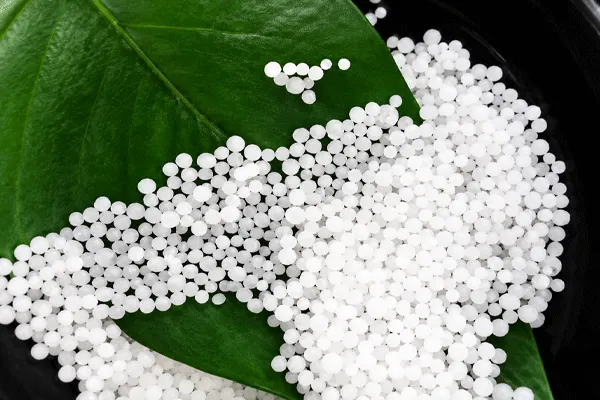
OEM fertilizer brands should use clear, calm language. Do not create fear. Do not overpromise. Say what the science says, and say what safe handling requires.
A strong label or product page can include:
This style builds trust with distributors, commercial farms, government tenders, and NGO agricultural projects. It also protects your brand. Safety language should help the buyer feel informed, not confused.
A fertilizer distributor wants to introduce ammonium sulphate into a market where buyers worry about chemical safety. Farmers ask, “Is ammonium sulfate cancerous?” The distributor needs a short, honest answer.
A good answer would be:
“Available long-term animal study data did not show carcinogenic effects under the study conditions. Ammonium sulfate is widely used as a fertilizer and is also listed for controlled food-related uses. However, fertilizer-grade ammonium sulfate is not food. Avoid dust, protect eyes and skin, and follow the SDS.”
This answer is simple. It is safe. It does not hide risk. It also supports sales because it shows professional knowledge.
For OEM brands, this kind of education can improve conversion. A buyer who trusts your safety information is more likely to ask for a quote, request samples, or place a container order.
Available research does not show that ammonium sulfate is cancerous under the tested conditions. A 104-week carcinogenicity study in rats found no significant tumor increase. Still, users should avoid dust exposure and follow handling rules.
Brief contact may not cause serious harm for most people, but ammonium sulphate dust can irritate the skin or eyes. Wear gloves and eye protection when handling bags, bulk material, or dusty product.
Food-grade ammonium sulfate can be used as a food additive or processing aid under specific regulations and good manufacturing practice. Fertilizer-grade ammonium sulfate is not food-grade and should never be eaten.
Yes. Inhalation of dust can irritate the nose, throat, and respiratory tract. Workers should avoid breathing dust, especially during loading, unloading, blending, or bagging.
No. Ammonium sulfate is an inorganic salt. Sulfuric acid is a strong acid. Ammonium sulfate may be produced using sulfuric acid, but the final product is different.
Yes, ammonium sulfate can be useful for soil when crops need nitrogen and sulfur. It is especially helpful in some alkaline soils. However, long-term use can affect soil pH, so soil testing is important.