Avoid your inquiry is delay response, please enter your WhatsApp/Skype along with the message, so we can contact you at the very first time.
We will reply you within 24 hours. If for urgent case, please add WhatsApp/WeChat: ,. Or call directly.
A weak lawn can turn pale fast. Add fertilizer at the wrong time, and rain can wash it away before the grass gets any benefit. The good news is simple: with the right timing, you can feed your lawn well and protect your money.
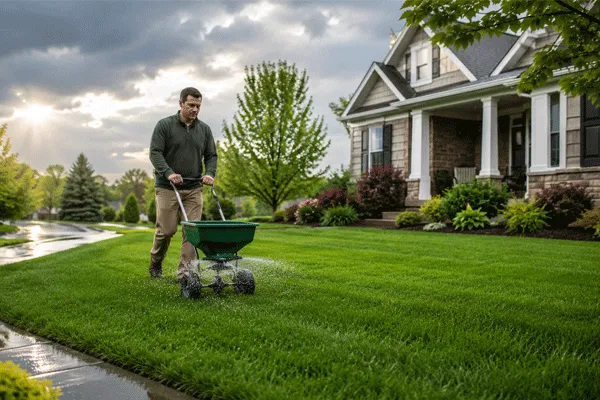
It is usually best to fertilize your lawn after rain or before light to moderate rain, not before heavy rain. The lawn should be damp but not soaked, and the fertilizer should be watered into the soil. Avoid fertilizing if moderate to heavy rains are likely within the next 24–48 hours.
The best timing is usually after rain, when the lawn is moist but the grass blades are not dripping wet. You can also fertilize before a light rain if you are sure it will be gentle. Light rain helps move the nutrient into the soil. Heavy rain is the problem.
If you ask, “Should I fertilize my lawn before or after rain?” the safe answer is this: wait until after it rains if a storm is coming. Then apply fertilizer when the lawn is no longer soggy. The University of Illinois Extension says it is a good idea to water the lawn a day before spreading fertilizer and not to apply before rain because the fertilizer might be washed away.
For home users, golf turf managers, lawn care companies, and fertilizer brands, timing can decide whether the fertilizer feeds the lawn or leaves the property. That is why proper fertilizer application is one of the first things we explain when supporting B2B buyers of lawn fertilizer.
Should You Fertilize Your Lawn Before or After Rain? Best Timing for a Healthy Lawn
Heavy rain can wash away fertilizer before it reaches the root zone. That means the lawn loses nutrients, and the owner loses money. It may also create runoff into drains, ponds, rivers, or nearby fields. Penn State Extension explains that runoff is more likely after sudden, heavy rainstorms, especially on poor-infiltration soils, slopes, paved areas, and frozen ground.
This is why it is best to avoid fertilizing before a heavy rain. A rain event with strong water flow can move granular fertilizer from the turf into sidewalks, driveways, and storm drains. Once fertilizer is washed away, the lawn does not get the full benefit.
A simple rule works well: do not fertilize your lawn before heavy rain. If heavy rains are likely within the next day or two, delay the job. The best lawn results come from feeding your lawn when weather conditions support absorption, not runoff.
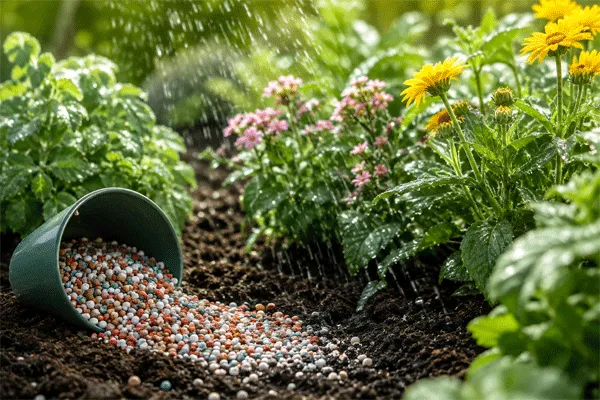
Yes, light rain can be beneficial after fertilizer application. A gentle shower helps dissolve granular fertilizer and move nutrients from the grass blades into the soil. The key word is gentle. Light rain is helpful. Much rain is not.
The University of Minnesota Extension recommends watering-in fertilizer immediately after application with 0.5–1.0 inch of rain or irrigation water as part of best management practices for lawns near shoreland areas. This shows why rain shortly after application can help when the amount is controlled.
If light to moderate rain is expected, you may apply the fertilizer before it arrives. But if the forecast shows heavy rain, thunderstorm runoff, or several inches of rain, it is best to wait. The goal is simple: move the nutrients your lawn needs into the soil, not down the street.
A wet lawn is not always a good place to apply fertilizer. If grass blades are very wet, fertilizer particles may stick to the leaves. This can increase the risk of fertilizer burn, especially with quick-release products or high-nitrogen formulas. It can also make spreading uneven.
The ideal time is when the soil is slightly moist, but the grass blades are mostly dry. This helps the fertilizer fall through the grass and reach the soil surface. If you apply the fertilizer to the lawn while blades are soaked, some particles may stay on top instead of reaching the root zone.
So, after rain, wait until the lawn after it rains has drained well. It should not be muddy. It should not have standing water. If your shoes sink or leave deep marks, wait longer. Patience protects the health of your lawn.
The best time to fertilize lawn depends on grass type and local climate. Cool-season grass often grows strongly in early spring and fall. Warm-season grass often grows best in late spring and summer. In general, fertilize when the turf is actively growing.
For many lawns, early spring may support green-up, while fall feeding can help root strength and recovery. But not every lawn needs the same plan. A sandy lawn may need smaller, more frequent feeding. A rich soil with good organic matter may need less fertilizer.
For professional lawn fertilization, the schedule should match the grass, soil, and weather. Penn State Extension warns that nitrogen leaching risk can rise during wet weather or excessive irrigation, especially on sandy soils and when quick-release nitrogen is applied at high rates.
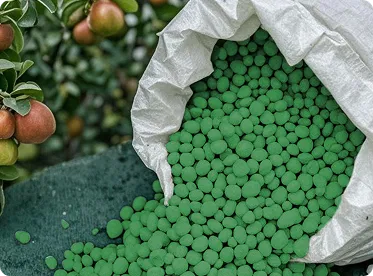
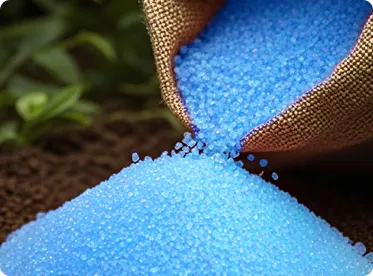
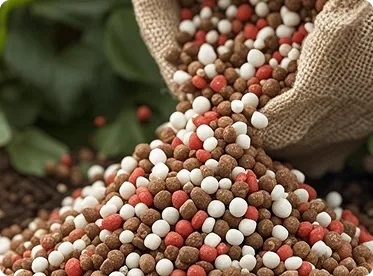
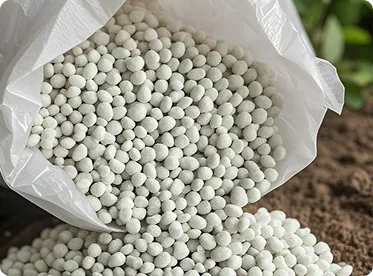
Granular fertilizer is made of small particles that need water to break down. Once water reaches the granules, nutrients begin moving into the soil. This is why granular fertilizer often needs rain or irrigation after application.
The University of Minnesota Extension explains that granular and slow-release fertilizers are in pellet form and require watering and time to dissolve and release nutrients into the soil. That is why a little rain helps, but heavy rain can be problematic.
For exporters, distributors, and OEM lawn care brands, granule quality matters. Good granular lawn fertilizer should spread evenly, resist dust, store well, and dissolve at a reliable pace. As a China-based manufacturer and exporter of high-quality fertilizer products, we pay close attention to particle size, moisture control, anti-caking performance, and bag strength.
Should You Fertilize Your Lawn Before or After Rain? Best Timing for a Healthy Lawn
Most lawn fertilizer needs enough water to move nutrients into the soil, but not so much that water runs off the lawn. Many guidance programs recommend watering-in after application, especially for granular products. The University of Minnesota guidance mentions 0.5–1.0 inch of rain or irrigation water after fertilizer application.
If you use too little water, fertilizer may sit on grass blades and increase burn risk. If you use too much water, nutrients can move below the root zone or leave the lawn through runoff. Balance matters.
Here is a simple watering guide:
| Situation | Recommended Action | Why It Matters |
|---|---|---|
| Dry lawn before application | Water lightly the day before | Helps soil receive nutrients |
| Damp soil, dry grass blades | Good time to apply | Granules reach soil better |
| Light rain expected | Usually acceptable | Helps dissolve fertilizer |
| Heavy rain expected | Wait | Rain can wash away fertilizer |
| Standing water on lawn | Do not apply | High runoff and waste risk |
| Hot, dry weather | Use care and water correctly | Reduces fertilizer burn |
If fertilizer is washed away, the lawn receives fewer nutrients. You may see weak color, uneven growth, or poor recovery. The property owner may think the product failed, but the real problem was timing.
Rain can wash away fertilizer from sloped lawns, compacted soil, bare patches, and paved surfaces. Penn State Extension notes that fertilizer, pesticides, and other pollutants can be carried by stormwater runoff into local water systems.
This is also a business issue. For lawn fertilization service companies, poor timing can lead to complaints. For fertilizer distributors, wrong application advice can reduce repeat sales. A good label, clear instructions, and practical usage training help ensure your lawn customers get best results.
The best practices are easy to understand. First, check the weather. Second, choose the right product. Third, apply at the correct rate. Fourth, water properly. Fifth, keep fertilizer off hard surfaces.
Use this checklist before applying fertilizer:
Penn State Extension recommends soil testing because lawns may not need as much fertilizer as people think, and it also advises avoiding lawn fertilization before heavy rain to reduce runoff.
A professional lawn fertilization program can be useful for homeowners, property managers, sports turf sites, and large commercial landscapes. A professional lawn plan can time fertilizer use around weather, turf growth, soil test results, and seasonal stress.
Some homeowners prefer to enroll in a professional lawn program because they do not want to guess. A lawn fertilization service may also use calibrated spreaders, professional lawn products, and better timing. This helps create a green lawn, vibrant lawn, and stronger turf.
However, the product quality still matters. If a company wants customers to sign up for our lawn program, the fertilizer must perform well. It needs stable nutrients, good granule strength, clean packaging, and clear application rates. The service sells trust. The fertilizer must support that trust.
Agricultural distributors, importers, commercial farm owners, cooperatives, and lawn care brands should look beyond price per ton. A cheaper fertilizer may cost more if it cakes, dusts, breaks during shipping, or gives uneven spreading.
A strong B2B fertilizer product should offer:
| Buyer Need | Product Requirement |
|---|---|
| Easy spreading | Uniform granule size |
| Good storage | Low moisture and anti-caking support |
| Clear lawn care use | Practical label guidance |
| Brand sales | OEM bag and private label options |
| Repeat orders | Stable nutrient analysis |
| Export reliability | COA, SDS, packing list, and shipment support |
We support global buyers with bulk lawn fertilizer supply, granular fertilizer for distributors, NPK fertilizer products for turf and crops, slow-release fertilizer sourcing, OEM fertilizer private label packaging, and custom fertilizer solutions for importers.
As a leading manufacturer and exporter of high-quality fertilizer products based in China, we help buyers match formula, packaging, shipment, and market position. For OEM clients, we can also support private label designs, multi-language packaging, jumbo bags, retail packs, and container loading plans.
A regional lawn care distributor had many customers asking, “Why did my lawn fertilizer not work?” The product formula was correct. The granules were stable. But many users applied fertilizer right before summer storms. Heavy rain can wash away the fertilizer, especially from slopes and driveways.
The distributor changed the usage guide. The new label advised users to fertilize after rain when the lawn was damp but not soaked, or before light rain only. It also warned users not to fertilize before heavy rain and to sweep granules off paved areas.
The result was better customer feedback. Lawns looked more even. Complaints dropped. Repeat orders improved. Sometimes the product is not the problem. The timing is.
Field note: In export fertilizer sales, we often see that clear application advice increases buyer confidence. A good fertilizer gets better results when the user knows when and how to apply it.
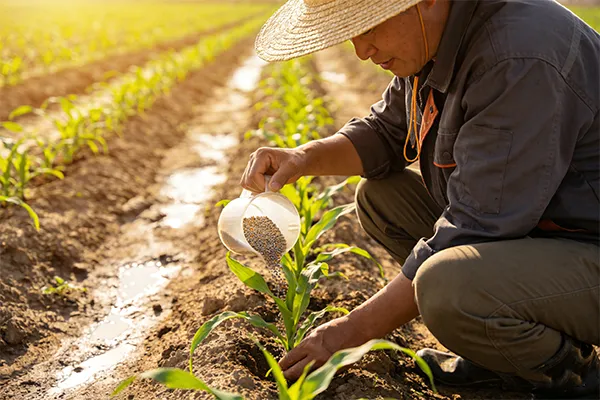
Should You Fertilize Your Lawn Before or After Rain? Best Timing for a Healthy Lawn
Yes. A home lawn, sports turf field, golf area, and commercial farm may all use fertilizer, but their management goals differ. A home lawn needs steady color and simple care. Sports turf needs wear recovery. Farms need yield, cost control, and crop nutrient planning.
For turf, rain timing is very important because lawns often sit near roads, sidewalks, drains, and homes. For farms, rainfall also affects nutrient movement, leaching, and field access. In both cases, fertilizer should be applied when soil can absorb it.
That is why fertilizer buyers should choose products based on the final use. A turf product may focus on color, controlled release, and low burn risk. A farm fertilizer may focus on crop yield, nutrient balance, and cost per hectare. One market. Many needs.
It is usually best to fertilize after rain, once the lawn is damp but not soaked. You can fertilize before light rain, but avoid fertilizing before heavy rain because runoff can wash away the fertilizer.
No, it is best to avoid fertilizing before heavy rain. Heavy rain can wash fertilizer away from the lawn and carry nutrients into drains, ponds, or waterways.
You can fertilize your lawn after heavy rain, but wait until the lawn drains and the grass blades dry. Do not apply fertilizer on soggy soil or standing water.
Yes, many lawn fertilizer products need to be watered in. Granular fertilizer needs water to dissolve and move nutrients into the soil. Follow the label and avoid overwatering.
If it is light rain, that can help. If it becomes heavy rain shortly after application, some fertilizer may wash away. Do not reapply immediately unless you can confirm how much was lost.
The best time to fertilize your lawn is when grass is actively growing, the soil has moisture, the grass blades are mostly dry, and no heavy rain is expected soon.