Avoid your inquiry is delay response, please enter your WhatsApp/Skype along with the message, so we can contact you at the very first time.
We will reply you within 24 hours. If for urgent case, please add WhatsApp/WeChat: ,. Or call directly.
Using too much fertilizer can burn crops. Using too little can leave plants weak, pale, and slow. The real problem is not “more or less.” It is timing. With the right NPK fertilizer schedule, you feed plants when they need nutrients most.
Most crops use NPK fertilizer 2–4 times during the growing season: once before or at planting, then 1–3 times during active growth, flowering, and fruit development. The exact fertilizer application depends on the crop, soil test results, NPK ratio, growth stage, weather, and whether the product is granular, liquid, or slow-release.
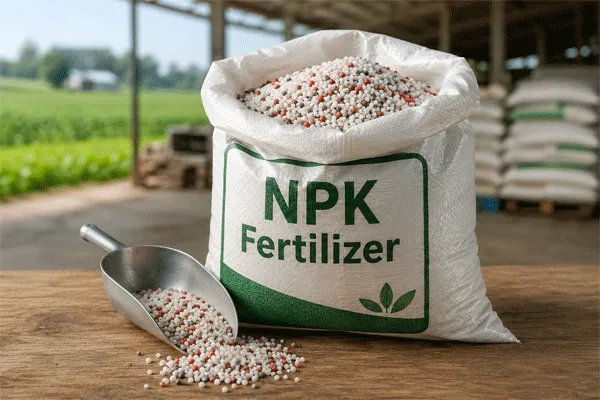
NPK fertilizer is a fertilizer that contains three key plant nutrients: nitrogen, phosphorus, and potassium. These are often called primary macronutrient elements because plants require them in larger amounts than many other nutrients. On a bag, the N-P-K numbers show the percentage of each nutrient in the product.
For example, a 15-15-15 compound fertilizer has 15% nitrogen, 15% phosphorus, and 15% potassium by nutrient labeling standard. A 20-10-10 fertilizer contains more nitrogen, while a 10-20-10 product gives more phosphorus. This simple ratio helps a farmer, gardener, importer, or fertilizer brand owner choose the right type of fertilizer for the right crop.
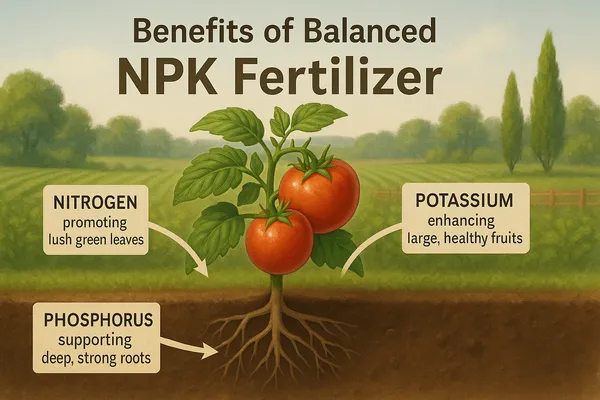
The Royal Horticultural Society explains that nitrogen supports leafy growth, phosphorus supports root and shoot growth, and potassium supports flowering, fruiting, and plant strength. The University of Minnesota Extension also notes that nitrogen, phosphorus, and potassium are the three primary nutrients plants need for healthy roots, leaves, flowers, and fruit.
How Many Times Should I Use NPK Fertilizer for Better Plant Growth?
In many field and garden situations, you can use NPK fertilizer 2–4 times in one growing season. The first application often happens before planting or at planting. The next fertilizer application may happen during early plant growth. A third or fourth feeding may support flowering, fruit, tuber filling, or late-season yield.
A simple schedule looks like this:
| Crop Situation | Common NPK Application Timing | Notes |
|---|---|---|
| Leafy vegetables | At planting + 1–2 side dressings | Often need more nitrogen |
| Flowering plants | Before planting + before bloom | Avoid too much nitrogen near bloom |
| Fruit crops | Early growth + flower and fruit stage | Potassium becomes important |
| Grain crops | Basal fertilizer + topdressing | Split nitrogen fertilizer is common |
| Container plants | Small doses more often | Nutrients wash out faster |
| Slow-release products | 1–2 times per season | Follow label directions |
So, the answer is not one fixed number. Different plants have varying fertilizer needs. A tomato field, rice crop, maize field, flower nursery, and orchard do not all need the same plan. Good fertilizer use always starts with plant needs, soil condition, and a clear crop goal.
A soil test is one of the smartest tools before applying fertilizer. It tells you what the soil already has and what it lacks. Without a soil test, you may add phosphorus when the soil already has enough. Or you may miss a potassium shortage that is holding back yield.
The University of Minnesota Extension says soil testing helps determine soil texture, pH, organic matter, phosphorus, potassium, and fertilizer recommendations. Penn State Extension also describes soil testing as a tool for identifying fertility levels and lime and fertilizer needs for crops.
For large farms, cooperatives, and government agricultural projects, soil test results are more than agronomy data. They help control cost. They reduce waste. They also protect soil health. As a China-based manufacturer and exporter of high-quality fertilizer products, we often recommend that B2B buyers match NPK products with local soil test results before building a bulk purchase plan.
Nitrogen promotes leaf and stem growth. It helps plants look green and active. If plants lack nitrogen, older leaves may turn yellow, and growth may slow. But too much nitrogen can create lush leafy growth with poor flower and fruit formation. More is not always better.
Phosphorus supports root development, early root growth, energy transfer, and flowering. Young plants often need good phosphorus availability for strong root establishment. Some crops may need more phosphorus during early growth or reproductive stages, especially when soil is deficient.
Potassium helps plant health, water movement, stress tolerance, disease resistance, and fruit quality. It is very important for flower and fruit crops, tubers, vegetables, and many commercial crops. A balanced fertilizer improves crop performance because it supports more than one part of the plant system.
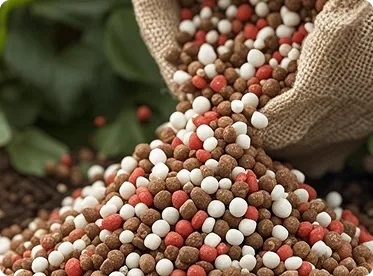
The best NPK ratio depends on crop type, soil fertility, and growth stage. Balanced fertilizers such as 15-15-15, 16-16-16, or 20-20-20 are often used when general plant nutrition is needed. A balanced NPK product is useful for broad crop support, especially when growers want simple field management.
For leafy vegetables, lawns, and early vegetative crops, a higher nitrogen fertilizer may be suitable. For root crops, young plants, and crops that need root development, plants may need more phosphorus. For fruit, flower, and tuber crops, higher potassium may help during the reproductive stage.
Here is a simple buyer-friendly guide:
| Plant Type | Common Nutrient Focus | Example NPK Direction |
|---|---|---|
| Leafy vegetables | Nitrogen | Higher N ratio |
| Flowering plants | Phosphorus and potassium | Lower N, higher P/K |
| Fruit crops | Potassium | Balanced early, higher K later |
| Young plants | Root development | Moderate N, good P |
| Ornamental plants | Balanced growth | Balanced NPK ratios |
| Poor soil | Depends on soil test | Custom formula may be better |
For distributors and OEM fertilizer brands, this is also a product strategy issue. One market may need balanced NPK compound fertilizer for general crops, while another may need high-potassium formulas for fruit farming.
How Many Times Should I Use NPK Fertilizer for Better Plant Growth?
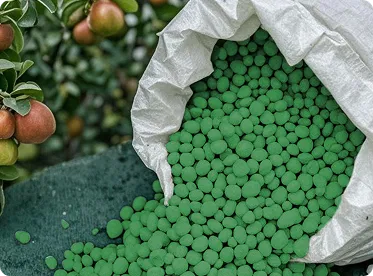
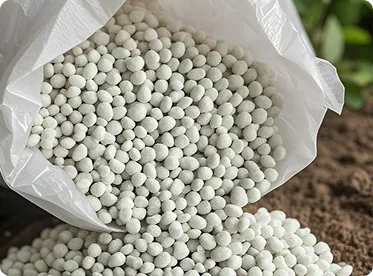
Granular NPK fertilizer is often applied less often than liquid fertilizer because it releases nutrients over a longer period. Many farms use granular fertilizer at planting, then add one or two extra applications during the growing season. Some slow-release products may only need one main application, depending on the crop and product design.
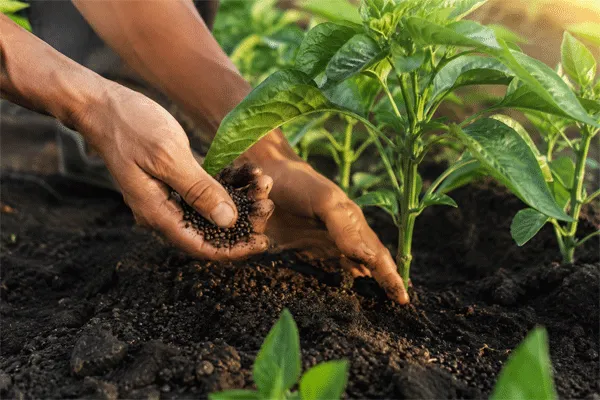
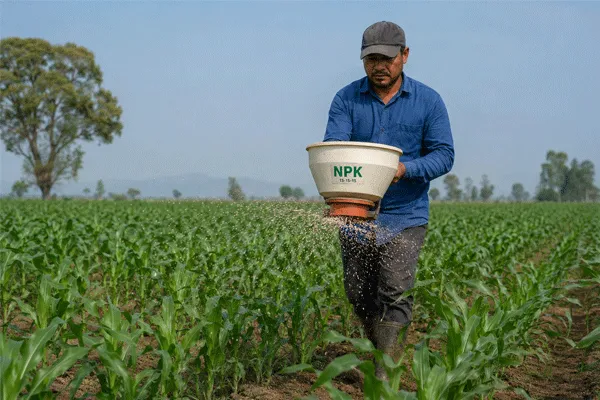
When applying NPK fertilizer in granular form, spread it evenly and avoid direct contact with seeds or tender roots unless the product is designed for that use. Place fertilizer near the root zone, not in random piles. Uneven application can cause weak spots, crop burn, or waste.
The RHS advises users to follow product instructions for application method, timing, and dosage, because fertilizer products differ in form and release behavior. This is important for granular, liquid, powder, and controlled-release products.
Liquid fertilizer often works faster than dry fertilizer, so growers may apply it in smaller doses more often. For container plants, greenhouse crops, and intensive vegetables, liquid feeding may happen every 1–2 weeks, depending on the product label, crop stage, and irrigation system.
Liquid fertilizer can be useful when plants need a quick nutrient boost. It can also help correct nutrient deficiencies more rapidly than some dry materials. But there is a risk: if the concentration is too strong, roots or leaves may be damaged. Always dilute correctly.
For professional farms and greenhouse buyers, liquid NPK application should fit the irrigation system and water quality. The fertilizer contains nutrients, but water pH, salinity, and compatibility also matter. This is why large buyers often request technical support before placing repeat orders.
Crops often need more nitrogen during early and leafy growth. Nitrogen is essential for plant growth because it supports green leaves and fast biomass development. If you apply nitrogen at the wrong time, however, some plants may produce too many leaves and fewer flowers.
Crops need phosphorus for root development, early establishment, and reproductive growth. Plants lacking phosphorus may grow slowly, show dull color, or develop poor roots. In cold or compacted soil, phosphorus availability may also become limited, even when some phosphorus exists in the soil.
Potassium becomes very important during flower and fruit development. It supports fruit size, crop quality, stress tolerance, and disease resistance. For commercial farm owners, this stage is where fertilizer application can strongly affect marketable yield. A crop may look healthy early, then fail later if potassium is low.
To use NPK fertilizer effectively, start with soil test results, choose the right ratio, apply at the correct growth stage, and follow application rates. Do not guess. Do not copy a neighboring farm without checking crop and soil conditions. Fertilizer needs change by field, season, and crop.
Best practices include:
Organic fertilizer can help improve soil structure and organic matter, but it may not release nutrients as quickly or precisely as mineral fertilizer. In many farms, a smart program uses both organic and inorganic fertilizer sources. That gives crops nutrients and supports long-term soil health.
Too much fertilizer can harm plants. Leaves may burn, roots may suffer, and salts may build up in the soil. Too much nitrogen may create soft growth that is more open to pests and disease. Too much phosphorus or potassium may also block the uptake of other plant nutrients such as magnesium.
Overuse also wastes money. For distributors and cooperatives, this matters. If farmers feel that fertilizer does not perform well, they may blame the product, even when the real issue is over-application or wrong timing. Clear user guidance protects both crop results and brand trust.
The University of Minnesota Extension notes that the goal is to supply enough nitrogen, phosphorus, and potassium without applying too many nutrients, because excess nutrients can create environmental issues.
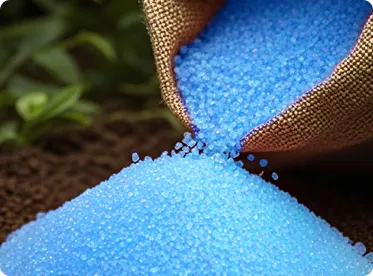
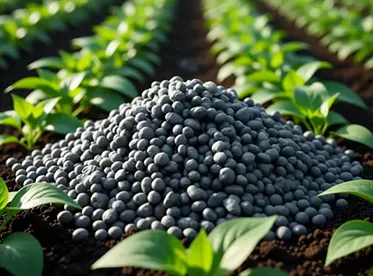
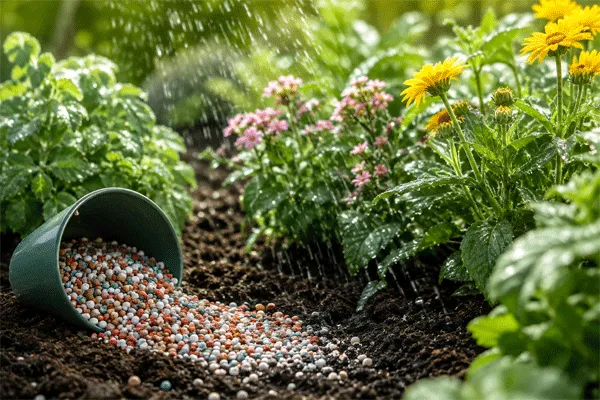
There are several types of NPK fertilizer. The most common are granular compound fertilizer, blended fertilizer, water-soluble powder, liquid fertilizer, and slow-release fertilizer. Each type serves a different farm or market need.
| Type of Fertilizer | Main Advantage | Common Use |
|---|---|---|
| Granular compound fertilizer | Stable and easy to spread | Field crops, vegetables, orchards |
| Bulk blended NPK | Flexible formulas | Regional fertilizer distributors |
| Water-soluble NPK | Fast nutrient delivery | Greenhouses, fertigation |
| Liquid fertilizer | Quick use and easy mixing | Horticulture, drip systems |
| Slow-release NPK | Longer nutrient supply | Nursery, turf, ornamental plants |
For B2B buyers, types of NPK are also linked to packaging and market positioning. A farm cooperative may prefer 50 kg bags. A retail brand may need 1 kg, 5 kg, or 25 kg bags. A large importer may choose jumbo bags for local repacking. We support custom NPK fertilizer formulas and packaging for different market needs.
How Many Times Should I Use NPK Fertilizer for Better Plant Growth?
A reliable supplier should offer stable quality, clear specifications, export documents, flexible packaging, and responsive service. For importers and agricultural distributors, the best fertilizer is not only about price per ton. It must arrive on time, match the label, flow well, store well, and satisfy local buyers.
Check these points before purchasing:
As a leading manufacturer and exporter of high-quality fertilizer products based in China, we work with agricultural distributors, importers, farm cooperatives, government and NGO agricultural projects, and OEM fertilizer brands.
A vegetable farm wants better leaf color, stronger roots, and more marketable fruit. The farmer has used one fertilizer for every crop, every month. Some leafy vegetables look good, but fruit crops produce too many leaves and not enough fruit. This is common.
A better plan may look like this:
| Stage | Fertilizer Plan | Purpose |
|---|---|---|
| Before planting | Balanced NPK + organic matter | Prepare soil and root zone |
| Early growth | Moderate nitrogen | Build leaves and stems |
| Before flowering | Lower nitrogen, more phosphorus and potassium | Support flower and fruit |
| Fruit filling | Higher potassium | Improve fruit quality and plant health |
This schedule is easy to understand and easy to sell. It also helps reduce waste. For distributors, this kind of simple guidance can turn one-time fertilizer sales into repeat seasonal supply. For project buyers, it can support farmer training and better field results.
China has a strong fertilizer supply chain, mature export experience, and flexible production capacity. For global buyers, sourcing from China can support competitive pricing, broad formula options, and OEM packaging programs.
We focus on practical B2B value. That means we do not only sell fertilizer. We help buyers choose a product that fits the crop, market, bag size, and logistics plan. For a distributor, that may mean a popular 15-15-15 or 20-20-20. For a farm project, it may mean a formula based on soil test results. For a brand owner, it may mean custom bags with clear labels and stable supply.
If you need NPK fertilizer for wholesale, government agriculture programs, commercial farms, or private label brands, we can help you compare specifications, packaging, and shipment options. A good supply plan makes selling easier. It also helps farmers use the product with more confidence.
Most crops use NPK fertilizer 2–4 times in one growing season. Apply once before or at planting, then feed again during active growth, flowering, or fruit development. Always adjust based on crop type, soil test, and product label.
You should not use granular NPK fertilizer every week unless the product instructions clearly allow it. Liquid fertilizer may be used more often in small diluted doses, especially for containers or greenhouse crops. Too much fertilizer can damage roots.
Leafy vegetables often need more nitrogen. Fruiting vegetables usually need balanced nutrition early and more potassium during flower and fruit stages. A soil test is the best way to choose the right NPK ratio.
In many cases, it is better to apply fertilizer when soil has some moisture, then water lightly after application. This helps nutrients move into the root zone and reduces the risk of root burn. Follow the product label.
NPK fertilizer supplies specific nutrients, but organic fertilizer improves soil health and organic matter. Many growers use both. NPK gives targeted nutrition, while organic materials help soil structure and long-term fertility.
The best fertilizer depends on the crop, soil, growth stage, and target result. A balanced NPK fertilizer is useful for general growth, but different plants have specific needs. Soil testing makes the choice more accurate.