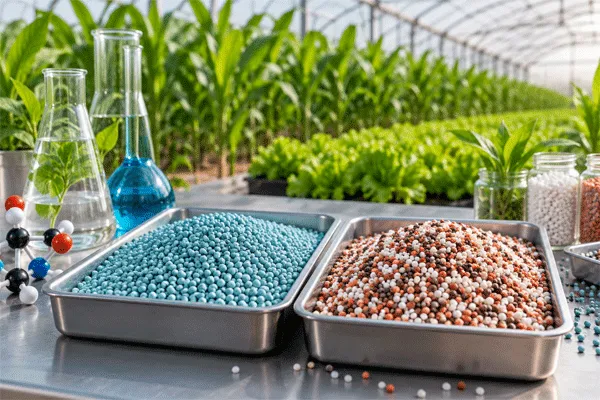
Avoid your inquiry is delay response, please enter your WhatsApp/Skype along with the message, so we can contact you at the very first time.
We will reply you within 24 hours. If for urgent case, please add WhatsApp/WeChat: ,. Or call directly.
Many growers struggle to choose the right fertilizer because they see numbers like 10-10-10, 20-20-20, or 3-1-2 but do not know what they mean. Using the wrong formulation can waste money, reduce plant performance, and limit crop yield. As a China-based fertilizer manufacturer and exporter, we help agricultural distributors, commercial farms, and OEM fertilizer brands select suitable NPK formulations for different crops and markets.
The normal NPK ratio in fertilizer depends on the crop and growth stage, but common NPK ratios include 10-10-10, 5-5-5, 20-20-20, and 3-1-2. The three numbers represent the percentage of nitrogen (N), phosphorus (P), and potassium (K) in the fertilizer. A balanced fertilizer such as 10-10-10 provides equal amounts of the three macronutrients, while other ratios are designed for specific plant needs.

The NPK ratio is one of the most important indicators on every fertilizer label. It tells buyers the relative concentration of the three primary nutrients required for healthy plant growth: nitrogen, phosphorus, and potassium.
For example, a fertilizer labeled 10-10-10 contains three equal percentages of these nutrients. The first number represents nitrogen, the second represents phosphorus, and the third represents potassium. Understanding this ratio helps farmers, distributors, and fertilizer buyers select products based on crop requirements rather than simply choosing the highest number.
As a professional fertilizer manufacturer and exporter in China, we produce fertilizer products with different nutrient combinations to meet various agricultural applications. Our customers include wholesalers, agricultural distributors, commercial farms, and private fertilizer brands looking for reliable OEM production.
The NPK ratio does not mean the total weight of nutrients inside a bag. Instead, it represents nutrient percentages by weight. For example:
| Fertilizer Type | NPK Ratio | Nitrogen | Phosphorus | Potassium | Main Purpose |
|---|---|---|---|---|---|
| Balanced fertilizer | 10-10-10 | 10% | 10% | 10% | General plant nutrition |
| High nitrogen fertilizer | 20-10-10 | 20% | 10% | 10% | Leafy growth |
| Root development fertilizer | 10-20-10 | 10% | 20% | 10% | Root establishment |
| Flower and fruit fertilizer | 10-10-20 | 10% | 10% | 20% | Bloom and fruit production |
For international buyers, understanding fertilizer ratios is especially important because different countries, climates, and farming systems require different nutrient solutions.
A distributor serving vegetable growers may need a different product portfolio compared with a supplier serving lawn care, greenhouse production, or large-scale commercial farming.
The three numbers on a fertilizer label are called N-P-K numbers. They show the nutrient content of the fertilizer formulation.
The first number stands for nitrogen. The second number represents phosphorus, and the third number represents potassium. Together, these three nutrients create the basic structure of plant nutrition.
Nitrogen is responsible for strong green foliage, leaf production, and overall vegetative growth. Plants that need more leaf development usually benefit from fertilizer with a higher nitrogen percentage.
Examples include:
A fertilizer that is high in nitrogen can encourage faster leaf expansion, but too much nitrogen may create excessive foliage growth while reducing flower and fruit production.
Phosphorus plays an important role in root development, energy transfer, and reproductive growth. It helps plants establish strong root systems and supports flowering processes.
Crops requiring strong root development often benefit from fertilizer with increased phosphorus levels.
Examples include:
Potassium helps regulate water movement, improve stress resistance, and support overall plant strength. It is especially valuable during flowering and fruit production stages.
Potassium can help plants better handle:
For commercial farmers, understanding these three nutrients allows better fertilizer management and improved crop efficiency.
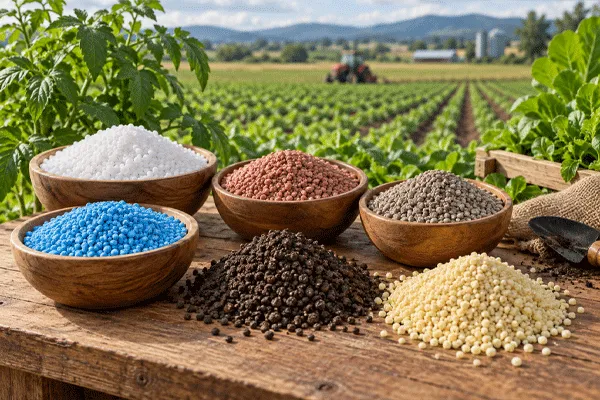
There are many common NPK ratios available because crops have different nutritional demands. The best choice depends on crop type, soil condition, climate, and growth stage.
Some widely used fertilizer ratios include:
| NPK Ratio | Type of Fertilizer | Common Applications |
|---|---|---|
| 10-10-10 | Balanced fertilizer | General gardening and agriculture |
| 5-5-5 fertilizer | Mild balanced formulation | Gardens and young plants |
| 20-20-20 | Complete soluble fertilizer | Greenhouses and commercial crops |
| 3-1-2 ratio | General plant nutrition | Turf and foliage plants |
| 10-20-10 | Phosphorus-rich fertilizer | Root development |
| 15-5-20 | High potassium fertilizer | Flowering and fruiting crops |
A ratio like 10-10-10 is often considered a general-purpose fertilizer because it supplies equal levels of the three major nutrients. Balanced fertilizers contain equal amounts of nitrogen, phosphorus, and potassium, making them suitable for a wide range of plants.
However, professional growers usually choose more targeted formulations instead of relying only on balanced fertilizer.
For example:
As a fertilizer manufacturer, we develop different fertilizer formulations based on customer requirements, including bulk fertilizer supply, private label fertilizer production, and customized nutrient ratios for international markets.
Understanding NPK nutrition is essential for selecting the right fertilizer. These three nutrients work together, but each has a different role in plant growth.
Nitrogen supports chlorophyll production, which allows plants to capture sunlight efficiently. When nitrogen levels are insufficient, plants may show slow growth and yellowing leaves.
However, excessive nitrogen can create an imbalance. Plants may grow many leaves but produce fewer flowers or fruits.
Phosphorus is essential during early growth because it supports root formation and energy transfer inside plants.
Strong roots improve:
This is why phosphorus-rich fertilizers are often applied during planting or transplanting.
Potassium contributes to stronger plant structures and better resistance against environmental stress.
For fruiting plants, potassium can support:
The balance between nitrogen, phosphorus, and potassium determines how fertilizer supports different plant growth objectives.
Selecting the correct NPK ratio requires understanding crop requirements instead of simply choosing the fertilizer with the largest numbers.
The right fertilizer depends on several factors:
A commercial farm growing tomatoes may need different fertilizer products during:
For example:
| Crop Stage | Recommended Nutrient Focus |
|---|---|
| Early growth | Nitrogen and phosphorus for roots |
| Leaf development | Higher nitrogen formulation |
| Flowering stage | More phosphorus and potassium |
| Fruit production | Higher potassium fertilizer |
For agricultural distributors and importers, offering multiple fertilizer options helps serve different customers. A complete product portfolio may include:
A professional fertilizer supplier should not only provide products but also technical support to help buyers select suitable solutions.
As an experienced fertilizer exporter from China, we work with global partners to develop fertilizer products that match local market demands, crop systems, and packaging requirements.
Plants do not require the same amount of nutrients throughout their entire life cycle. The growth stage determines which nutrients are most important, which is why fertilizer manufacturers develop different NPK formulations for different agricultural applications.
During early growth, plants usually need more phosphorus because it supports root development and helps young plants establish strong root systems. During the vegetative growth stage, nitrogen becomes more important because plants focus on producing leaves, stems, and foliage.
During the flowering and fruiting stages, many crops require more potassium to improve flower quality, fruit development, and crop performance. Choosing the correct NPK ratio at each stage helps plants receive the nutrients they need when they need them most.
| Growth Stage | Main Nutrient Demand | Suitable NPK Characteristics | Typical Applications |
|---|---|---|---|
| Seedling stage | Phosphorus | Higher phosphorus formulation | Seedlings, transplanting |
| Vegetative stage | Nitrogen | High nitrogen fertilizer | Leafy vegetables, lawns |
| Flowering stage | Phosphorus + Potassium | Bloom-support formulation | Flower crops |
| Fruiting stage | Potassium | High potassium formulation | Fruits and vegetables |
For example, a tomato grower may use a fertilizer with more nitrogen during early plant growth, then switch to a potassium-focused formulation when fruit begins to develop. The same principle applies to many crops, including vegetables, flowers, shrubs, and commercial fruit plants.
As a fertilizer manufacturer and exporter, we provide customized fertilizer solutions based on crop requirements, regional farming conditions, and customer markets. Our fertilizer products are designed for agricultural distributors, commercial farms, and fertilizer brand owners requiring reliable OEM production.
Choosing fertilizer according to plant growth stage improves nutrient availability, reduces unnecessary fertilizer use, and supports more efficient agricultural production.
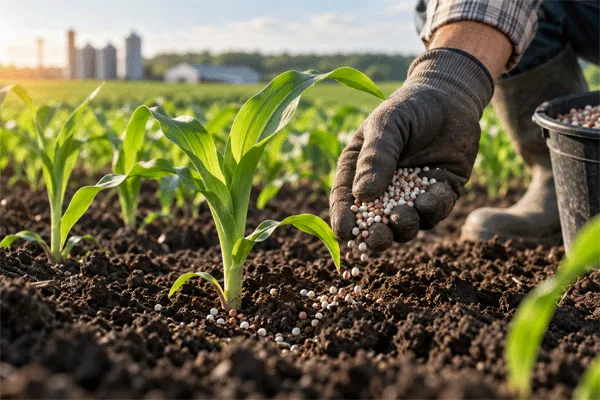
A balanced fertilizer contains similar amounts of nitrogen, phosphorus, and potassium. A common example is 10-10-10 fertilizer, which provides equal levels of all three macronutrients.
Balanced fertilizer is often used as an all-purpose fertilizer because it provides general nutrition for a wide range of plants. It can be suitable for gardens, landscaping, and crops that require a moderate supply of all three nutrients.
However, commercial agriculture often requires more specialized products. Different crops have different nutritional demands, so fertilizer manufacturers create specific formulations to achieve better results.
Common balanced formulations include:
A bag of 10-10-10 contains equal percentages of nitrogen, phosphorus, and potassium. This makes it a flexible choice for general plant nutrition.
Specialized fertilizer products are designed for specific purposes, such as:
| Fertilizer Type | NPK Focus | Application |
|---|---|---|
| High nitrogen fertilizer | More nitrogen | Leaf growth |
| Phosphorus-rich fertilizer | More phosphorus | Root development |
| High potassium fertilizer | More potassium | Flower and fruit quality |
| Water-soluble fertilizer | Fast nutrient availability | Irrigation systems |
Modern farming increasingly depends on specialized NPK formulations because growers want better efficiency, improved yields, and more precise nutrient management.
For fertilizer distributors and importers, a diversified product range creates more market opportunities. Different customers may need fertilizer for vegetables, flowers, lawns, orchards, greenhouse production, or large-scale agricultural projects.
Our company supports OEM fertilizer production, allowing partners to customize:
This flexibility helps fertilizer brands develop products suitable for their local markets.
A soil test is one of the most reliable methods for selecting the correct NPK ratio. Without knowing existing soil conditions, farmers may apply unnecessary nutrients or create an imbalance.
Soil testing measures important factors such as:
For example, if soil already contains sufficient phosphorus but lacks nitrogen, using a phosphorus-heavy fertilizer may not provide additional benefits. A nitrogen-focused fertilizer could be a better choice.
Professional growers use soil test results together with crop requirements to select suitable fertilizer products.
The decision process usually follows:
Soil analysis → Crop requirement → Growth stage → Fertilizer selection → Application plan
This approach improves fertilizer efficiency and reduces nutrient waste.
For government agricultural projects, NGOs, and large farming cooperatives, soil-based fertilizer recommendations are especially important because they support sustainable agricultural development across different regions.
As a global fertilizer supplier, we help customers select suitable fertilizer solutions according to:
Our technical team works with partners to develop suitable fertilizer products instead of providing one standard solution for every application.
A water-soluble fertilizer is designed to dissolve quickly in water, allowing plants to absorb nutrients efficiently through irrigation systems or foliar applications.
Compared with traditional granular fertilizers, soluble fertilizer provides faster nutrient delivery and allows growers to control nutrient concentration more precisely.
Common applications include:
A typical water-soluble fertilizer may include formulations such as:
The advantages of water-soluble fertilizer include:
| Feature | Benefit |
|---|---|
| Fast dissolution | Quick nutrient access |
| Accurate application | Better fertilizer management |
| Suitable for irrigation | Supports modern farming systems |
| Flexible formulation | Fits different crop stages |
However, the best fertilizer choice depends on farming conditions. Traditional granular fertilizer may still be preferred for certain field crops because of longer nutrient release.
Synthetic fertilizers and soluble fertilizers both have important roles in agriculture. The correct choice depends on crop requirements, application methods, and production goals.
For international fertilizer buyers, product quality, consistency, and supply reliability are critical. As a professional fertilizer manufacturer in China, we provide stable fertilizer production, customized formulations, and export solutions for global agricultural markets.
The NPK ratio mean refers to the relationship between nitrogen, phosphorus, and potassium in fertilizer. The three numbers on a fertilizer label show the percentage of each nutrient by weight. For example, 10-10-10 contains equal amounts of nitrogen, phosphorus, and potassium.
The common NPK ratios include 10-10-10, 5-5-5, 20-20-20, and 3-1-2 ratio. These formulations are widely used because they provide different nutrient balances for various crops and applications.
10-10-10 fertilizer is a balanced fertilizer suitable for many general applications, but it may not always be the best fertilizer for every crop. Plants with specific nutrient requirements may need specialized formulations.
To choose the right fertilizer, consider crop type, soil condition, climate, and growth stage. A soil test combined with crop nutrient requirements provides the most accurate fertilizer recommendation.
Fruiting and flowering plants often benefit from fertilizers with increased phosphorus and potassium because these nutrients support bloom development and fruit quality. The exact formulation depends on the crop and growing conditions.
The fertilizer numbers mean the percentage of nitrogen, phosphorus, and potassium contained in the product. The first number represents nitrogen, the second phosphorus, and the third potassium.