Avoid your inquiry is delay response, please enter your WhatsApp/Skype along with the message, so we can contact you at the very first time.
We will reply you within 24 hours. If for urgent case, please add WhatsApp/WeChat: ,. Or call directly.
Poor tomato fertilizer choice can grow big leaves but weak flowers, low fruit set, and uneven tomato yield. Too much nitrogen looks impressive at first. Then the fruit disappoints. The solution is matching the NPK ratio to each tomato growth stage.
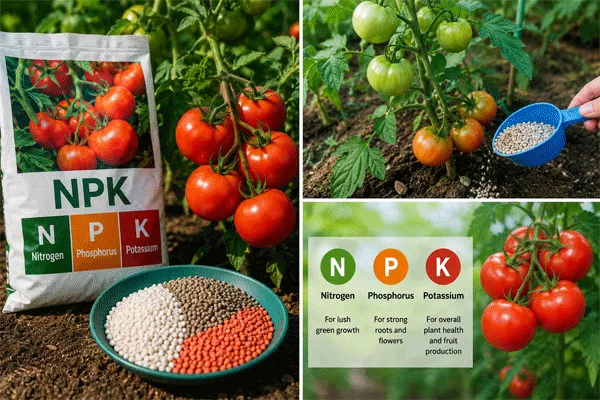
Tomato food usually has an NPK ratio with moderate nitrogen and higher phosphorus or potassium, such as 5-10-10, 4-6-8, 6-3-9, or stage-based formulas. Young tomato plants need balanced nutrition, while flowering and fruiting tomatoes usually need more potassium and controlled nitrogen for better fruit production and quality.
What Is the NPK of Tomato Food? Best NPK Ratio for Tomato Fertilizer and Tomato Plant Nutrition
The NPK of tomato food depends on the formula, crop stage, soil condition, and growing method. Common tomato food may use ratios such as 5-10-10, 4-6-8, 6-3-9, 8-32-16 starter formulas, or balanced 10-10-10 in some soil situations. There is no single universal best formula for every tomato field, greenhouse, or garden.
In general, a young tomato plant needs enough nitrogen for early foliage and root growth, while flowering and fruiting plants often need more phosphorus and potassium. The fertilizer label shows the percentage of nitrogen, phosphate, and potash as N-P-K. For example, the University of Minnesota explains that an 8-2-4 fertilizer contains 8% nitrogen, 2% phosphate, and 4% potash.
For agricultural distributors, commercial farm owners, cooperatives, and OEM fertilizer brands, the real goal is not just to sell “tomato food.” The goal is to match the npk ratio with local soil, irrigation, cultivar, and crop yield goals. That is where custom NPK fertilizer for vegetable crop nutrition can bring better market value.
NPK stands for nitrogen, phosphorus, and potassium. These are the three major nutrients most fertilizer labels show first. They do not tell the whole story, but they tell the buyer a lot.
For tomatoes:
| NPK Element | Main Role in Tomato Growth | Too Much Can Cause |
|---|---|---|
| Nitrogen | Leaf and stem growth | Excessive vegetative growth, fewer flowers |
| Phosphorus | Root growth, flower energy, early development | Waste if soil already has enough |
| Potassium | Fruit size, fruit quality, stress tolerance | Possible nutrient imbalance if overused |
Nitrogen, phosphorus, and potassium are among the nutrients most likely to need fertilizer support for optimum plant growth, according to University of Minnesota Extension. But tomatoes also need calcium, magnesium, sulfur, boron, zinc, and other trace nutrients. Small nutrients, big consequences.
A tomato fertilizer should support the full plant, not just push green leaves. For professional farms, that means balancing tomato nutrient needs across the root, stem, flower, and fruit stages.
A tomato plant is a heavy feeder. It grows roots, stems, leaves, flowers, and fruit in a short production window. That takes energy. It also takes a steady nutrient supply.
Nitrogen supports green foliage and early plant growth. Without enough nitrogen, tomato leaves may turn pale and weak. With too much nitrogen fertilizer, the plant may grow too many leaves and delay flower and fruit production.
Phosphorus supports root development and flower formation. Yara notes that phosphorus provides energy needed for flowering, pollination, and fruit setting, while potassium supports flowering and early fruit development.
Potassium is the big fruit quality nutrient. It helps move sugars, supports fruit filling, and improves crop stress tolerance. Haifa’s tomato nutrition guide notes that during fruit development, tomato fruit becomes a strong sink for potassium, and potassium absorption increases.
The best NPK for tomatoes changes with the growth stage. A seedling does not need the same formula as a fruit-loaded greenhouse tomato. This is where many growers lose money. They use one fertilizer all season and hope the plant will “figure it out.” Plants are talented, but they are not magicians.
A practical tomato fertilizer program may look like this:
| Tomato Growth Stage | Main Goal | Suggested Fertilizer Direction |
|---|---|---|
| Seedling / young tomato | Root and early plant growth | Mild balanced fertilizer |
| Transplanting | Strong roots and recovery | Higher phosphorus starter formula |
| Vegetative growth | Healthy stems and foliage | Moderate nitrogen with balanced nutrients |
| Flower stage | Flower and fruit setting | Controlled nitrogen, more phosphorus and potassium |
| Fruiting stage | Fruit size and quality | Higher potassium fertilizer |
| Late harvest | Maintain plant health | Balanced soluble feeding based on crop load |
For field growers, greenhouse tomato producers, and commercial farms, the best npk fertilizer for tomatoes should be adjusted by soil test, irrigation water, plant tissue testing, and expected yield. Oklahoma State University notes that soil test reports provide nitrogen, phosphorus, and potassium fertilizer recommendations for vegetable crops.
For buyers who need stable supply for different markets, custom water-soluble fertilizer for fertigation systems can be designed for different tomato growth stages.
10-10-10 fertilizer is a balanced formula. It can work for some tomato situations, especially where soil nutrient levels are low and a general starter fertilizer is needed. But it is not always the best fertilizer for tomatoes during flowering and fruiting.
The problem is nitrogen. If a tomato crop gets too much nitrogen during the flower and fruit stage, it may grow lush foliage instead of strong fruit. Pretty leaves. Sad harvest. That is not the trade you want.
Use 10-10-10 carefully when:
For the fruit stage, many growers prefer fertilizer ratios with higher potassium, such as 5-10-10, 4-6-8, 6-3-9, or crop-specific formulas. The correct choice depends on soil, water, tomato cultivars, and production goals.
Potassium is one of the most important nutrients for tomato fruit. It supports fruit filling, soluble solids, firmness, color development, transport of sugars, and overall fruit quality. This matters for fresh market tomatoes, processing tomatoes, cherry tomatoes, and greenhouse tomato production.
Research on tomato nutrient uptake shows that potassium demand rises strongly around flowering and fruiting, and during fruiting potassium becomes the most required element. That is why many tomato programs increase potassium level after early vegetative growth.
A high-potassium fertilizer can help when fruit production is the main goal. But again, balance matters. Potassium should work together with calcium, magnesium, nitrogen, phosphorus, and trace elements. Too much of one nutrient can block another. Fertilizer is teamwork in a bag.
For growers focused on fruit size and firmness, potassium fertilizer for fruit quality and crop yield can be positioned as part of a professional tomato nutrition program.
Yes, organic fertilizer can be good for tomatoes, especially when it improves soil structure, microbial activity, moisture holding, and slow nutrient release. Compost, manure-based products, humic acid fertilizers, seaweed products, amino acid fertilizers, and organic NPK products can all support healthy tomato growth.
But organic does not mean automatic. An organic tomato program still needs correct nutrient balance. If the fertilizer organic material releases too much nitrogen and too little potassium, the plants may grow leaves instead of fruit. If release is too slow, the crop may run short during peak fruit demand.
Organic options are useful for:
For distributors and OEM brands, organic fertilizer for sustainable tomato crops can serve farms that want residue-conscious, soil-friendly, and brandable fertilizer solutions.
What Is the NPK of Tomato Food? Best NPK Ratio for Tomato Fertilizer and Tomato Plant Nutrition
Both granular and soluble fertilizer can work well. The best choice depends on the farming system.
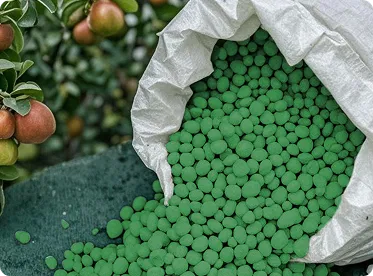
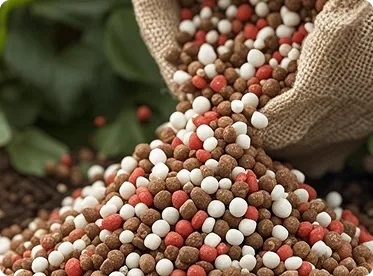
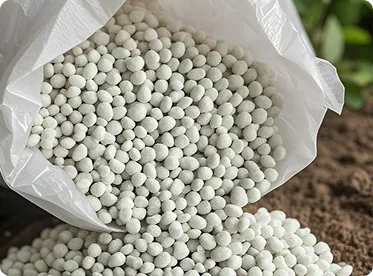
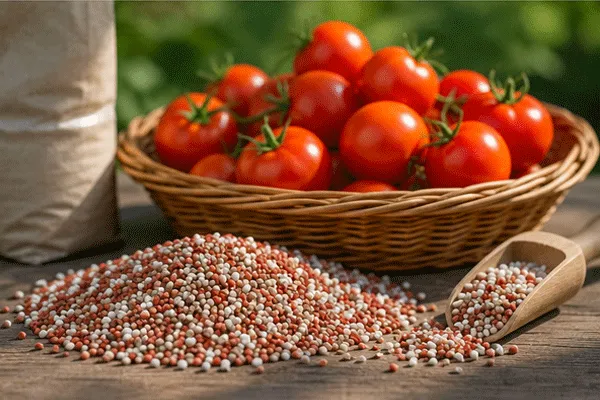
Granular fertilizer is often used before planting or as side-dressing. It is practical for open-field tomato crops because it is easy to transport, store, and apply. A slow release fertilizer may also help reduce nutrient loss and support steady feeding.
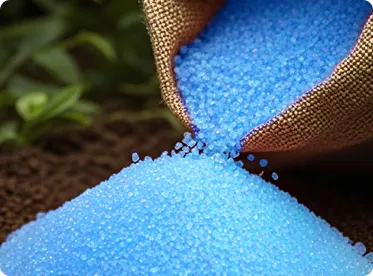
Soluble fertilizer works well for fertigation, drip irrigation, greenhouse tomato systems, and fast nutrient correction. It dissolves in water and can feed plants more evenly through irrigation. This is helpful when growers want to adjust fertilizer application during different tomato growth stages.
| Fertilizer Type | Best For | Buyer Advantage |
|---|---|---|
| Granular fertilizer | Field application, base fertilizer, side dressing | Easy handling and bulk supply |
| Water-soluble fertilizer | Drip irrigation, greenhouse, fertigation | Fast feeding and precise control |
| Liquid fertilizer | Small farms, home gardens, quick correction | Easy application |
| Organic fertilizer | Soil health and long-term release | Sustainable positioning |
| Custom NPK fertilizer | Commercial crop programs | Targeted crop performance |
For importers and cooperatives, bulk granular fertilizer for agricultural distributors is usually easier to manage in large seasonal orders.
You should apply NPK based on soil test results, crop stage, field condition, and irrigation method. Do not place strong fertilizer directly on young roots or stems. Tomatoes need food, not a chemical slap in the face.
A common fertilizer application plan includes:
For in-ground plants, fertilizer can be banded or side-dressed. For container tomatoes, feeding must be more frequent because nutrients leach faster. For greenhouse tomato operations, soluble fertilizer and fertigation allow more precise control.
A good tomato plant fertilizer plan should promote tomato growth without causing excessive vegetative growth. That is the sweet spot.
To increase tomato yield, fertilizer must support flowers, roots, leaves, and fruit at the right time. Yield is not built in one week. It is built stage by stage.
Important yield factors include:
Fertilizer cannot fix poor weather, weak seed, or bad irrigation by itself. But the right formula can reduce stress and support stronger fruit production. This is especially important for commercial farm owners and cooperatives that sell by size, firmness, color, and market grade.
For regional distributors, crop-specific fertilizer solutions for commercial farms can help build repeat business because farmers see the program as practical, not generic.
B2B buyers should not choose a tomato fertilizer only by NPK numbers. The formula matters, yes. But so do raw material quality, solubility, granule strength, moisture control, packaging, labeling, import rules, delivery time, and after-sales support.
As a leading fertilizer manufacturer and exporter based in China, we support agricultural distributors, importers, commercial farms, cooperatives, NGO agricultural projects, and fertilizer brand owners with customized formulas and OEM service. We can help buyers plan npk fertilizer, organic fertilizer, soluble fertilizer, granular fertilizer, and private-label tomato crop programs.
Before ordering, buyers should confirm:
| Buying Factor | Why It Matters |
|---|---|
| Target crop | Tomato, pepper, cucumber, leafy vegetable, fruit tree |
| Growth stage | Seedling, flowering, fruiting, harvest |
| NPK ratio | Must match crop demand |
| Nutrient form | Affects release speed and absorption |
| Solubility | Important for fertigation |
| Granule size | Affects spreading and appearance |
| Packaging | Retail, wholesale, bulk, OEM |
| Label language | Required for local market |
| Moisture control | Helps storage stability |
| Delivery plan | Supports seasonal sales |
For fertilizer brand owners, OEM fertilizer manufacturing and private label packaging can turn a tomato nutrition idea into a market-ready product.
A regional agricultural distributor wanted one common fertilizer for tomatoes, peppers, and cucumbers. The first idea was to sell a simple 10-10-10 formula to every grower. It looked easy. It was also too basic.
After reviewing grower needs, the distributor created a two-step tomato program:
| Stage | Product Direction | Purpose |
|---|---|---|
| Transplant to early growth | Balanced NPK with phosphorus support | Root development and plant establishment |
| Flowering and fruiting stages | Higher potassium fertilizer | Better fruit production and fruit quality |
The distributor also prepared smaller retail bags for local growers and larger bags for commercial farms. This improved market coverage and gave farmers a clearer feeding plan.
That is the value of customized fertilizer solutions. You sell more than a product. You sell a plan.
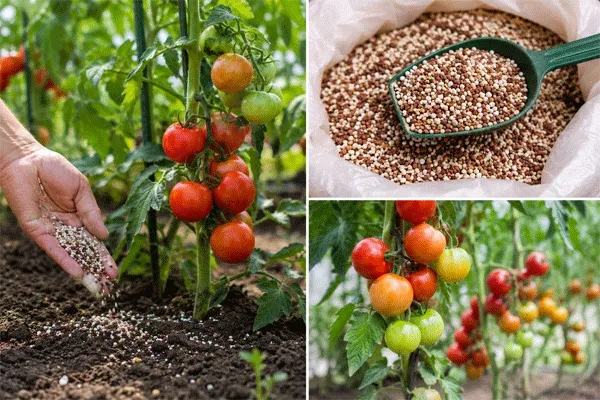
What Is the NPK of Tomato Food? Best NPK Ratio for Tomato Fertilizer and Tomato Plant Nutrition
The most common fertilizer mistake is using too much nitrogen. The plant looks green, but fruit set suffers. Another common mistake is using fertilizer without a soil test. Guessing feels fast. Testing saves money.
Other common mistakes include:
A tomato plant needs balance. If the plant gets the wrong nutrient at the wrong time, yield and tomato quality may suffer.
The best NPK for tomatoes depends on soil and growth stage. Many growers use balanced fertilizer early, then shift to lower nitrogen and higher potassium during flowering and fruiting. Common examples include 5-10-10, 4-6-8, 6-3-9, or customized crop-stage formulas.
10-10-10 can be used for tomatoes if the soil needs balanced nutrients. However, it may not be the best npk fertilizer during fruiting because tomatoes often need more potassium and controlled nitrogen at that stage.
Potassium is very important for tomato fruit production and quality. Phosphorus supports flowering and root energy, while nitrogen supports early plant growth. The best result comes from balanced tomato nutrition, not one nutrient alone.
Tomatoes need nitrogen, especially early. But high nitrogen during flowering and fruiting can push foliage growth and reduce fruit set. A good fertilizer for tomato plants controls nitrogen while supporting phosphorus and potassium.
Liquid fertilizer can be useful for fast feeding and container plants. Water-soluble fertilizer is often better for commercial fertigation systems because it allows controlled feeding through irrigation. Granular fertilizer is still practical for open-field production.
Yes. Organic NPK fertilizer can support healthy tomato growth when the formula provides enough available nutrients. Organic fertilizer is also useful for soil improvement, but commercial growers should still monitor nutrient release and crop demand.