Avoid your inquiry is delay response, please enter your WhatsApp/Skype along with the message, so we can contact you at the very first time.
We will reply you within 24 hours. If for urgent case, please add WhatsApp/WeChat: ,. Or call directly.
High ammonia can quietly damage an aquarium or pond before you notice it. Delicate aquatic plants may melt, algae can bloom, and fish may suffer. The smart fix is to understand ammonia toxicity, manage the nitrogen cycle, and choose the right nutrient plan.
Plants most sensitive to ammonia are usually delicate aquatic plants, newly planted tissue-culture plants, fine-leaf stem plants, mosses under stress, and species grown in unstable new tanks. Ammonia is also dangerous to fish, especially when pH and water temperature increase the toxic un-ionized ammonia form.
What Plants Are Sensitive to Ammonia? Aquarium, Aquatic Plant, Nitrogen, and Ammonia Toxicity Guide
The plants most sensitive to ammonia are usually soft, delicate, slow-adapting, or newly introduced plants. In an aquarium, this may include tissue-culture plants, fine-leaf stem plants, mosses, some carpeting plants, and sensitive rosette plants that are still adjusting to a new substrate, light level, or water chemistry.
In outdoor water bodies, submerged aquatic vegetation can also suffer under high ammonia nitrogen. Research on submerged macrophytes shows that high ammonium loading can negatively affect plant population development, especially when exposure continues over time.
That said, ammonia is not always “bad” for plants at every level. Many aquatic plants can use ammonium as a nitrogen nutrient. The problem starts when the amount of ammonia becomes too high, when the tank is unstable, or when toxic un-ionized ammonia increases with pH and temperature.
Ammonia enters an aquatic ecosystem through fish waste, uneaten food, dead leaves, decomposing algae, and the decomposition of organic matter. In farm ponds and water bodies, ammonia can also come from runoff, animal waste, and poorly managed fertilizer inputs.
The effects of ammonia depend on concentration, pH, water temperature, oxygen level, and the health of the plant. A strong plant may use low ammonia as a nutrient. A stressed plant may show weak roots, leaf melt, slow growth, yellowing, or tissue damage. General plant research links ammonium toxicity with reduced growth, leaf chlorosis, and poor root development.
For fish and shrimp, ammonia is even more urgent. The University of Florida explains that un-ionized ammonia, NH3, is about 100 times more toxic to fish than ionized ammonium, NH4+. This is why pH and temperature matter so much in an aquarium.
In water, ammonia exists mainly in two related forms: ammonia NH3 and ammonium NH4+. Aquarium hobbyists often measure them together as total ammonia nitrogen or ammonia nitrogen. The balance changes with pH and water temperature.
At lower pH, more nitrogen stays as ammonium. At higher pH, more becomes un-ionized ammonia. That matters because NH3 is the more toxic form for aquatic animals. For plants, high ammonium can also create stress when the concentration of ammonia-related nitrogen becomes too high or lasts too long.
Here is the simple version:
| Form | Symbol | General Meaning | Risk |
|---|---|---|---|
| Ammonia | NH3 | Un-ionized form | More toxic |
| Ammonium | NH4+ | Ionized form | Less toxic, but can still stress plants at high levels |
| Nitrite | NO2- | Intermediate nitrogen form | Toxic to fish |
| Nitrate | NO3- | Later nitrogen form | Less toxic, plant nutrient at controlled levels |
This is why a good test kit, stable pH, and reliable filtration are not optional. Tiny numbers can create big drama. Aquariums are miniature worlds with no patience for sloppy chemistry.
The nitrogen cycle is the process that changes ammonia into nitrite and then nitrate. In a healthy aquarium, beneficial bacteria help convert ammonia into nitrite and nitrate. Plants can also take up nitrogen directly from the water column or substrate. Aquarium cycling guides commonly describe this conversion as the core process behind tank stability.
In a new tank, the cycle is not mature yet. This means ammonia and nitrite can rise before enough beneficial bacteria are present. A fishless cycle is often safer because it allows bacteria to develop without exposing fish to high levels of ammonia or nitrite.
In a planted tank, plants can help reduce ammonia, but they are not a magic filter. Fast-growing plants, floating plants, and healthy stem plants can absorb nitrogen quickly. Weak or melting plants can do the opposite: they decay and add more ammonia back into the system. Rude, but true.
Many aquarium plants can tolerate low ammonia or ammonium, but some are particularly sensitive during transport, planting, or tank cycling. These plants often suffer more when ammonia levels rise suddenly.
Sensitive groups may include:
| Plant Group | Why They May Struggle |
|---|---|
| Tissue-culture plants | Need time to adapt from lab growth to aquarium water |
| Fine-leaf stem plants | Delicate leaves can melt under unstable water quality |
| Mosses | Trap debris and suffer when flow or cleaning is poor |
| Carpeting plants | New roots are easily stressed in unstable substrate |
| Slow-growing rosette plants | Recover slowly after damage |
| New imports | Shipping stress lowers tolerance to ammonia |
Examples often treated as more delicate in hobby aquariums include some Rotala varieties, mosses, carpeting plants, and newly planted Cryptocoryne. The exact tolerance to ammonia depends on plant species, tank maturity, light, CO2, substrate, and nutrient balance.
For commercial growers, this is the key lesson: plants can handle some ammonium, but unstable nitrogen in water can reduce product quality. For fertilizer brand owners, this is also why balanced nitrogen formulas matter.
Some aquatic plant species can handle ammonia better because they grow fast and absorb nitrogen quickly. Floating plants are often strong ammonia users because they sit near light, CO2, and the water surface. Fast stem plants can also help stabilize a planted aquarium.
Plants that often help reduce ammonia include:
Aquatic plant uptake studies have reported that many aquatic plants prefer ammonium over nitrate as a nitrogen source, although this does not mean high ammonia is always safe.
In other words, plants can handle ammonia better when the level is low, growth is active, and the system is balanced. But even tolerant plants can suffer under high ammonia, poor oxygen, dirty water, or extreme pH.
In an established aquarium, detectable ammonia should be taken seriously. Many aquarists aim for 0 ppm ammonia and 0 ppm nitrite, with nitrate kept under control through plants, filtration, and water change routines.
During cycling a new tank, ammonia may rise because beneficial bacteria are not yet established. In a fishless cycle, controlled ammonia is used to build bacteria. In a tank with fish, high ammonia is dangerous and should be corrected quickly.
A simple monitoring table:
| Reading | Meaning | Action |
|---|---|---|
| 0 ppm ammonia | Best target for stocked tanks | Maintain routine care |
| 0.25 ppm | Early warning | Test again, reduce feeding, inspect filter |
| 0.5 ppm or higher | Risk level | Water change, check filtration, protect livestock |
| High ammonia with high pH | More dangerous | Act quickly |
| Ammonia and nitrite together | Cycle imbalance | Reduce load and improve biological filtration |
Do not add plants, fish, and fertilizer all at once in a new aquarium. Go slow. The tank needs time to breathe, settle, and build its invisible bacteria crew.
What Plants Are Sensitive to Ammonia? Aquarium, Aquatic Plant, Nitrogen, and Ammonia Toxicity Guide
Ammonia, nitrite, and nitrate are all part of nitrogen in water. Fish waste and organic debris create ammonia. Beneficial bacteria convert ammonia into nitrite and nitrate. Plants then use nitrate and ammonium as nutrient sources.
The basic path looks like this:
Fish waste / organic matter → ammonia → nitrite → nitrate → plant uptake or water removal
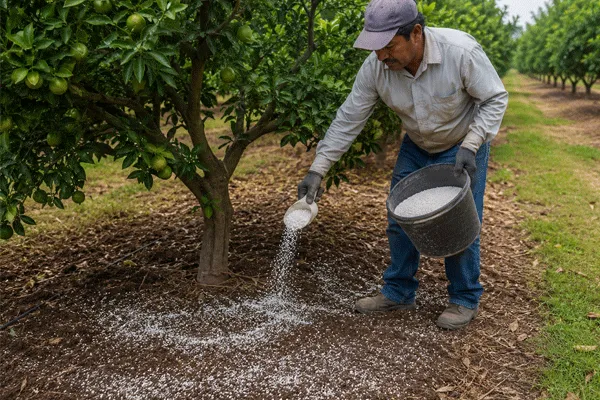
In agriculture, nitrogen also appears in different forms. Fertilizer Canada explains that plants need nitrogen, phosphorus, potassium, and sulfur for growth, and fertilizers help replenish nutrients removed from soil during harvest.
For B2B fertilizer buyers, the lesson is clear: nitrogen form matters. Whether in water or soil, nitrogen must be supplied at the right rate, at the right time, and in the right formula.
For crop-focused buyers, you may also explore our custom NPK fertilizer for balanced crop nutrition, water-soluble fertilizer for efficient nutrient delivery, and ammonium sulphate fertilizer for nitrogen and sulfur supply.
To reduce ammonia, first find the cause. Is there too much fish food? Too many fish? A dead leaf pile? Weak filtration? A dirty substrate? A newly installed filter? Fix the source before you chase numbers.
Practical steps include:
A water change can lower ammonia fast, but it does not solve the long-term reason for ammonia buildup. Good filtration, moderate feeding, plant growth, and proper stocking work together to maintain water quality.
In commercial plant and fertilizer projects, this same idea applies at a larger scale. Good nutrition is not “more fertilizer.” Good nutrition is the right nutrient form, dose, timing, and application method.
Plant toxicity symptoms can vary, but common signs include poor root development, leaf yellowing, weak new growth, melting leaves, brown spots, and slower plant growth. In aquariums, high ammonia may also trigger alga problems because unstable nitrogen can support opportunistic growth.
Watch for these warning signs:
| Symptom | Possible Meaning |
|---|---|
| Leaf melt | Plant stress, transition shock, ammonia spike |
| Yellow leaves | Nutrient imbalance or ammonium stress |
| Black or brown spots | Tissue damage or poor water quality |
| Poor roots | Substrate stress or ammonium toxicity |
| Alga bloom | Excess nutrient and unstable cycle |
| Fish gasping | Ammonia or oxygen stress |
Do not assume every problem is due to ammonia. Light, CO2, substrate, nitrate, potassium, iron, and plant adaptation can also affect growth. But if ammonia appears in the water sample, check the tank quickly.
For agricultural distributors, importers, commercial farm owners, cooperatives, NGO agricultural projects, and OEM fertilizer brands, ammonia toxicity teaches one very useful lesson: nitrogen must be managed, not guessed.
Ammonium-based fertilizers can be valuable. Nitrate-based fertilizers can be valuable. Urea, ammonium sulphate, ammonium chloride, and compound NPK products all have their place. But crop sensitivity, soil pH, irrigation, weather, and application rate decide success.
As a leading fertilizer manufacturer and exporter based in China, we support global buyers with customized formulas for different crops and regions. This includes OEM fertilizer production for private label brands, bulk granular fertilizer for agricultural distributors, and crop-specific fertilizer solutions for farms and cooperatives.
For fertilizer projects, we usually suggest checking:
A good fertilizer plan should improve yield, reduce waste, and lower crop risk. That is the whole game.
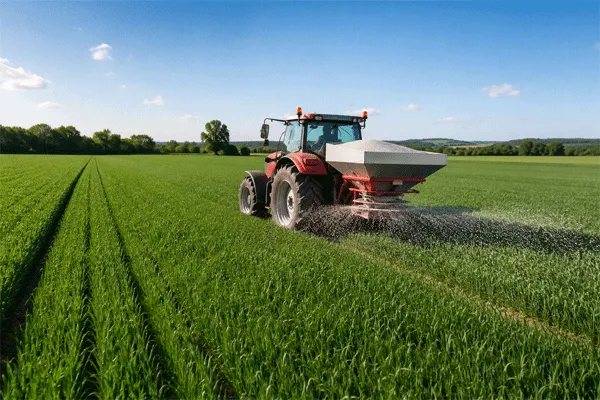
In farming, ammonia-related damage can happen when too much ammonium-form nitrogen is applied, when fertilizer is placed too close to seeds or roots, or when soil and water conditions increase stress. Sensitive crops may show chlorosis, poor roots, and reduced growth under excess ammonium.
To prevent ammonia issues, agricultural buyers should avoid blind application. Soil testing, correct formulation, split application, irrigation management, and local agronomic guidance all help.
A simple fertilizer planning table:
| Buyer Type | Main Concern | Recommended Focus |
|---|---|---|
| Importer | Product consistency | Stable specification and quality control |
| Distributor | Market fit | Crop-specific formulas and packaging |
| Farm cooperative | Yield and safety | Balanced nitrogen and application guidance |
| NGO project | Risk control | Simple, reliable formulas |
| OEM brand owner | Brand value | Custom formula, label, and packaging |
Fertilizer is not just a bag of nutrient. It is a supply-chain promise. Quality, packaging, delivery, and after-sales support matter almost as much as the formula itself.
What Plants Are Sensitive to Ammonia? Aquarium, Aquatic Plant, Nitrogen, and Ammonia Toxicity Guide
A distributor planned to supply nitrogen fertilizer for leafy vegetable farms. The farms wanted fast growth, but the region had warm weather and heavy irrigation. Using too much ammonium-form nitrogen at once could raise stress risk for young crops.
Instead of selling one standard formula to every grower, the better plan was a balanced nutrient program. The distributor used a customized NPK product, included nitrate and ammonium considerations, and adjusted application guidance for local soil and crop stage.
The result was more stable plant growth, fewer complaints, and better repeat orders. Not glamorous. Very effective.
For B2B buyers, that is the value of working with a manufacturer that can customize fertilizer products, support OEM branding, and deliver stable export packaging.
Delicate aquarium plants, tissue-culture plants, fine-leaf stem plants, mosses, carpeting plants, and newly imported aquatic plants are often more sensitive to ammonia, especially in a new tank with unstable water quality.
Ammonia can be toxic to plants at high concentrations or under stressful conditions. Many plants can use ammonium as a nutrient, but elevated ammonia or prolonged ammonium stress may reduce growth, damage roots, and cause leaf symptoms.
Many aquatic plants can use ammonium quickly, and some studies report a preference for ammonium over nitrate. However, high ammonia can still be dangerous in a planted aquarium, especially for fish and sensitive plants.
For stocked aquariums, the safest practical target is 0 ppm detectable ammonia. Plants may use low ammonia, but fish, shrimp, and unstable tanks are at risk when ammonia appears in test results.
Yes. Floating plants often grow fast and can absorb nitrogen from the water column. They may help lower ammonia, nitrite, and nitrate pressure, but they cannot replace proper filtration and maintenance.
Ammonia rises in a new tank because fish waste, uneaten food, and decaying matter produce ammonia before enough beneficial bacteria have developed to convert it into nitrite and nitrate.