Avoid your inquiry is delay response, please enter your WhatsApp/Skype along with the message, so we can contact you at the very first time.
We will reply you within 24 hours. If for urgent case, please add WhatsApp/WeChat: ,. Or call directly.
Using the same fertilizer on every crop may seem simple, but it can waste money, reduce yields, and even damage plants. Different crops and growth stages need different nutrient levels. The solution is to understand the NPK ratio and match the fertilizer to the plant, soil, and production goal.
NPK fertilizer can be used for almost all plants, but one NPK ratio is not suitable for every plant. Leafy crops often need more nitrogen, while flowering and fruit-bearing plants may require more phosphorus and potassium. The right choice depends on the crop type, soil test, growth stage, climate, application method, and expected yield.

W Can We Use NPK Fertilizer for All Plants? How to Choose the Right NPK Ratio
Understanding NPK starts with the three numbers printed on the fertilizer label. They show the percentage by weight of nitrogen, phosphate, and potash in the product, always in that order:
For example, a fertilizer bag marked 15-15-15 contains 15% nitrogen, 15% available phosphate, and 15% soluble potash. A 50 kg bag therefore contains 7.5 kg of each guaranteed nutrient form. The remaining material may include carriers, conditioners, fillers, secondary nutrients, or micronutrients.
Although people commonly describe the label as nitrogen-phosphorus-potassium, the guaranteed analysis is technically stated as N-P₂O₅-K₂O.
| Fertilizer grade | Nitrogen | Phosphate | Potash | Common use |
|---|---|---|---|---|
| 15-15-15 | 15% | 15% | 15% | General crop nutrition |
| 20-10-10 | 20% | 10% | 10% | Strong vegetative growth |
| 10-20-20 | 10% | 20% | 20% | Root, flower, and fruit support |
| 12-6-24 | 12% | 6% | 24% | Potassium-demanding crops |
| 30-0-5 | 30% | 0% | 5% | Lawns or nitrogen-demanding plants |
The set of three numbers does not tell you everything about a fertilizer. Buyers should also review nutrient sources, solubility, granule size, chloride level, micronutrients, release speed, and recommended application method.
No. Different plants have different nutrient requirements, and even one plant has different fertilizer needs during its life cycle. A young tomato transplant does not need the same N-P-K ratio as a mature tomato plant carrying fruit. Rice, wheat, maize, citrus, turf, roses, and leafy vegetables also respond differently.
A balanced NPK fertilizer such as 15-15-15 can provide useful general nutrition, especially when soil information is limited. However, balanced does not automatically mean best fertilizer. A field may already contain enough phosphorus but lack nitrogen. Applying equal amounts of all three elements in that situation raises costs and may create excess phosphorus.
The correct ratio is based on several factors:
For commercial agriculture, using NPK fertilizer should be part of a full nutrient management plan rather than a fixed habit. Our range of crop-specific NPK fertilizer products can be adjusted for different climates, crops, markets, and packaging requirements.
Nitrogen, phosphorus, and potassium are primary macronutrient elements. Plants require them in relatively large quantities, but each nutrient supports different parts of the plant.
Nitrogen plays an important role in chlorophyll, amino acids, proteins, and plant enzymes. It helps plants develop green leaves and stems. Crops grown mainly for leafy growth, such as spinach, lettuce, cabbage, forage grass, and lawn turf, commonly have a strong nitrogen demand.
A plant with nitrogen deficiency may develop pale green or yellow older leaves, weak growth, and reduced yield. However, too much nitrogen can create soft, rapid vegetative growth. In fruit-bearing plants, excessive nitrogen may produce many leaves but fewer flowers and fruit.
Phosphorus helps with energy movement inside the plant. It is also associated with early root growth, crop establishment, maturity, seed development, and reproductive growth. The nutrient can be especially important during planting and early development when a strong root system is being formed.
However, more phosphorus does not always produce more flowers. Soil pH, temperature, root health, and nitrogen supply can affect phosphorus uptake. Adding large amounts without a soil test may not solve the actual problem.
Potassium helps plants manage water, regulate stomata, move carbohydrates, and tolerate stress. It also contributes to crop quality, disease resistance, drought tolerance, and general durability. The University of Minnesota notes that potassium supports plant hardiness and can improve drought resistance when soil supply is inadequate.
A balanced nutrient program treats these three elements as a team. Nitrogen and phosphorus cannot deliver their full value when potassium is seriously deficient, and high potassium cannot correct a shortage of nitrogen.
Plant nutrition should change as the crop develops. The best program often uses different NPK ratios during establishment, vegetative growth, flowering, and fruiting.
Young plants need steady but moderate nutrition. Phosphorus may support early root growth, while excessive soluble fertilizer can burn tender roots. A mild starter fertilizer or carefully diluted water-soluble formula is usually safer than a heavy application.
During leaf and stem growth, plants often need more nitrogen. Formulas such as 20-10-10 or 24-8-16 may suit some crops, provided soil and crop recommendations support the rate. Nitrogen helps plants build the canopy needed for photosynthesis.
During flowering and fruiting, growers often reduce excessive nitrogen and provide suitable phosphorus and potassium. Formulations such as 10-20-20, 12-12-24, or other crop-specific ratios may support flower and fruit development.
The following chart shows relative nutrient emphasis only. It is not a universal application prescription.
| Stage of growth | Nitrogen emphasis | Phosphorus emphasis | Potassium emphasis |
|---|---|---|---|
| Root establishment | Medium | High | Medium |
| Vegetative growth | High | Medium | Medium |
| Flower formation | Medium | Medium–High | High |
| Fruit filling | Medium | Medium | High |
| Post-harvest recovery | Crop-dependent | Crop-dependent | Medium–High |
The exact right NPK formula depends on crop uptake and soil conditions. Large farms should follow local agronomic recommendations and plant tissue analysis when available.
There is no single answer for every field, greenhouse, orchard, or garden. Still, common crop patterns can help buyers make an initial selection.
| Types of plants | Typical nutrient priority | Example ratio direction |
|---|---|---|
| Lettuce and leafy vegetables | Higher nitrogen | 2-1-1 |
| Lawns and turf | Higher nitrogen, moderate potassium | 3-1-1 or 4-1-2 |
| Root crops | Moderate nitrogen and sufficient potassium | 1-1-2 |
| Flowering plants | Controlled nitrogen, adequate P and K | 1-2-2 |
| Tomatoes and peppers | Balanced early, higher K later | 1-1-1 to 1-1-2 |
| Fruit trees | Crop- and season-specific | Often higher K during fruit development |
| Cereals | Strong nitrogen demand with balanced P and K | Based on soil and yield target |
| Legumes | Lower supplemental nitrogen in many systems | P and K based on soil test |
These are general ratio patterns, not guaranteed recommendations. For example, a lawn planted in phosphorus-rich soil may need a lawn fertilizer with little or no phosphorus. A fruit orchard with high soil potassium will not benefit from applying potassium simply because fruit-bearing plants often need it.
Commercial buyers also need to consider local preferences. Some markets favor balanced compound fertilizer formulations, while others require crop-specific grades, low-chloride potassium sources, or added sulfur, magnesium, boron, zinc, and other plant nutrients.
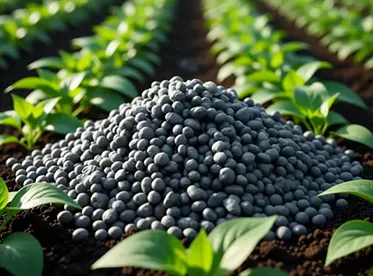
Balanced grades such as 10-10-10, 15-15-15, and 17-17-17 are flexible fertilizer products. They can support many plants when the soil lacks all three primary nutrients. They are easy to distribute, store, explain, and include in general agricultural programs.
Still, a balanced ratio is not automatically suitable for every crop. Suppose a soil test shows high phosphorus and low nitrogen. Applying 15-15-15 adds unnecessary phosphate while trying to supply enough nitrogen. A high-nitrogen, low-phosphorus type of fertilizer may be more efficient.
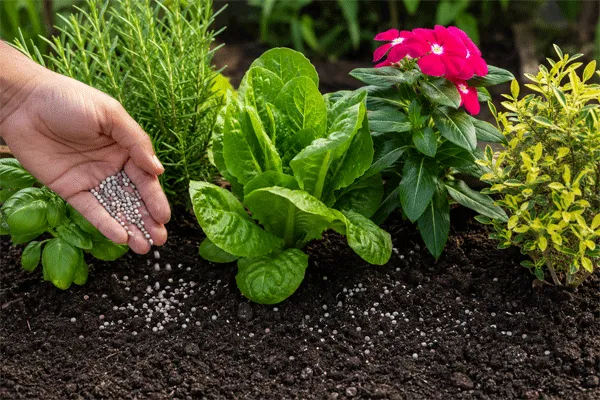
The same concern applies to flowering plants. Many growers assume that a large second number always creates more flower growth. In reality, the plant may already have sufficient phosphorus. Poor flowering may come from excess nitrogen, inadequate sunlight, unsuitable temperature, drought, root disease, or incorrect pruning.
Use a balanced formula when:
Use different NPK ratios when:
Can We Use NPK Fertilizer for All Plants? How to Choose the Right NPK Ratio
A soil test tells you what the soil already provides. Without this information, applying fertilizer becomes guesswork. You may add nutrients that are not needed while missing the nutrient that is actually limiting production.
A standard analysis may report pH, organic matter, phosphorus, potassium, calcium, magnesium, sulfur, salinity, and selected micronutrients. Nitrogen recommendations often depend on crop demand, expected yield, previous crops, organic matter, and local conditions because available nitrogen changes quickly.
Clemson University’s NPK recommendation tools calculate fertilizer needs using factors such as soil fertility, crop type, soil type, and yield goals. The university emphasizes that soil-based recommendations support both economic and environmentally sound nutrient management.
A practical selection process includes five steps:
For example, if a recommendation requires 30 kg of nitrogen per hectare and the selected fertilizer contains 20% nitrogen, the theoretical product requirement is:
30 kg N ÷ 0.20 = 150 kg fertilizer per hectare
The final rate may still need adjustment for application efficiency, split feeding, irrigation, weather, and local regulations.
Using too little fertilizer can cause nutrient deficiencies, weak development, low yield, poor color, or reduced crop quality. Using too much fertilizer can be equally harmful.
Common problems include:
| Problem | Possible nutrient issue |
|---|---|
| Older leaves turn pale or yellow | Nitrogen deficiency |
| Weak early development | Possible nitrogen or phosphorus shortage |
| Delayed maturity | Possible phosphorus limitation |
| Weak stems or poor stress tolerance | Possible potassium shortage |
| Excessive leaves but few flowers | Too much nitrogen |
| Brown leaf edges | Salt stress or possible potassium imbalance |
| Poor root systems | Compaction, water stress, pH, disease, or nutrient imbalance |
Symptoms alone do not provide a reliable diagnosis. Water stress, insects, disease, salinity, damaged roots, and unsuitable pH can look like nutrient deficiencies. Soil and plant tissue testing offer better evidence.
Overapplication also affects soil health and water quality. The US Environmental Protection Agency states that excess fertilizer and soil erosion can contribute nitrogen and phosphorus pollution to surface water and groundwater.
More fertilizer is not always better. The goal is to feed the plant at the correct rate, in the correct place, and at the correct time.
This is not always an either-or choice. Mineral NPK and organic fertilizers can serve different roles, and many successful farms use both.
Mineral fertilizer offers a known nutrient analysis. It can supply nitrogen, phosphorus, and potassium in concentrated and predictable amounts. Products may also be designed for quick release, controlled release, foliar feeding, basal application, top dressing, or fertigation.
Organic fertilizers, including composted materials, manure-based products, bone meal, and plant-based inputs, generally release nutrients more slowly. They may also add organic matter and support soil structure. However, nutrient concentration can be lower or more variable, so larger application volumes may be needed.
| Factor | Mineral NPK fertilizer | Organic fertilizer |
|---|---|---|
| Nutrient concentration | Usually higher | Often lower |
| Guaranteed ratio | Precise and clear | May vary by material |
| Release speed | Fast or controlled | Usually slower |
| Application volume | Lower | Often higher |
| Organic matter contribution | Usually low | Often higher |
| Suitability for precision feeding | High | Product-dependent |
Bone meal, for example, can supply phosphorus and calcium, but it should not be applied automatically. If the soil already contains high phosphorus, adding more may offer little benefit.
An integrated program may combine soil-building materials with accurately calculated NPK. Buyers interested in this approach can compare our organic fertilizer and soil improvement solutions with mineral formulas.
Can We Use NPK Fertilizer for All Plants? How to Choose the Right NPK Ratio
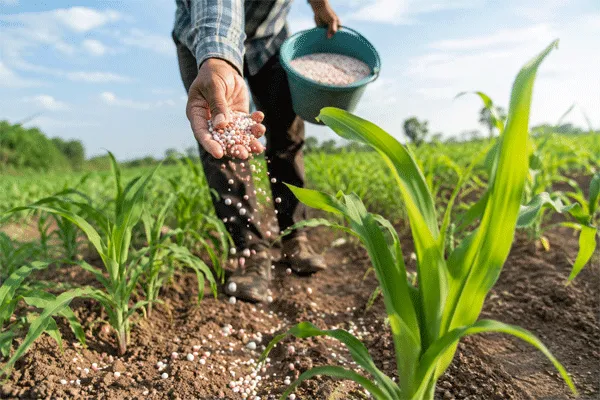
Applying fertilizer correctly protects the crop, reduces waste, and improves nutrient-use efficiency. Always follow the label, local agronomic guidance, and legal requirements.
Common application methods include:
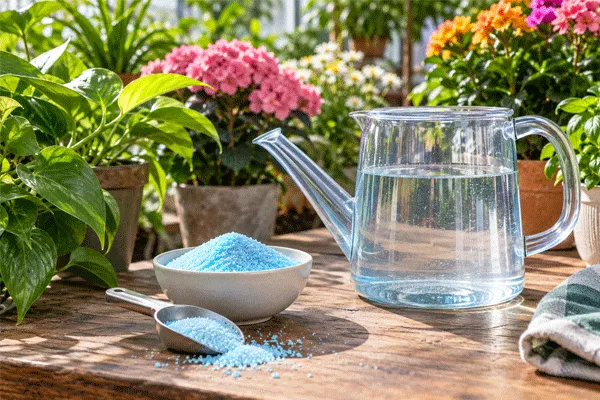
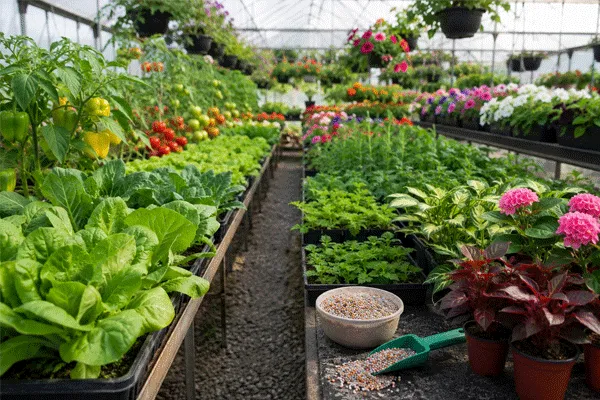
Water-soluble fertilizer is useful for greenhouses, drip irrigation, hydroponic systems, nurseries, and high-value crops. It allows growers to adjust the nutrient concentration during different development stages. Our water-soluble NPK fertilizer range can support customized fertigation programs for international agricultural projects.
Good application practices include:
Plants use nutrients most effectively when roots have suitable access to water and nutrients. Poor drainage, dry soil, salinity, or root disease can reduce uptake even when enough fertilizer is present.
Agricultural distributors, importers, commercial farms, government projects, and fertilizer brand owners need more than a popular NPK ratio. They need consistent quality from shipment to shipment.
A reliable manufacturer should explain:
As a China-based manufacturer and exporter of high-quality fertilizer products, we work with international buyers to develop practical formulas for local crop systems and market demand. Our role is not simply to offer one standard bag of fertilizer. We help customers compare ratios, select nutrient sources, plan packaging, and organize stable bulk supply.
Fertilizer brand owners can also use our OEM and private-label fertilizer services for customized formulations, bag artwork, brand packaging, language labels, and market-specific specifications.
A regional distributor originally planned to import one balanced grade for vegetables, orchards, and field crops. After reviewing the customer segments, the product line was divided into three practical groups:
This approach gave dealers clearer product positioning. It also helped farmers choose a formula based on plant type and growth stage instead of buying only by price.
For government and NGO agricultural projects, we can support large-volume programs with customized bag sizes, clear instructions, batch documentation, multilingual packaging, and coordinated container loading.
You do not need to memorize every nutrient formula. Begin with the crop, soil, and production target.
Use this simple decision path:
The right NPK is not always the formula with the highest numbers. It is the formula that meets plant needs without creating waste or imbalance.
Yes, but indoor plants usually need smaller amounts. Use a suitable houseplant fertilizer and follow the dilution instructions. Too much fertilizer can cause salt buildup, leaf-tip burn, and root damage.
No. Higher numbers mean a more concentrated product, not a better product. A concentrated fertilizer may require a lower application rate. The correct rate matters more than the size of the numbers.
There is no universal ratio. Flowering plants often benefit from controlled nitrogen and adequate phosphorus and potassium, but the soil may already contain enough of these nutrients. Choose the ratio based on plant type, soil results, and growth stage.
Excess nitrogen can encourage strong leafy growth at the expense of flower and fruit formation in some plants. Other factors, including light, temperature, water, pruning, and plant age, also affect flowering.
It depends on the crop and fertilizer. Some phosphorus and potassium can be incorporated before planting, while nitrogen is often split across the season. Starter formulas may be placed near young plants, but direct contact with seed can cause injury unless the product and rate are suitable.
They can be useful when the soil and crop require similar amounts of nitrogen, phosphorus, and potassium. However, large farms usually achieve better cost control with soil-based, crop-specific recommendations.
Choosing an NPK fertilizer should not be a guessing game. With the correct crop information, soil data, application method, and supply partner, you can build a clearer and more efficient plant nutrition program.
As a leading fertilizer manufacturer and exporter based in China, we provide balanced, high-nitrogen, high-phosphorus, high-potassium, water-soluble, granular, customized, and private-label fertilizer solutions for global buyers. Contact our fertilizer supply team to discuss your target crops, preferred NPK ratio, packaging, order volume, and destination market.