Avoid your inquiry is delay response, please enter your WhatsApp/Skype along with the message, so we can contact you at the very first time.
We will reply you within 24 hours. If for urgent case, please add WhatsApp/WeChat: ,. Or call directly.
Plants can look healthy one week and weak the next when the wrong fertilizer timing throws off soil nutrient balance. Too little feeding slows growth. Too much feeding can burn roots. The practical fix is simple: match your npk fertilizer schedule to plant type, growth stage, and soil condition.
In most cases, you should apply npk fertilizer every 2–6 weeks during the active growing season, but the exact timing depends on the plant, the type of fertilizer, and your soil test results. Fast-growing potted plants may need more frequent feeding, while garden beds, slow-release products, and fertile soils need less. Nitrogen, phosphorus, and potassium should be applied to match real nutrient levels, not guesswork. Most houseplants benefit from fertilizing once every 1–3 months depending on the product used, while some potted or fast-growing plants can be fed more often at lower strength.
What is NPK fertilizer, and why does it matter?
How often should you apply NPK fertilizer to plants?
Why do different plants have varying nutrient requirements?
How do nitrogen, phosphorus, and potassium affect plant growth?
Should you fertilize container plants differently from garden plants?
What does a soil test tell you before applying fertilizer?
How do growth stage and growing season change fertilizer timing?
What happens if you use too much fertilizer?
What NPK ratios work best for flowers, fruit, and leafy plants?
How can you maintain optimal soil nutrient levels over time?
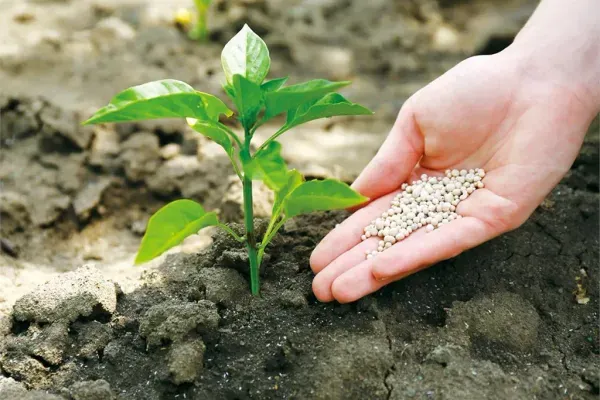
NPK fertilizer is a complete fertilizer that supplies the three major essential nutrients plants need most: nitrogen, phosphorus, and potassium. These are the three numbers you see on a fertilizer bag. They show the ratio of nitrogen, phosphorus, and potassium in the formulation. Extension guidance consistently identifies nitrogen, phosphorus, and potassium as the main nutrients most likely to need supplementation for good crop and garden performance.
Each nutrient supports a different part of plant growth. Nitrogen helps leafy growth and strong foliage. Phosphorus supports root development, early establishment, and better flowering and fruiting. Potassium helps with water balance, stress tolerance, and disease resistance. Potassium also helps plants handle drought stress and supports winter hardiness in many systems.
From my experience working with buyers who manage broad-acre farming, commercial horticulture, and private-label fertilizer lines, the real value of a good npk fertilizer is consistency. A balanced product helps growers avoid obvious nutrient deficiencies, maintain steady plant health, and improve yield without overfeeding.
The honest answer is: it depends. Most plants require NPK feeding based on growth speed, root volume, soil conditions, and whether you are using a liquid, granular, or slow-release product. A common practical schedule is every 4-6 weeks during active growth for many outdoor plants, while some container and indoor crops need lighter but more frequent feeding.
Here is a simple guide:
| Plant situation | Common timing | Notes |
|---|---|---|
| Garden beds | Every 4–6 weeks | Good for many annual crops in the growing season |
| Houseplants | Every 1–3 months | Depends on product strength and light level |
| Fast-growing potted plants | Every 2 weeks at half strength | Useful for heavy feeders |
| Slow-release products | Every 2–3 months or label-based | Less frequent applications |
| Newly transplanted seedlings | Light feed only after establishment | Avoid root stress |
For many growers, the best rule is this: apply npk when the plant is actively growing and can use the nutrients. Do not use fertilizer on a rigid calendar without checking plant condition, season, and soil moisture first.
Because different plants grow in different ways. A leafy vegetable, a flowering ornamental, and a fruiting crop do not pull nutrients from the soil at the same speed. In simple terms, different plants have varying nutrient demands because they produce different tissues and move through different growth stages.
For example, leafy greens often require more nitrogen to push fresh top growth. Flowering plants and crops grown for fruit often benefit from higher phosphorus or stronger potassium support once they move out of early vegetative growth. That does not mean nitrogen becomes unimportant. It means balance matters more. Many fertilizer programs shift from heavy nitrogen toward products with higher phosphorus levels and stronger potassium support as plants enter reproduction.
This is why a smart buyer never treats all crops the same. A good NPK program respects plant type, root size, growing medium, and expected yield. That is also why many agricultural distributors and OEM fertilizer brand owners look for multiple product lines, not one formula for every market.
Nitrogen is the growth driver. It helps build green tissue, chlorophyll, and vigorous top growth. If nitrogen is too low, the plant may look pale, weak, or slow. If nitrogen is too high, you can get too much leafy growth and not enough bloom or fruit.
Phosphorus is especially important in early growth, root growth, and supports root strength. It is also critical in flowering and fruiting. Because phosphorus moves slowly in soil, placement and timing matter. Extension guidance notes that phosphorus is relatively immobile in soil, so plants use it best when it is placed where roots can reach it.
Potassium helps regulate water movement, stress response, and cell strength. It also supports overall plant health and crop quality. In many systems, potassium helps maintain stronger stems, better tolerance to weather swings, and more reliable performance late in the season. Together, these three nutrients that plants need most form the backbone of practical plant nutrition.
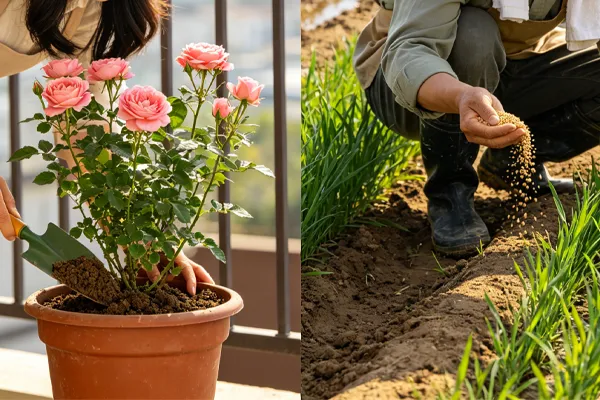
Yes. Container plants usually need more attention because the root zone is smaller and nutrients wash out faster. If you are fertilizing plants in pots, the limited media means nutrients do not stay available as long as they often do in field soil. Watering also leaches nutrients faster.
That is why potted plants may need frequent applications of diluted liquid fertilizer or a carefully chosen slow-release program. One extension source recommends feeding potted plants every two weeks at half strength in some cases, while many houseplants do well with less frequent feeding depending on light and growth rate.
For professional growers and distributors, container crops are where precise fertilizer application really matters. It is often better to feed lightly and regularly than to dump a large amount all at once. This protects roots and helps maintain steady nutrient uptake.
A soil test tells you what is already there before you add more. This matters because healthy-looking soil can still be low in one nutrient and high in another. A test helps you avoid blind feeding and gives you real data on soil nutrient supply, pH, and imbalances.
Good soil test results show whether the soil is deficient in phosphorus, potassium, or other nutrients. They also help growers avoid wasting money on products that are not needed. In practical terms, soil tests provide the most reliable starting point for choosing a rate, timing, and npk ratios program. Clemson Extension even offers an NPK recommendation tool based on extension fertility guidance.
I strongly recommend this for commercial farms and government agricultural projects. A soil test makes your fertilizer plan smarter, more cost-effective, and easier to scale across many acres or many customers.
Plants do not need the same feed rate all year. In the early stages of plant growth, more nitrogen often helps establish canopy and push active growth. Later, as plants move into bloom and fruit set, a more balanced nutrient program or one with stronger phosphorus and potassium support may be better.
Timing also changes with the growing season. During rapid spring and summer growth, plants often need more regular feeding. During cool or dormant periods, they usually need less. For many annuals and crops, feeding every weeks during the growing season makes sense only while plants are actively growing and taking up nutrients. Houseplants and overwintering crops often need much less.
This is especially important for young crops. Young plants need nutrition, but not too much fertilizer. Overfeeding early can damage roots and slow establishment instead of helping.
Too much fertilizer can do real damage. The biggest short-term risk is fertilizer burn, where salts pull water away from roots and tissues. Leaves may scorch, roots may weaken, and growth may stall.
Overfeeding can also lead to nutrient imbalance. One nutrient may block another. Excess nitrogen can push soft growth, reduce hardiness, and delay bloom. Too much phosphorus can build up over time and lower efficiency. In potted systems, excess fertilizer can concentrate quickly because the root zone is small.
A simple fix is to follow the label, water properly, and avoid thinking that more is always better. The best growers know that balanced feeding creates healthy plants; overfeeding creates expensive problems.
Warning signs of too much fertilizer
There is no one perfect ratio for all crops, but there are strong patterns. A balanced product such as an all-purpose NPK often works for general maintenance. When the goal is strong bloom and crop set, many growers move to products with higher phosphorus or lower nitrogen relative to phosphorus and potassium. Some garden guidance suggests a complete fertilizer with roughly twice as much phosphorus as nitrogen or potassium for many flowering garden uses.
For leafy crops, more nitrogen is often useful. For fruiting vegetables and ornamentals, potassium and phosphorus tend to matter more as the crop shifts stages. The best npk ratios always depend on crop, medium, and local conditions.
Here is a simple reference table:
| Crop goal | Typical direction | Why |
|---|---|---|
| Leaf growth | Higher nitrogen | Builds green canopy and foliage |
| Rooting and transplanting | Strong phosphorus support | Helps supports root development |
| Flowering plants | Balanced or higher phosphorus levels | Better bloom and set |
| Fruiting crops | Balanced NPK with strong K | Supports fruit quality and plant balance |
| General maintenance | Balanced nutrient product | Helps maintain optimal growth |
The best long-term plan is not random feeding. It is steady management. Start with a soil test, choose the right fertilizer contains ratio for the crop, and monitor response over time. This helps you keep nutrient levels steady instead of chasing visible problems later.
You also need to think about organic matter, irrigation, and crop removal. Plants take nutrients out of the field every season. Rain and watering can move nutrients, especially in sandy soils or containers. That means good fertility is not a one-time job. It is part of ongoing soil health management.
As a China-based manufacturer and exporter of high-quality fertilizer products, I see this every day in B2B conversations. Agricultural distributors, commercial farms, government programs, and OEM fertilizer brands all want the same thing: reliable products that help growers match feeding schedules to real crop demand. That is how you protect growth and health, improve overall plant health, and prepare for the next planting cycle.

Soil test
A Simple Case Guide for NPK Scheduling
Case 1: Leafy vegetables
Use a balanced or nitrogen-forward fertilizer early. Feed every 3–4 weeks if the soil is light and irrigation is frequent. Watch color and vigor.
Case 2: Flowering ornamentals
Start balanced, then switch toward a product with stronger bloom support. Feed every 4-6 weeks or lightly every 2 weeks in containers. Good phosphorus and potassium support helps produce abundant flowers and fruits in many flowering systems.
Case 3: Fruiting vegetables
Feed early for establishment, then shift toward products that support flowering and fruiting. Avoid excess nitrogen late, or the plant may push leaves instead of fruit.
How often should I give NPK to plants?
Most plants should receive npk fertilizer every 2–6 weeks during active growth, but timing depends on the crop, the product, and your soil test results.
Can I apply NPK fertilizer every week?
Sometimes, yes, but usually only at a weak dose. This is more common with diluted liquid feeding for potted plants. Weekly full-strength feeding can cause fertilizer burn.
Is slow-release better than liquid fertilizer?
It depends on the crop and management style. Slow-release products reduce labor and feed over time, while liquid fertilizer gives faster control and quicker correction.
Do flowering plants need a different fertilizer than leafy plants?
Often yes. Flowering plants usually benefit from a more balanced feed or one with higher phosphorus and potassium support, while leafy crops often require more nitrogen.
Should I fertilize in winter?
Usually less, and sometimes not at all. Plants grow more slowly in cool or low-light conditions, so nutrient demand drops.
Why is a soil test important before applying fertilizer?
Because soil tests provide real data about what nutrients are present and what is missing. That helps prevent waste and improve results.
NPK fertilizer timing depends on plant type, season, and soil condition.
Many outdoor plants do well with feeding every 4-6 weeks during active growth.
Potted plants may need lighter but more frequent applications.
Nitrogen, phosphorus, and potassium each support different parts of growth.
A soil test is the best way to guide fertilizer application.
Too much fertilizer can cause burn and nutrient imbalance.
Leafy plants often need more nitrogen.
Blooming and fruiting crops often respond better to stronger phosphorus and potassium balance.
Good feeding supports root development, plant health, and yield.
The smartest NPK program is based on real crop demand, not guesswork.