Avoid your inquiry is delay response, please enter your WhatsApp/Skype along with the message, so we can contact you at the very first time.
We will reply you within 24 hours. If for urgent case, please add WhatsApp/WeChat: ,. Or call directly.
Too much fertilizer can hurt plants faster than many growers expect. Instead of greener leaves and stronger growth, you may get brown tips, weak roots, and damaged turf. The good news is that once you know the warning signs, you can act early and reduce the damage.
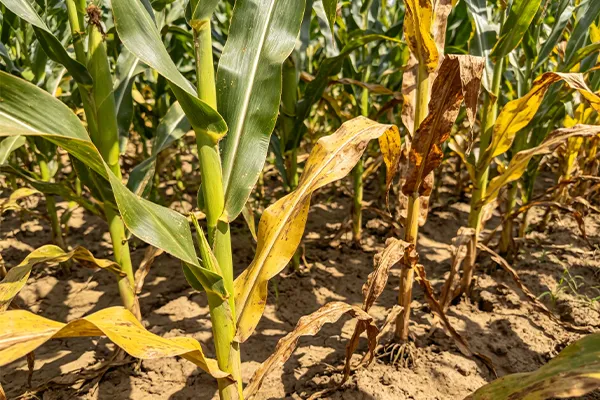
The most common signs of much fertilizer are yellow or brown leaves, burnt leaf edges, crusty salt on the soil surface, weak root performance, and patchy damage in the lawn or landscape. These symptoms often point to fertilizer burn, excess nitrogen, or a buildup of soluble salts around the root zone.
Why does too much fertilizer damage plants and lawns?
What are the first signs of over-fertilization?
How does fertilizer burn happen?
What does an over-fertilized lawn look like?
How do potted plants react to excess fertilizer?
Why does too much nitrogen cause plant problems?
How can a soil test help prevent over-fertilizing?
What should you do if you add too much fertilizer?
How can you avoid over-fertilizing your lawn and landscape?
What fertilizer choices help reduce risk?
Plants need nutrients, but more is not always better. Every fertilizer adds nutrients and mineral compounds into the soil. When the amount becomes too high, the balance around the roots changes. This makes it harder for roots to take up the water and nutrients they need.
A big part of the problem is salt. Many fertilizers contain salts that increase the salt concentration in the root zone. When that happens, the normal flow of water moves away from the plant instead of into it. That is why overfeeding can make plants look dry even when the soil is moist.
This is also why over-fertilizing can damage a lawn, nursery crop, or field planting so quickly. The goal of good fertilization is balance. The goal is not to force rapid growth at any cost. In our experience as a fertilizer manufacturer serving distributors, farms, OEM buyers, and project programs, the best results come from matching product, rate, and timing to real crop needs.
The earliest signs of over-fertilization are often easy to miss. In many cases, the first visible problem is leaf discoloration. Foliage may start turning yellow, then move to yellow or brown margins. The leaf tips often show damage first because salts and nutrient stress affect the most sensitive plant tissue quickly.
You may also see a white or pale crust on the soil surface. This can be a sign of soluble salts building up after repeated fertilization or after heavy use of liquid fertilizer or quick-release fertilizer. In container growing, this is one of the most common warning signs.
In turf, the first signal may be less obvious. The grass blades may look too dark at first, then thin out, dry back, or develop brown patches. These symptoms may appear uneven if the fertilizer was spread poorly or if the spreader delivered too much product in one pass.
Early warning signs growers should watch
Fertilizer burn happens when the nutrient concentration around the roots becomes too strong. Instead of helping the plant absorb nutrients, the fertilizer draws moisture away from the root zone. This can damage roots and reduce the plant’s ability to recover.
This process is especially common with quick-release products. Because they dissolve fast, they can create a sudden jump in the concentration of dissolved nutrients and salts. If growers apply too much, or apply without enough water, the result can be severe stress to the roots and leaves.
That is why the risk of fertilizer burn is often higher when weather is hot, when the plant is already stressed, or when the wrong rate is applied. Over-fertilizing can cause root injury first, even before the leaves show visible damage. Once the roots are hurt, the plant struggles to absorb nutrients and recover normally.
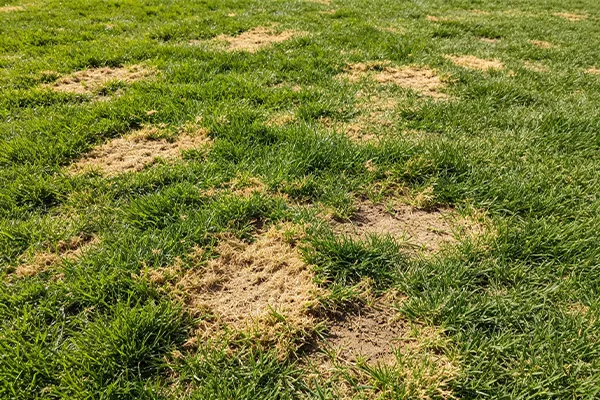
An over-fertilized lawn does not always look greener. Sometimes it looks too lush for a short time, but that is followed by stress. Too much nitrogen may push soft, fast growth that later becomes weak, thin, or discolored.
In many turf cases, the lawn first shows very dark green color, then develops dry-looking streaks, brown patches, or thinning areas. The grass blades may become brittle or scorched. If the fertilizer was unevenly spread, the pattern may follow the wheel track or overlap pattern of the spreader.
A damaged lawn may also become more vulnerable to stress and pest pressure. Weak turf allows weeds to establish more easily, especially if root health declines. If this happens, do not add more product. Instead, let the grass recover with correct irrigation and time.
Common lawn symptoms
| Symptom | What it often means |
|---|---|
| Dark green flush | Too much available nitrogen |
| Brown patches | Possible fertilizer burn |
| Thin turf | Root stress or salt injury |
| Uneven striping | Poor application pattern |
| Weak recovery | Overfeeding reduced root health |
Potted plants usually react faster than field or landscape plants because the root area is limited. In a pot, salts cannot move away easily, so nutrient buildup happens faster. That makes containers more sensitive to overfeeding than open garden beds.
One common sign is crusty residue on the top of the soil or around the base of the plant. Another is scorched leaf margins, weak roots, or slow recovery after watering. In severe cases, the roots near the bottom of the pot may suffer from salt buildup and reduced airflow.
When container media is overloaded, growers may need to flush with clean water or even repot. If salt buildup is severe, it may be smarter to repot with fresh media than to keep trying to correct the same root problem again and again.
Nitrogen is essential, but excess amounts can push growth that is too soft and too fast. When plants grow quickly from excess nitrogen, the tissue is often weaker and less balanced. The plant may look lush at first, but the structure is not always healthy.
This is why nitrogen causes more than just green growth. Too much can upset the balance with phosphorus and potassium, leading to nutrient imbalances. In turf, this may create beautiful color at the expense of root strength. In ornamentals and crops, it may create excessive leaf growth with weaker overall performance.
Another problem is that excessive nitrogen can attract stress. Soft tissues are often more vulnerable to weather, disease, and pest issues. So the right approach is not to push maximum nitrogen. It is to apply the right amount for the crop, timing, and stage of growth.
A soil test is one of the most practical tools in nutrient management. It shows what is already in the soil, what the crop may need, and what should not be added blindly. Without a soil test, growers often guess, and guessing is one of the fastest ways to apply too much fertilizer.
Good testing helps growers understand nutrient levels, organic matter, and even soil pH. That matters because nutrient availability changes with pH and root conditions. A product that works well in one field or turf program may be too much for another.
For large-area production, public projects, or commercial landscapes, a soil test is especially valuable. It supports better buying, more accurate rates, and lower waste. For fertilizer distributors and importers, this also strengthens product recommendations and improves customer trust.
The first step is simple: stop adding more. Do not try to fix the problem by feeding again. If the fertilizer is still fresh on the surface, add enough water to help move excess nutrients downward and dilute the concentration around the roots. This is often the fastest way to reduce stress.
If the crop is in a container, flushing is usually the best first response. Heavy irrigation helps leach some of the salts out of the root zone. In container systems, you may need repeated flushing if the buildup is strong. If the medium stays damaged, it may be better to repot.
In turf, a deep irrigation cycle can help the lawn recover if the damage is not too severe. In high-value crops or large public sites, a grower may also consult a lawn care professional or agronomist. Recovery depends on how much product was applied, how fast the fertilizer is released, and how badly the roots were affected.
Fast response checklist
The best way to avoid over-fertilizing is to follow the product label and use the right tool. Always read the fertilizer bag before application. Match the product to the crop, grass type, and stage of growth. One formula is not right for every use.
Application quality also matters. A calibrated spreader helps reduce overlap and uneven feeding. Many cases of over-fertilizing your lawn happen because one area gets treated twice or because the operator moves too slowly in certain sections.
Timing is another key factor. Do not fertilize your lawn too often, and do not push feeding outside the main growing season. In landscapes, choose products that fit long-term plant health, not just fast visual results. This is one reason many buyers now prefer more balanced or slow-release programs.
Not all fertilizers create the same risk. Slow-release fertilizer products are often safer because they release nutrients over time instead of all at once. This helps reduce salt shock and lowers the chance of fertilizer burn in many crops and turf systems.
A slow-release formula can be especially useful for turf, ornamentals, and large-scale maintenance programs where application intervals are longer. By contrast, quick-release products act fast, but they also raise the chance of short-term overload if the rate is too high or irrigation is poor.
Some buyers also compare organic fertilizer and conventional products. Organic options can support gradual feeding and better soil biology in some systems, though results depend on formulation and use. The best choice depends on crop, timing, and management style—not just the idea of “fast” or “organic.”
Lower-risk choices often include

Healthy plants are not built by pushing maximum nutrients every time. They grow best when nutrients, water, timing, and root conditions all work together. That is why balanced fertilization is better than aggressive feeding.
A balanced approach supports stronger roots, steadier plant growth, and better resilience in changing weather. It also helps reduce nutrient waste and the chance that nutrients will leach below the root zone. This matters for farms, lawns, container production, and public landscaping programs.
For distributors, importers, and OEM fertilizer brands, this is also a product-positioning issue. Customers increasingly want products that help plants to grow steadily without creating unnecessary stress. In real field and turf use, balanced feeding almost always beats over-application.
What are the first signs of too much fertilizer?
The first signs are often leaf edge burn, yellow or brown discoloration, crusty salt on the soil, and stressed growth even when enough water is present.
Can too much fertilizer kill a lawn?
Yes. Severe fertilizer burn can damage roots and leave an over-fertilized lawn with dry, scorched, or dead areas.
How do I fix fertilizer burn on plants?
Flush the root zone with clean water, stop feeding, and give the plant time to recover. In containers, you may need to repot if the salt buildup is severe.
Does slow-release fertilizer reduce the risk of damage?
Yes. Slow-release fertilizer usually lowers the chance of sudden salt injury because nutrients are released more gradually than with quick-release fertilizer.
Why does too much nitrogen make plants weak?
Too much nitrogen pushes soft growth and can create nutrient imbalances, weaker roots, and more stress from weather or pests.
Should I test soil before fertilizing?
Yes. A soil test helps you choose the right amount of fertilizer and lowers the chance of applying nutrients the soil does not need.
Too much fertilizer can damage roots, leaves, and turf quickly.
The most common symptoms are yellow or brown leaves, crusty salts, and weak root performance.
Fertilizer burn is often caused by excess salts in the root zone.
Too much nitrogen can create weak, overly soft growth.
Potted plants usually show overfeeding damage faster than field plants.
A soil test is one of the best tools to prevent nutrient mistakes.
Fast flushing with water can help reduce damage after over-application.
Slow-release fertilizer usually lowers the risk compared with quick-release products.
Better application tools and timing help avoid over-fertilizing.
Balanced fertilization is better than pushing plants too hard.